
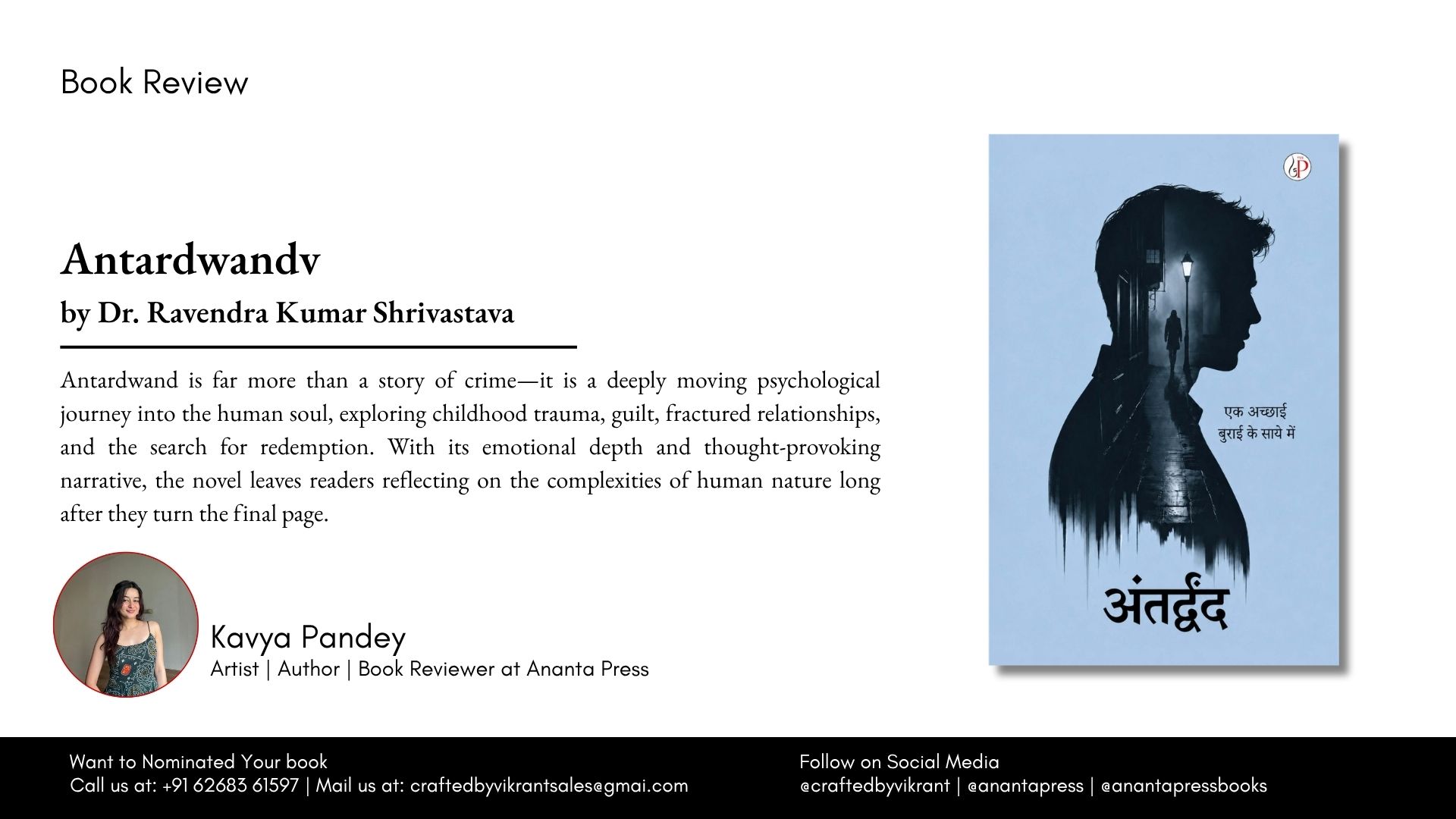
Dr. Ravendra Kumar Shrivastava’s Antardwand is a profound psychological novel that goes far beyond the boundaries of a conventional crime story. Rather than focusing on the act of murder itself, the novel explores the emotional and psychological journey that transforms an innocent child into a man condemned to death. It is a moving narrative about trauma, silence, guilt, loneliness, love, and the invisible battles that shape human lives. Rich in introspection and emotional depth, the novel compels readers to question whether people should be judged solely by their actions or by the experiences that created them. The story revolves around Vijay, a man awaiting execution in a prison cell after being sentenced to death for murder. The novel opens on the final night before his execution, where silence, moonlight, and solitude become symbolic companions to his final journey. Instead of fearing death, Vijay turns inward, revisiting the memories that defined his existence. This unique narrative structure transforms the novel into a deeply reflective exploration of memory and human psychology. Every chapter uncovers another layer of his life, gradually revealing how a series of emotional wounds led him to the irreversible crime that changed everything. One of the novel’s greatest strengths lies in its portrayal of childhood trauma. The defining moment of Vijay’s life occurs when, as a young boy, he is publicly beaten by a neighbor while his mother remains silent. That silence becomes far more painful than the physical violence itself. The author brilliantly demonstrates how emotional neglect can leave scars deeper than physical abuse. Rather than presenting this event merely as a childhood memory, Dr. Shrivastava portrays it as the psychological foundation upon which Vijay’s entire personality is built. It is this silent abandonment that shapes his distrust, emotional isolation, and inability to form healthy relationships throughout his life. The psychological realism in the novel is remarkable. Vijay is neither portrayed as a hero nor as a villain. Instead, he is presented as an ordinary human being carrying extraordinary emotional burdens. Even after becoming wealthy and successful through relentless hard work, he remains emotionally empty. His professional achievements fail to heal the wounds of his childhood. This contrast between external success and internal suffering forms one of the novel’s most compelling themes. It reminds readers that financial prosperity can never substitute for emotional security, love, and acceptance. The author masterfully illustrates how unresolved pain influences every aspect of Vijay’s life. His complicated relationship with his mother remains one of the novel’s emotional centers. Although he distances himself from her physically, he continues to support her financially without revealing his identity. This paradox beautifully captures the complexity of human emotions, where love and resentment coexist within the same heart. Rather than simplifying these emotions, the novel embraces their contradictions, making its characters feel deeply authentic. Another powerful aspect of Antardwand is its exploration of guilt. Vijay’s remorse is not limited to the murder that sends him to prison. He carries guilt over numerous incidents throughout his life—a puppy’s accidental death, his inability to help a helpless woman at a railway station, and several moments where his compassion failed to translate into action. These seemingly small incidents reveal that beneath his hardened exterior remains an intensely sensitive individual. The novel argues that true guilt often arises not only from what we intentionally do but also from the kindness we fail to offer when it matters most. The writing style deserves special appreciation. Dr. Shrivastava employs calm, reflective, and poetic language that perfectly complements the novel’s psychological depth. Descriptions of the prison cell, moonlight filtering through iron bars, empty corridors, and silent nights create a haunting atmosphere that mirrors Vijay’s emotional state. Rather than relying on dramatic twists or fast-paced action, the novel builds emotional intensity through introspection and memory. This literary approach allows readers to experience Vijay’s thoughts rather than merely observe his actions. The novel also raises important philosophical and moral questions. It does not justify violence or attempt to excuse murder. Instead, it asks readers to examine the invisible chain of emotional events that often precedes destructive actions. Dr. Shrivastava challenges society to look beyond legal definitions of crime and consider the psychological realities that shape human behavior. While the law punishes the final act, the novel encourages readers to reflect on the years of neglect, loneliness, rejection, and emotional suffering that often remain unnoticed. One of the book’s greatest achievements is its nuanced portrayal of human nature. Vijay cannot be categorized simply as good or evil. He is compassionate yet distrustful, generous yet emotionally distant, successful yet deeply lonely. This complexity reflects real life, where people are rarely defined by a single characteristic. The author reminds us that every individual carries invisible struggles, unresolved memories, and emotional contradictions that influence their choices. Such multidimensional characterization makes Vijay one of the most believable protagonists in contemporary psychological fiction. The pacing of the novel is deliberate and contemplative. Readers expecting a traditional thriller may initially find it slow, but those willing to immerse themselves in its emotional landscape will discover an exceptionally rewarding experience. Each chapter gradually uncovers another piece of Vijay’s past, allowing readers to understand—not necessarily forgive—the choices that ultimately define his fate. The gradual revelation of memories creates emotional suspense that is more powerful than conventional plot-driven tension. Another notable strength is the novel’s emotional honesty. The author avoids melodrama and sensationalism, choosing instead to present suffering with dignity and restraint. Moments of pain are neither exaggerated nor minimized. Whether describing childhood loneliness, adult isolation, or the quiet acceptance of impending death, the narrative remains sincere and deeply humane. This emotional authenticity enables readers to connect with Vijay despite his tragic mistakes. The symbolism throughout the novel is equally impressive. The recurring image of moonlight entering the prison cell through iron bars reflects hope imprisoned by circumstances, while the silent prison itself becomes a metaphor for the emotional prisons people construct within themselves. Memory functions almost like another character, guiding Vijay through the final examination
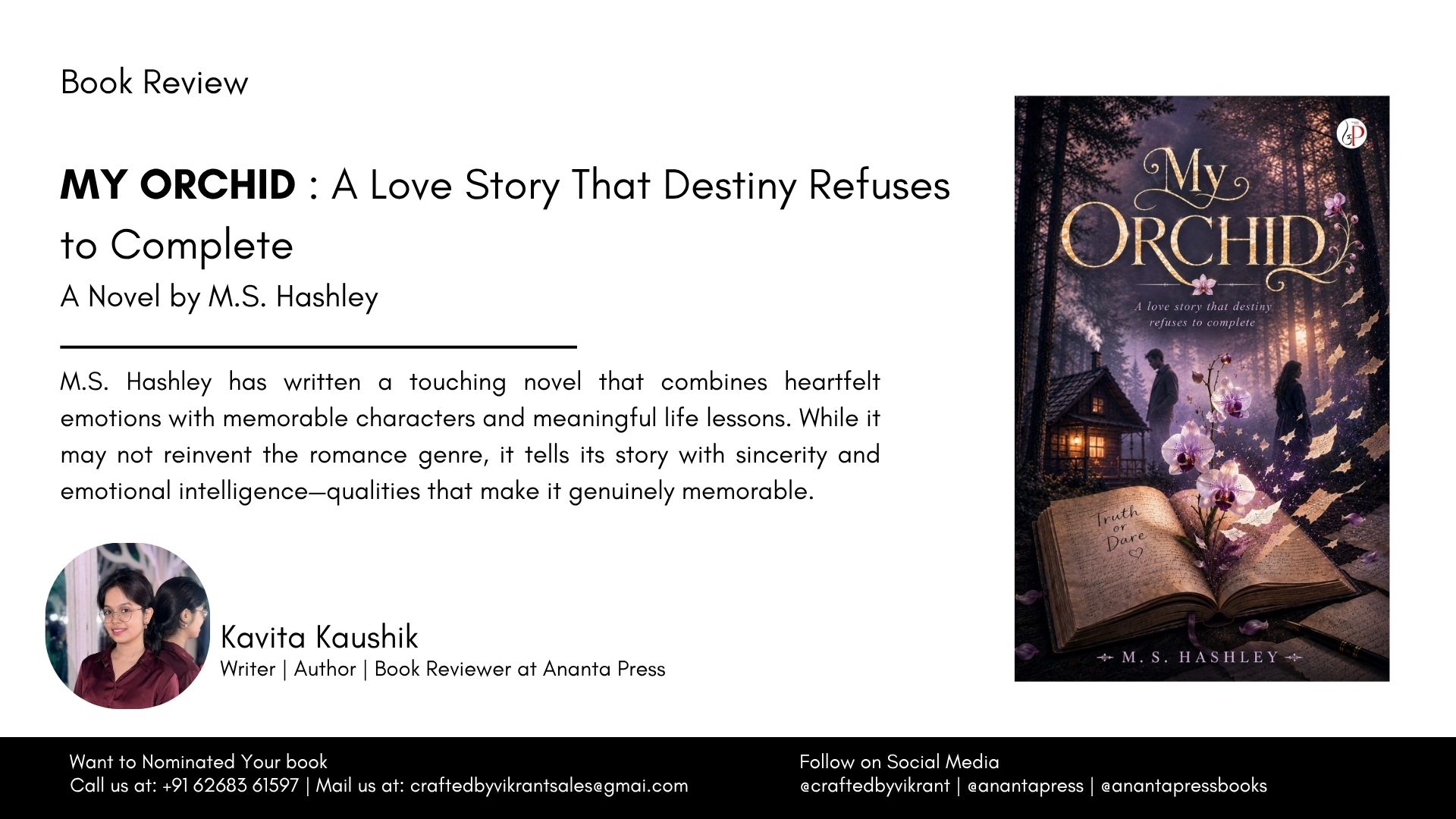
My Orchid by M.S. Hashley – A Heartbreaking Love Story That Stays With You Long After the Last Page Author: M.S. HashleyGenre: Contemporary Romance | Emotional Fiction | Coming-of-AgePublisher: Ananta PressRating: ★★★★☆ (4.8/5) There are books that entertain, books that inspire, and then there are books that quietly settle into your heart. My Orchid by M.S. Hashley belongs to the third category. It is an emotional journey that explores love, sacrifice, friendship, guilt, healing, and the painful reality that not every love story is destined for a happy ending. From its haunting title to its beautifully designed cover featuring orchids blooming from an open diary, the novel promises a deeply emotional reading experience—and it delivers. The story doesn’t rely on grand romantic gestures or dramatic twists alone. Instead, it builds its emotional impact through meaningful conversations, realistic relationships, and characters who feel remarkably human. A Story That Begins With an Impossible Choice The novel opens with a powerful dilemma. The protagonist, Hardhik, finds himself torn between two people he loves dearly—his uncle Rohan (Ro), who raised him with unconditional love, and Orchid, the woman who taught him what true love really means. That emotional conflict immediately captures the reader’s attention and sets the tone for everything that follows. Rather than rushing into romance, the novel patiently introduces Hardhik’s life, his close relationship with Ro, and the emotional baggage he carries after a failed relationship. What initially appears to be a simple breakup gradually transforms into something much deeper—a journey toward understanding the true meaning of love. More Than Just Romance One of the greatest strengths of My Orchid is that it never limits itself to being only a love story. At its core, the novel asks several difficult questions: Instead of providing easy answers, the author lets readers discover them alongside the characters. This philosophical approach gives the novel surprising emotional depth. Characters That Feel Real Hardhik Hardhik begins the story like many young adults—emotional, impulsive, stubborn, and convinced he understands love. His breakup with Sana initially appears to be the central conflict, but as Ro begins sharing stories from his own past, Hardhik slowly realizes that he has confused attachment with genuine love. Watching his emotional maturity develop throughout the novel is one of the book’s most satisfying aspects. Ro – The Heart of the Novel If there is one character readers will remember long after finishing the book, it is undoubtedly Rohan, affectionately called Ro. He isn’t presented as a perfect man. He carries guilt. He has made terrible mistakes. He has loved deeply. He has lost almost everything. Yet he continues to live with compassion. Ro’s conversations are filled with wisdom that never feels preachy. His reflections on relationships, forgiveness, and sacrifice become the emotional backbone of the story. The chapters exploring his relationship with Lavanya are among the strongest in the novel. Orchid Interestingly, Orchid takes time to enter the narrative fully, yet her presence is felt throughout the book. She symbolizes hope, unconditional affection, quiet strength, and ultimately sacrifice. Without revealing major spoilers, it is safe to say that Orchid becomes the emotional soul of the novel. Her impact extends far beyond the pages in which she appears. Beautiful Themes 1. Love Beyond Attraction Unlike many modern romances that focus heavily on physical attraction, My Orchid emphasizes emotional compatibility, mutual respect, and understanding. The novel repeatedly reminds readers that genuine love changes people—not because someone demands it, but because they willingly choose to become better. 2. Healing Through Relationships The relationship between Hardhik and Ro deserves special mention. Instead of a traditional father-son dynamic, their bond resembles two close friends separated only by age. Their rooftop conversations, gaming nights, life lessons, and emotional honesty create some of the novel’s most memorable moments. 3. Regret and Redemption Ro’s past mistakes never disappear. Instead of pretending they never happened, the novel explores how people live with guilt and continue moving forward. This realistic portrayal makes the story emotionally authentic. 4. Dreams Matter Another refreshing aspect is the novel’s encouragement to pursue one’s passion. Hardhik dreams of becoming an author despite others questioning his ambition. The message is subtle but meaningful: Never abandon your dreams simply because others fail to understand them. The Mystery Element Around the middle of the novel, the story introduces an intriguing mystery involving a secluded cabin, an anonymous diary, and a series of puzzles that gradually reveal unexpected truths. This narrative shift adds freshness to the story. Rather than remaining a straightforward romance, the novel becomes a blend of emotional fiction, mystery, and psychological exploration. The “Truth or Dare” diary sequences are particularly engaging and keep readers turning pages. Writing Style M.S. Hashley’s writing is conversational and accessible. The language is simple enough for casual readers while still delivering emotionally powerful scenes. The dialogue feels natural. The emotional moments are allowed to breathe instead of becoming overly melodramatic. Many conversations feel like genuine discussions between people rather than scripted scenes. This realism becomes one of the book’s biggest strengths. Emotional Impact Without revealing the ending, it is fair to say that My Orchid is not afraid to break readers’ hearts. The final chapters are filled with sacrifice, acceptance, grief, and hope. Rather than chasing an artificially happy ending, the novel chooses emotional honesty. The ending leaves readers reflecting on the people they love and the promises they make. It reminds us that sometimes love is measured not by what we receive but by what we willingly give. The final pages linger long after the book is closed. What Works Well ✔ Emotionally mature storytelling ✔ Strong character development ✔ Memorable dialogue ✔ Excellent balance of romance and life lessons ✔ Thought-provoking themes ✔ Beautiful friendship dynamics ✔ Unique mystery subplot ✔ Powerful ending Minor Drawbacks The novel progresses at a relaxed pace during the early chapters. Readers looking for fast-paced romance may initially find it slower than expected. However, the gradual storytelling ultimately pays off because it allows emotional connections to develop
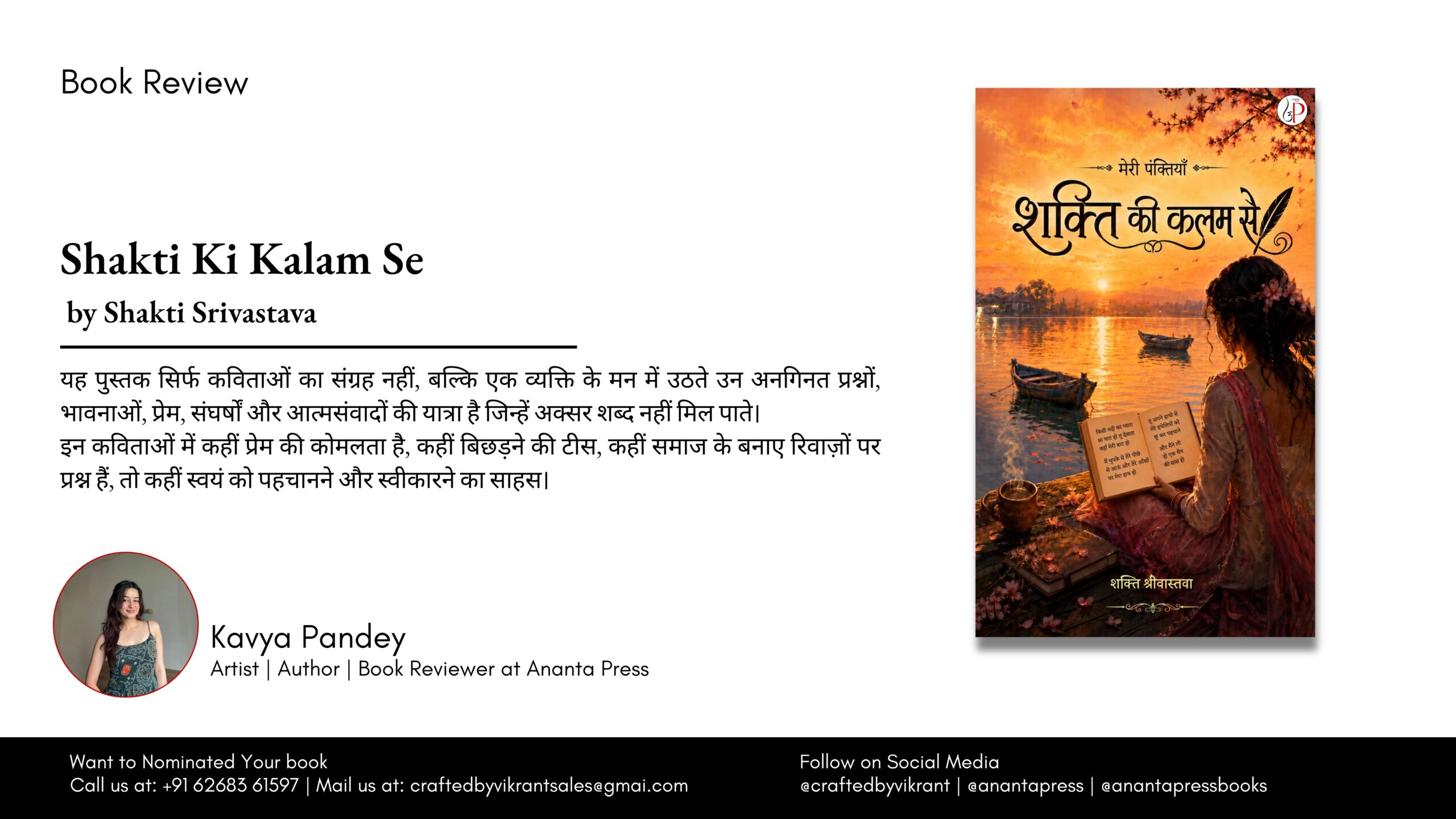
Shakti Ki Kalam Se: A Poetic Journey Through Love, Loss, Strength, and Self-Discovery
Poetry has always been one of the most intimate forms of literature. It asks for no elaborate plot or dramatic twists; instead, it speaks directly to the heart. Every poem is a conversation between the writer and the reader, often revealing emotions that ordinary language struggles to express. Shakti Ki Kalam Se by Shakti Srivastava is one such collection that transforms personal emotions into universal experiences. This debut poetry collection is more than a compilation of verses—it is an emotional diary filled with love, heartbreak, courage, self-reflection, memories, hope, and the unwavering spirit of womanhood. The author invites readers into her inner world with remarkable honesty, making each poem feel like a heartfelt conversation. Poetry Born from Real Emotions One of the strongest qualities of Shakti Ki Kalam Se is its authenticity. The poems do not attempt to impress with complicated metaphors or ornate literary language. Instead, they rely on simplicity, emotional clarity, and sincerity. The opening pages make it clear that these poems emerge from lived experiences, unanswered questions, relationships, inner conflicts, and moments of personal transformation. Rather than presenting polished perfection, the poet embraces vulnerability, allowing readers to witness both emotional wounds and healing. This honesty makes the collection immediately relatable. Whether one has experienced love, separation, disappointment, hope, or personal growth, there is something familiar within these pages. Love Beyond Romance Love is one of the central themes throughout the collection, but it is presented in multiple dimensions. Many poems capture the beauty of companionship, longing, remembrance, and emotional attachment. Yet the author never romanticizes love blindly. She also explores betrayal, silence, emotional distance, and the painful realization that not every relationship reaches its desired destination. Poems reflecting separation are filled with quiet dignity rather than bitterness. The poet acknowledges pain but refuses to let heartbreak define her identity. Instead, every emotional setback becomes another step toward self-understanding. This emotional maturity gives the collection depth. Love here is not merely about togetherness—it is also about learning, acceptance, and moving forward. The Voice of a Woman Perhaps the most powerful aspect of Shakti Ki Kalam Se is its fearless portrayal of women’s experiences. Several poems challenge social expectations, gender stereotypes, and the unequal standards imposed upon women. Rather than presenting anger alone, the poet combines compassion with courage. She questions traditions that suppress individuality while encouraging women to recognize their own worth. The poem “Main Shakti Hoon” stands out as a declaration of resilience. It transforms feminine strength into a symbol of justice, self-respect, and inner power. Likewise, poems addressing social customs encourage readers to rethink long-accepted beliefs. Importantly, these poems are not written only for women. They invite every reader to reflect upon empathy, equality, and human dignity. Self-Reflection as a Literary Strength Another recurring theme is introspection. Instead of blaming the world for every hardship, the poet frequently turns inward. Many poems encourage readers to ask difficult questions of themselves before questioning others. This reflective quality distinguishes the collection from many contemporary poetry books that focus solely on emotional expression. Here, emotions become opportunities for growth. The poet reminds readers that mistakes teach valuable lessons, silence often carries hidden wisdom, and personal transformation begins with honest self-examination. Such reflections make the collection suitable not only for poetry lovers but also for readers interested in personal development. Simplicity That Connects Modern poetry often oscillates between excessive complexity and oversimplification. Shakti Ki Kalam Se finds a comfortable balance. The language remains accessible throughout the collection, allowing readers from different backgrounds to appreciate the poems without feeling intimidated. Everyday vocabulary combines naturally with emotional depth. This simplicity does not reduce the literary value of the work. On the contrary, it enhances emotional impact. Readers are less occupied with decoding symbolism and more engaged in experiencing the feelings behind each poem. The conversational tone also creates a sense of intimacy, almost as if the poet is speaking directly to each individual reader. Themes That Touch Every Stage of Life Although love and womanhood occupy prominent places, the collection covers a remarkably broad emotional landscape. Readers encounter poems about: This thematic diversity prevents the collection from becoming repetitive. Every few pages introduce a different emotional atmosphere, keeping the reading experience fresh while maintaining thematic unity. Emotional Rhythm Over Technical Perfection From a literary perspective, this collection prioritizes emotional truth over formal experimentation. The poems generally follow free-flowing structures rather than rigid poetic forms. Readers looking for highly technical poetic devices may find the style straightforward. However, the emotional rhythm often compensates for the absence of elaborate literary ornamentation. The strength of these poems lies not in linguistic complexity but in emotional resonance. Many lines linger in the reader’s mind because they express familiar feelings in honest language. A Collection That Invites Reflection One of the remarkable achievements of Shakti Ki Kalam Se is that it encourages readers to pause between poems. Several pieces naturally inspire introspection. Readers may find themselves thinking about their own relationships, childhood memories, personal struggles, or unrealized dreams before moving on to the next poem. This reflective reading experience makes the book ideal for slow reading rather than finishing in a single sitting. Keeping the book nearby and revisiting selected poems from time to time may actually enhance its impact. The Author’s Authentic Literary Voice For a debut collection, Shakti Srivastava demonstrates impressive confidence in her own voice. Rather than imitating fashionable poetic trends, she writes from personal conviction. Her poems emerge from observation, lived experience, and emotional honesty. The author’s educational background in Hindi literature is evident, yet she avoids excessive intellectualization. Instead, she allows emotions to remain at the center of every composition. This authenticity gives readers confidence that future works from the author may explore even greater literary depth while preserving the emotional sincerity that defines this first collection. Who Should Read This Book? This poetry collection is especially recommended for: Final Verdict Shakti Ki Kalam Se is not a book that demands attention through dramatic literary experimentation. Instead, it quietly earns the
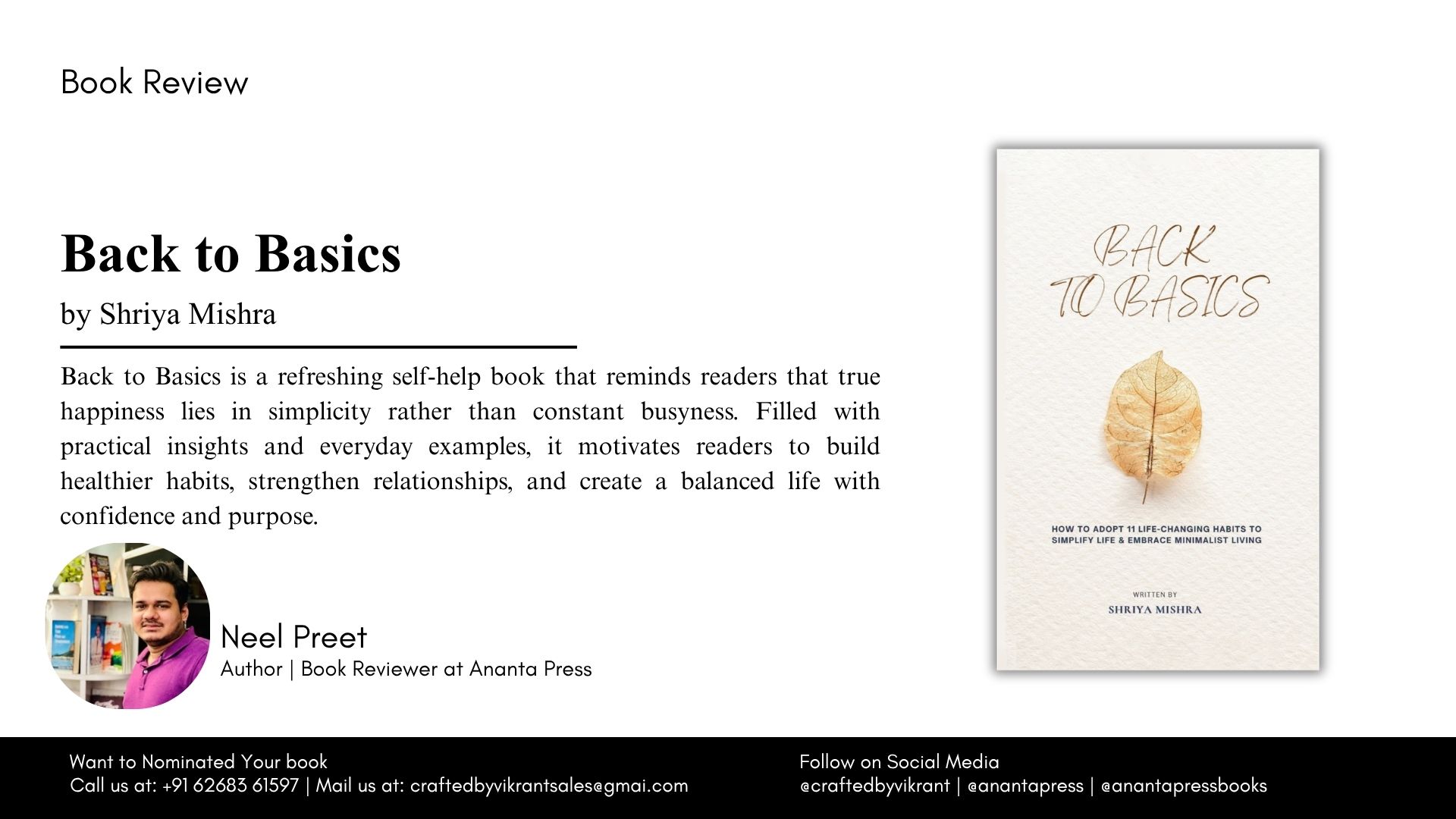
Book Review: Back to Basics. by Shriya Mishra
In an age where people are constantly chasing bigger careers, faster lifestyles, and endless digital engagement, Back to Basics arrives as a thoughtful invitation to pause and reconsider what truly matters. Rather than encouraging readers to pursue more, the book gently argues that a meaningful life is often built by appreciating less—less distraction, less comparison, and less unnecessary complexity. It is a practical guide for anyone who wishes to replace busyness with balance and discover fulfillment in everyday living. What immediately distinguishes this book is its highly practical approach. Instead of presenting abstract philosophies or idealistic advice, the author breaks each topic into clear, achievable actions that readers can begin implementing immediately. Every chapter follows a structured format, introducing a common modern-day challenge before offering realistic solutions, simple exercises, and concise learning summaries. This makes the book feel less like a motivational lecture and more like a friendly mentor offering sensible guidance. One of the central ideas running throughout the book is that modern life often pulls people away from what is genuinely important. Whether it is excessive screen time, unhealthy work habits, impulsive spending, or the constant pressure to keep up with others, the author demonstrates how these habits quietly erode peace of mind. Rather than asking readers to abandon technology or ambition altogether, Back to Basics advocates balance—using modern conveniences wisely while protecting time for relationships, personal growth, and inner well-being. The chapter on balancing family and professional responsibilities is among the strongest in the book. Instead of treating work-life balance as an impossible ideal, the author provides realistic strategies for making family a consistent priority. Suggestions such as scheduling quality family time, setting healthy workplace boundaries, and giving loved ones undivided attention may appear simple, but they address a problem that many professionals face every day. The message is clear: career success becomes far less meaningful if achieved at the expense of personal relationships. Another particularly relevant section explores the growing influence of social media. The book explains how constant exposure to carefully curated online lives often creates unrealistic expectations and unnecessary dissatisfaction. Rather than encouraging readers to disconnect completely, it introduces the concept of intentional technology use. Practical suggestions such as decluttering social media feeds, limiting notifications, creating daily offline periods, and replacing endless scrolling with meaningful activities make this chapter especially useful for today’s readers. The discussion on developing a reading habit is equally compelling. The author points out how digital distractions have weakened our ability to concentrate and encourages readers to rediscover the joy of books through small, manageable steps. Beginning with just ten minutes of daily reading removes the pressure often associated with building new habits. More importantly, reading is presented not as another productivity tool but as a way to cultivate patience, imagination, and deeper thinking. A refreshing aspect of Back to Basics is its perspective on personal development. Unlike many self-improvement books that promote expensive courses or dramatic lifestyle changes, this book emphasizes affordable, everyday learning. Gardening, cooking, journaling, repairing household items, learning creative skills, and developing practical hobbies are presented as meaningful investments that strengthen both confidence and independence. This grounded approach makes personal growth accessible to readers regardless of their financial circumstances. The chapters on healthy eating and mindful travel further reinforce the book’s philosophy. Home-cooked meals are portrayed not only as healthier and more economical but also as opportunities to strengthen family bonds and create lasting memories. Similarly, travel is redefined as a chance to learn, observe, and connect with local cultures instead of simply collecting photographs for social media. The emphasis on slowing down and appreciating ordinary experiences adds depth to subjects that are often treated superficially. Perhaps the most emotionally engaging parts of the book are those that encourage readers to value experiences over possessions. The author reminds us that lasting happiness rarely comes from acquiring more things; instead, meaningful conversations, shared meals, simple celebrations, and everyday moments with loved ones leave a far deeper impact. Ideas such as creating a “Memory Fund” and replacing impulse purchases with shared experiences beautifully capture the book’s central philosophy of intentional living. The final chapters addressing comparison and contentment provide a fitting conclusion. The author explains that comparison quietly steals satisfaction by shifting attention away from personal progress toward other people’s achievements. Rather than promoting complacency, the book encourages readers to measure success according to their own values while practicing gratitude and celebrating small improvements. This balanced perspective makes the advice feel encouraging rather than idealistic. The writing style deserves special appreciation. The language remains clear, conversational, and easy to understand throughout. The chapters are concise, well-organized, and filled with practical checklists, reflection exercises, and action plans that readers can revisit whenever needed. The straightforward presentation makes the book suitable for readers of different ages and backgrounds, especially those new to personal development. Like most books in this genre, Back to Basics is not entirely without limitations. Readers familiar with self-help literature may recognize themes such as mindfulness, habit formation, gratitude, and digital minimalism. While these concepts are not new, the author’s strength lies in presenting them together in a coherent, practical, and highly approachable manner. Additionally, the inclusion of more detailed personal stories or real-life case studies could have made some lessons even more engaging and emotionally memorable. Despite these minor observations, Back to Basics succeeds remarkably well in fulfilling its purpose. It avoids unrealistic promises of overnight transformation and instead focuses on gradual, sustainable improvement through consistent daily habits. The advice feels practical because it respects the realities of modern life and recognizes that lasting change begins with small, repeatable actions rather than dramatic lifestyle overhauls. Overall, Back to Basics is a warm, practical, and inspiring guide for anyone seeking a calmer, healthier, and more intentional way of living. It reminds readers that genuine happiness is rarely hidden in extraordinary achievements but is often found in ordinary moments shared with family, meaningful conversations, healthy routines, continuous learning, and gratitude for the present. In a world that
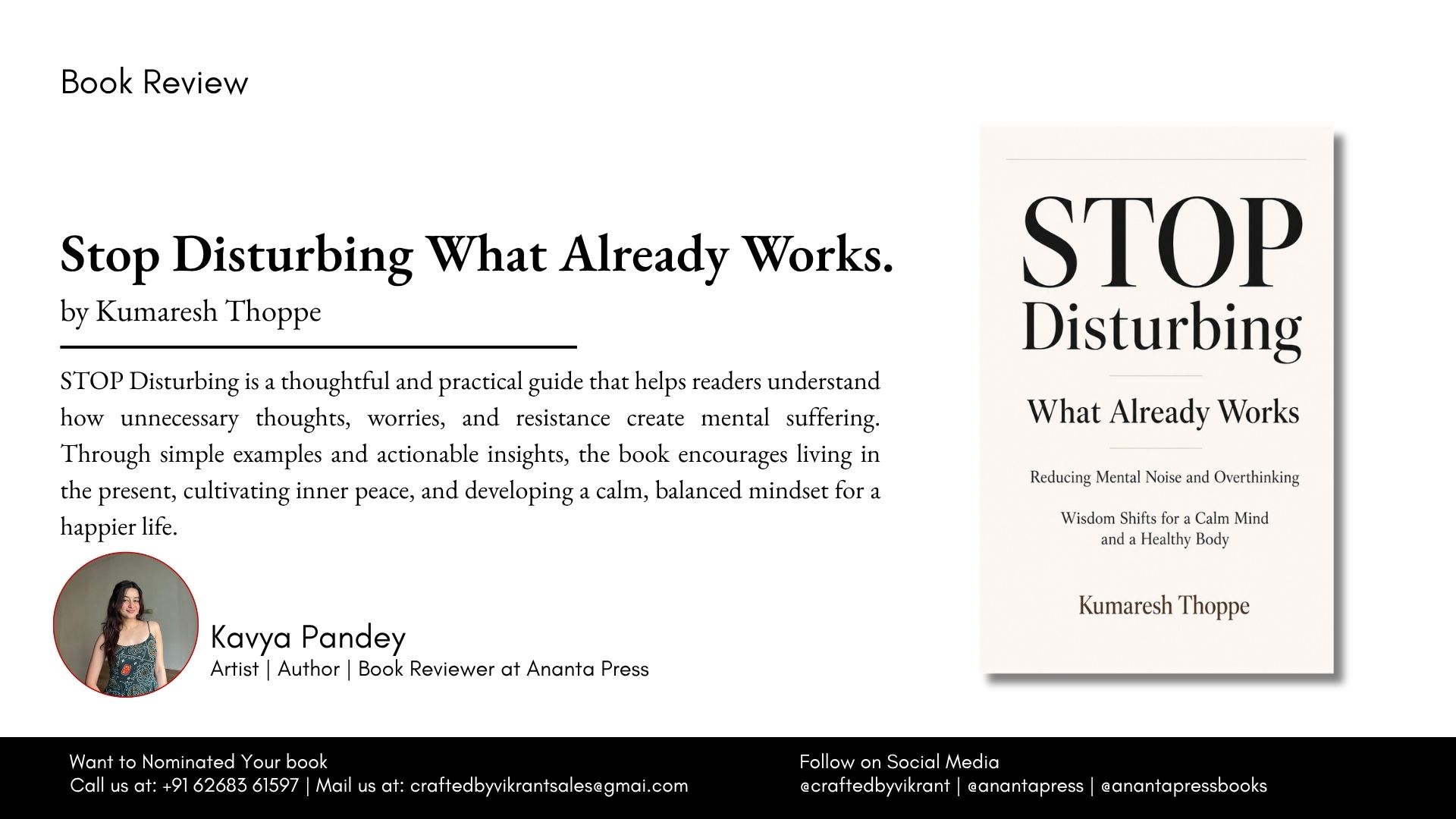
Book Review: Stop Disturbing What Already Works. by Kumaresh Thoppe
In today’s fast-paced world, where stress, anxiety, overthinking, and emotional exhaustion have become a part of everyday life, Stop Disturbing What Already Works. arrives as a calm and compassionate guide that gently reminds readers that peace is not something to be found outside—it already exists within us. Rather than offering complicated theories or motivational slogans, the book presents timeless wisdom in a remarkably simple and practical manner. It encourages readers to observe their thoughts instead of becoming trapped by them and demonstrates that much of human suffering is created not by external events but by the way the mind interprets those events. One of the greatest strengths of Stop Disturbing What Already Works. is its simplicity. The author does not overwhelm readers with psychological jargon or philosophical complexity. Every chapter is written in an easy-to-understand style, supported by relatable examples from everyday life. Whether discussing anxiety, fear, happiness, gratitude, relationships, or mindfulness, the explanations remain clear, practical, and deeply reflective. This makes the book suitable for readers of all ages and backgrounds, including those who may be exploring personal growth or mindfulness for the first time. A central message throughout the book is that thoughts are not facts. The author repeatedly explains that people often mistake passing thoughts for permanent truths, allowing unnecessary worries and assumptions to dominate their lives. By learning to pause, observe, and avoid identifying with every thought that arises, readers can experience greater emotional freedom. This insight is presented with refreshing clarity, making complex ideas feel both understandable and immediately applicable to daily life. Another remarkable aspect of the book is its emphasis on living in the present moment. Modern life encourages constant movement between past regrets and future anxieties, leaving very little attention for the present. Stop Disturbing What Already Works. reminds readers that the only moment in which life truly exists is now. The author explains that while the past serves for learning and the future for planning, real living happens only in the present. This simple yet profound reminder encourages readers to redirect their attention toward today’s actions rather than tomorrow’s uncertainties. The book also explores how imagination often creates more suffering than reality itself. Through practical examples, the author demonstrates how the human mind tends to fill gaps in information with fear-based assumptions. Many readers will recognize themselves in these scenarios, making the lessons feel highly personal and relatable. Instead of encouraging blind optimism, the book advocates responding only to verified reality rather than imagined possibilities. This approach helps reduce unnecessary anxiety while promoting calm and rational thinking. One particularly impressive feature of the book is its distinction between pain and suffering. The author explains that pain is an unavoidable part of life, but suffering begins when individuals identify too strongly with their emotions, possessions, or circumstances. By creating a small psychological distance between ourselves and our thoughts or emotions, we become capable of responding wisely instead of reacting impulsively. This subtle shift in perspective has the potential to transform everyday emotional experiences. The discussion on acceptance is equally powerful. Rather than suggesting that readers suppress unpleasant emotions or avoid difficult situations, the book teaches acceptance as a form of emotional intelligence. Joy and sadness are both temporary experiences, and resistance only prolongs suffering. The author presents acceptance not as weakness but as the beginning of inner stability. This balanced approach avoids unrealistic positivity while encouraging emotional maturity and resilience. Another major strength of Stop Disturbing What Already Works. is its focus on the hidden factors that quietly influence mental well-being. The author explains how our environment, social interactions, media consumption, physical surroundings, and daily habits continuously shape our thoughts without our awareness. This section is especially relevant in today’s digital age, where constant exposure to negativity, social comparison, and information overload often leaves people emotionally drained. The practical suggestions for creating healthier environments are realistic, achievable, and highly relevant. The chapters discussing clutter, meaningful engagement, and presence deserve special appreciation. Rather than promoting endless productivity, the book encourages readers to simplify their surroundings, spend time in nature, engage in creative hobbies, and cultivate genuine human relationships. The message is clear: a peaceful mind grows naturally when given meaningful experiences instead of constant stimulation. These chapters feel both refreshing and comforting, reminding readers that happiness often comes from ordinary moments rather than extraordinary achievements. The author’s treatment of gratitude is another highlight. Instead of presenting gratitude as a motivational exercise, it is described as a way of seeing reality more clearly. The book encourages readers to recognize the countless aspects of life that already function well, shifting attention away from the endless pursuit of what is missing. This perspective naturally reduces comparison, dissatisfaction, and mental resistance while promoting contentment and emotional balance. Equally inspiring is the discussion on ambition and contentment. The author wisely argues that being content does not mean abandoning growth. Instead, true progress comes from appreciating present blessings while working calmly toward future goals. This balanced philosophy avoids both complacency and unhealthy ambition, offering readers a healthier relationship with success and personal development. Towards its later chapters, the book introduces concepts such as faith, responsibility, values, and Vipassana meditation. These discussions broaden the scope of the book beyond stress management, encouraging readers to build lives rooted in integrity, awareness, and conscious action. Importantly, Vipassana is introduced not as a religious practice but as a practical method for understanding the mind. This inclusive presentation makes the teachings accessible regardless of personal beliefs. Structurally, the book is exceptionally reader-friendly. Each chapter follows a consistent format, concluding with reflections, simple daily practices, and memorable signature quotes. This repetition reinforces the lessons without feeling repetitive. The short chapters also allow readers to absorb one idea at a time, making the book ideal for daily reading rather than hurried completion. Perhaps the greatest achievement of Stop Disturbing What Already Works. is its gentle tone. The author never lectures, criticizes, or promises instant transformation. Instead, every page quietly invites readers to observe themselves with
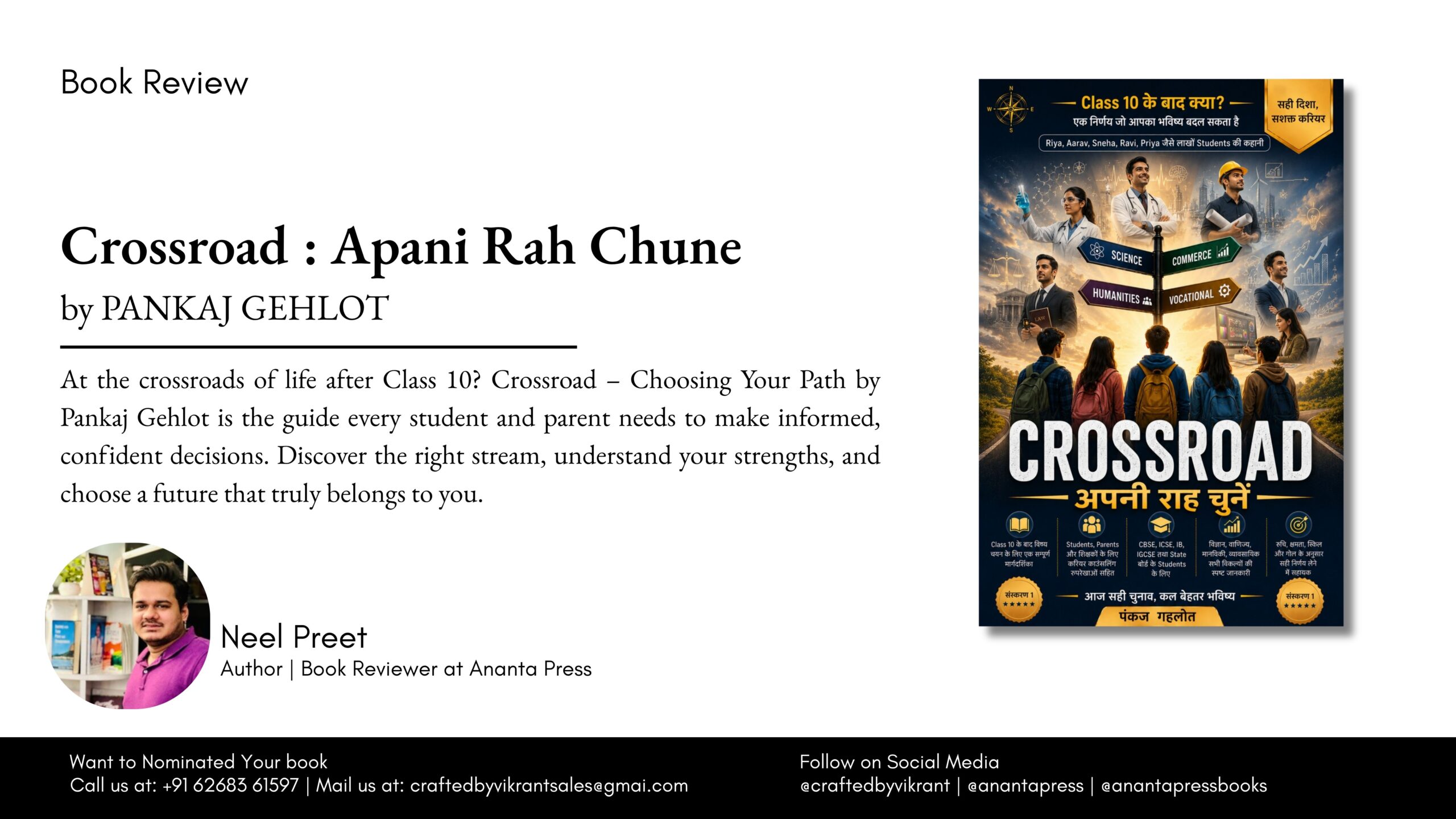
Crossroad – Choosing Your Path: A Much-Needed Roadmap for Every Student and Parent by Pankaj Gehlot
Choosing a stream after Class 10 is often considered one of the first major decisions in a student’s life. Yet, surprisingly, millions of students make this decision with limited information, incomplete self-awareness, and enormous pressure from family, peers, and society. It is at this exact point of confusion and uncertainty that Crossroad – Choosing Your Path by Pankaj Gehlot becomes not merely a book but an essential companion. At first glance, one might assume that this is another career guidance book explaining the differences between Science, Commerce, and Humanities. However, the book quickly proves itself to be much more than that. It is a deeply thoughtful exploration of identity, decision-making, self-discovery, and the emotional realities surrounding career choices. The author describes the book as a comprehensive, story-driven guide for students and families navigating one of the most emotional and significant decisions in Indian education—the selection of streams after Class 10. What immediately distinguishes this book from conventional career guides is its human approach. Instead of beginning with statistics, admission criteria, or lists of career options, the author starts with something far more relatable—a confused student. The story of Riya forms the emotional foundation of the book. She is intelligent, talented, and curious. Yet she finds herself torn between multiple interests and overwhelmed by conflicting advice. Her parents encourage Science. Teachers see potential in Commerce. Friends are moving toward Humanities. Everyone appears confident about what is best for her, except Riya herself. This situation feels familiar because it represents the reality of countless students. Almost every teenager has experienced the uncomfortable feeling of standing at an educational crossroads while hearing numerous opinions but struggling to understand their own. One of the book’s greatest strengths is its ability to normalize confusion. Rather than portraying uncertainty as weakness, it presents it as a natural part of self-discovery. The author repeatedly reminds readers that confusion often signals that a student genuinely cares about making the right decision. Another remarkable feature of the book is its emphasis on self-awareness. Modern education systems frequently encourage students to chase marks and achievements while giving little attention to understanding themselves. Students know formulas, definitions, and examination patterns but often know very little about their interests, strengths, motivations, and long-term aspirations. Crossroad – Choosing Your Path attempts to fill this gap. The book encourages readers to ask meaningful questions: These questions may seem simple, but they have tremendous power. They shift the focus from external expectations to internal clarity. Another aspect that deserves appreciation is the balanced treatment of all academic streams. In many societies, especially in South Asia, Science is often considered the “top” stream, Commerce is viewed as practical, and Humanities frequently suffers from unfair stereotypes. Such perceptions create unnecessary hierarchy and pressure. The author takes a refreshing approach by presenting each stream honestly and objectively. Science is not glorified. Commerce is not oversimplified. Humanities is not underestimated. Vocational education is not ignored. Instead, each stream is presented as a legitimate pathway that can lead to meaningful and successful careers when aligned with a student’s abilities, interests, and goals. This perspective is incredibly valuable because students do not need more pressure; they need more clarity. The inclusion of career pathways further enhances the practical usefulness of the book. Many students and parents make decisions based on incomplete information. They often assume that one stream automatically guarantees success while another limits opportunities. The author dismantles these assumptions by explaining how various educational choices can lead to diverse professional destinations. By broadening readers’ understanding of possibilities, the book empowers them to make informed choices rather than decisions driven by fear. Equally impressive is the author’s treatment of parents. Most career guidance books focus entirely on students. This book recognizes that parents are equally important participants in the decision-making process. Parents genuinely want their children to succeed. Their advice often comes from love and concern. However, love sometimes becomes pressure. The book addresses this issue with sensitivity rather than criticism. Parents are encouraged to ask questions, listen patiently, and understand their children’s individuality. They are reminded that support does not necessarily mean deciding on behalf of their children. This message is particularly important because many educational conflicts arise not from lack of affection but from lack of communication. The writing style of the book is another significant strength. Pankaj Gehlot writes with remarkable simplicity and empathy. The language is accessible without being simplistic. The explanations are practical without becoming mechanical. The emotional sections feel genuine and relatable. Throughout the book, the reader senses that the author is not speaking as a distant expert delivering instructions. Instead, he appears as a mentor who has listened to students, understood their struggles, and sincerely wants to guide them toward clarity. The storytelling approach also makes the content engaging. Educational guidance books sometimes become overwhelming because they are heavily packed with information. This book avoids that problem by integrating stories, examples, and reflections that keep readers emotionally invested. Another noteworthy contribution of the book is its advocacy for professional career counselling. Many families still believe that students should independently figure out their educational paths. However, the modern world offers countless opportunities and increasingly complex career landscapes. Expecting teenagers to navigate these choices entirely alone is unrealistic. The author strongly argues that structured guidance and career counselling should not be considered luxuries available only to a few. Instead, they should be recognized as essential support systems that help students make informed decisions. This argument deserves serious attention from educators and policymakers alike. Perhaps the most powerful message of the entire book is that subject selection is not about closing doors; it is about opening the right ones. This simple idea transforms the entire conversation around education. Students often approach stream selection with fear. They worry that one wrong decision will permanently destroy their future. Such thinking creates anxiety and leads many students to choose paths that do not align with their personalities. The book replaces fear with perspective. It reminds readers that educational choices
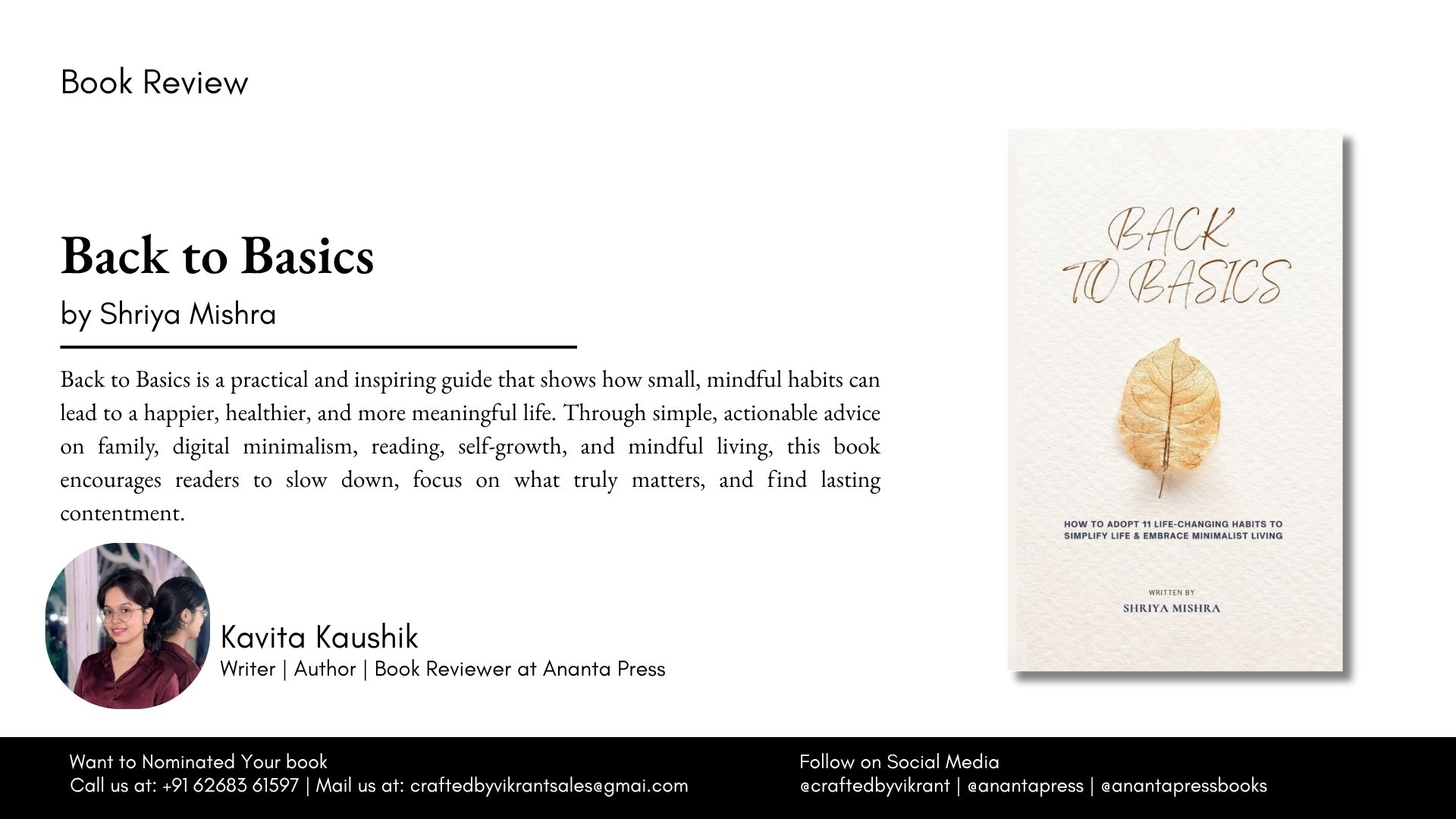
Book Review: Back to Basics – A Practical Guide to Living a Simpler, Happier, and More Meaningful Life by Shriya Mishra
In today’s fast-moving world, where success is often measured by social media followers, expensive lifestyles, and endless productivity, Back to Basics offers a refreshing reminder that true happiness is rarely found in excess. Instead, it lies in simplicity, meaningful relationships, mindful habits, and intentional living. This book is not merely another self-help guide filled with motivational quotes; rather, it is a practical handbook that encourages readers to slow down, rethink their priorities, and reconnect with the essentials of life. One of the greatest strengths of Back to Basics is its simplicity. The author avoids complicated theories or psychological jargon and instead presents relatable examples and step-by-step actions that readers can immediately implement. Every chapter ends with practical lessons and actionable takeaways, making the book highly useful rather than merely inspirational. Instead of telling readers what they should do, the author explains how they can gradually build better habits through small, consistent changes. The book addresses some of the most common struggles of modern life, including balancing work and family, overcoming social pressure, reducing digital distractions, developing healthy habits, investing in personal growth, eating mindfully, traveling with purpose, creating meaningful memories, and escaping the endless cycle of comparison. Each topic is presented in a realistic manner, acknowledging that life cannot become perfect overnight. Rather than promoting unrealistic ideals, the author repeatedly emphasizes progress over perfection. One particularly impactful chapter focuses on balancing family and professional life. In an era where being constantly busy is often celebrated, the author reminds readers that work should be an important part of life—not life itself. The practical suggestions, such as scheduling family time like business meetings, setting healthy workplace boundaries, and practicing distraction-free conversations with loved ones, are simple yet powerful. These recommendations encourage readers to realize that success loses much of its meaning if achieved at the cost of relationships and personal well-being. Another highly relevant section discusses the influence of social media and the growing pressure of comparison. The author explains how constant exposure to carefully curated online lives quietly reshapes our expectations and often leaves us feeling dissatisfied. Rather than advising readers to abandon technology completely, the book promotes digital minimalism—using technology intentionally instead of allowing it to control daily life. Suggestions like muting unnecessary accounts, limiting notifications, creating offline time, and replacing endless scrolling with reading or journaling are practical strategies that many readers can realistically adopt. The chapter encouraging readers to replace scrolling with reading is particularly timely. Modern lifestyles leave little room for focused attention, and the author highlights how reading strengthens concentration, creativity, and emotional intelligence. The recommendation to begin with only ten minutes of reading each day makes the habit feel achievable rather than overwhelming. By presenting reading as a source of peace rather than another productivity task, the book successfully reminds readers of its long-term value. Another commendable aspect of the book is its emphasis on self-investment without spending large amounts of money. Instead of encouraging expensive courses or costly lifestyle upgrades, the author promotes learning practical skills such as cooking, gardening, journaling, repairing everyday items, and pursuing creative hobbies. This approach reinforces the central philosophy that meaningful personal growth often depends more on curiosity and consistency than on financial resources. The chapters devoted to healthy eating and mindful travel further reinforce this philosophy. The discussion about replacing fast food with simple home-cooked meals highlights not only health benefits but also emotional well-being and stronger family connections. Similarly, the travel chapter encourages readers to travel for learning rather than social media validation. By slowing down, engaging with local communities, and appreciating everyday experiences, travel becomes a source of personal growth rather than merely an opportunity to collect photographs. Perhaps the emotional heart of the book lies in its chapters about creating memories instead of collections and learning to stop comparing ourselves with others. These sections encourage readers to prioritize experiences over possessions, relationships over material success, and gratitude over constant competition. The idea of building a “Memory Fund” rather than endlessly purchasing unnecessary items is both creative and practical. Likewise, the advice to transform envy into curiosity and gratitude offers readers healthier ways to measure success. The writing style throughout the book remains clear, conversational, and accessible. Readers from different age groups and educational backgrounds can easily understand the language. The short sections, bullet points, checklists, and practical exercises make the content engaging and easy to revisit whenever needed. Instead of overwhelming readers with information, each chapter focuses on one important aspect of life and provides manageable steps for improvement. However, the book is not without a few limitations. Readers who regularly read psychology, philosophy, or advanced self-development literature may find some ideas familiar. Concepts such as mindfulness, gratitude, digital minimalism, and habit formation have been discussed extensively in contemporary personal development books. While Back to Basics does not necessarily introduce groundbreaking theories, its strength lies in combining these ideas into a practical and highly accessible guide. Another area where the book could have been stronger is the inclusion of more real-life case studies or personal stories. Although the practical advice is excellent, additional narratives demonstrating how individuals successfully applied these principles would have created a stronger emotional connection and made the lessons even more memorable. Despite these minor shortcomings, the book succeeds remarkably well in achieving its primary objective: helping readers simplify their lives without sacrificing personal growth or ambition. Rather than encouraging readers to reject modern life, the author advocates living with greater awareness, intention, and balance. The repeated emphasis on small daily improvements makes the advice sustainable and realistic for ordinary people juggling careers, families, and personal responsibilities. One of the most admirable qualities of Back to Basics is its optimistic yet grounded tone. The author never promises instant transformation or overnight success. Instead, readers are reminded that meaningful change happens through consistent habits practiced over time. Whether it is spending thirty uninterrupted minutes with family, replacing ten minutes of scrolling with reading, preparing simple home-cooked meals, or writing down moments of
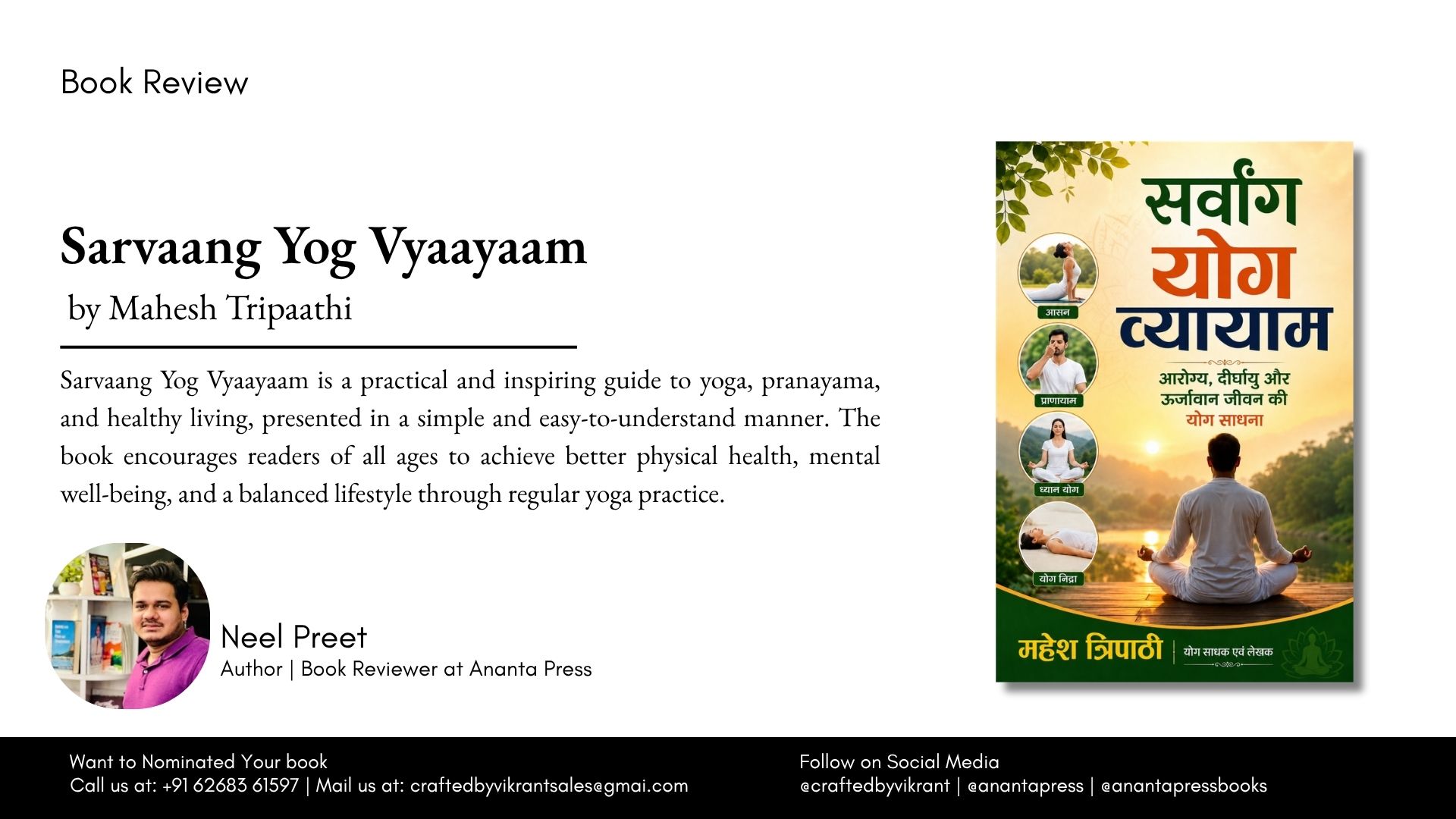
Book Review: Sarvaang Yog Vyaayaam – Aarogya, Deerghaayu Aur Urjavan Jeevan Ki Yog Saadhana by Mahesh Tripathi
In an age when physical inactivity, mental stress, and lifestyle-related diseases have become common concerns, Sarvaang Yog Vyaayaam by Mahesh Tripathi emerges as a practical and inspiring guide to holistic health. This comprehensive book is not merely a collection of yoga postures; rather, it is a complete manual designed to help readers cultivate physical fitness, mental balance, and overall well-being through the disciplined practice of yoga, pranayama, meditation, and therapeutic exercises. Written from the perspective of an experienced yoga practitioner, the book reflects the author’s lifelong commitment to healthy living and his desire to share practical knowledge with people of all age groups. One of the most impressive aspects of this book is its accessibility. Mahesh Tripathi does not present yoga as a complicated spiritual discipline reserved for experts. Instead, he explains it as a simple and effective lifestyle practice that can be adopted by anyone. The author’s personal journey, shared in the opening chapters, adds authenticity and emotional depth to the work. At the age of seventy-four, he credits regular yoga practice for maintaining his health, energy, and independence. His message is particularly encouraging for senior citizens, whom he urges not to consider themselves old or incapable but to remain active and optimistic through consistent exercise and positive thinking. The book begins with a detailed introduction to yoga and its significance in modern life. The author clearly distinguishes between yoga and conventional exercise, explaining how yoga works not only on the body but also on the mind and inner consciousness. While physical exercise primarily strengthens muscles and improves endurance, yoga aims to establish harmony between the body, mind, and spirit. This balanced explanation helps readers appreciate the complementary nature of both practices and understand why yoga remains relevant in contemporary society. A major strength of the book is its systematic organization. The content is divided into well-structured sections that gradually guide readers from basic concepts to advanced practices. Before introducing any exercises, the author explains important rules regarding breathing, posture, diet, clothing, timing, and safety precautions. These guidelines are especially useful for beginners who may not have access to professional yoga instruction. By emphasizing proper technique and gradual progress, the book encourages safe and sustainable practice. The core of the book is devoted to a wide range of yoga exercises and asanas categorized according to body position. Readers are introduced to standing, sitting, lying, and balance-based exercises in a logical sequence. Each exercise is accompanied by clear instructions, benefits, and precautions. The author pays special attention to the movement of different body parts, including the feet, knees, legs, waist, chest, shoulders, hands, neck, face, eyes, and ears. This comprehensive approach justifies the title Sarvaang Yog Vyaayaam, meaning “complete-body yoga exercise.” Few yoga manuals address the body so systematically and inclusively. Another noteworthy feature is the book’s emphasis on flexibility and adaptability. The exercises are designed not only for healthy adults but also for children, elderly individuals, and those recovering from illness. The author frequently suggests modified versions of practices and encourages readers to work according to their abilities. This inclusive philosophy makes the book suitable for a broad audience and reflects a compassionate understanding of diverse physical conditions. Beyond physical exercises, the book offers valuable insights into Surya Namaskar, Pragya Yoga, therapeutic tapping exercises, pranayama techniques, meditation, and Yoga Nidra. These sections enrich the text by highlighting yoga’s mental and emotional dimensions. The chapters on pranayama explain the science of breath control and its role in enhancing vitality and concentration. Similarly, the meditation and Yoga Nidra sections encourage readers to cultivate inner peace, mindfulness, and relaxation. Together, these practices transform the book from a simple exercise manual into a comprehensive wellness guide. The language used throughout the book is straightforward and practical. Rather than relying heavily on philosophical jargon, the author focuses on clear explanations and actionable guidance. This simplicity is one of the book’s greatest strengths because it allows readers from various educational backgrounds to understand and apply the teachings. The author’s tone remains friendly and encouraging, creating the feeling of a personal mentor guiding readers through each stage of their wellness journey. The book also addresses many contemporary health concerns. Discussions on sedentary lifestyles, obesity, diabetes, hypertension, stress, anxiety, and reduced immunity demonstrate the author’s awareness of modern challenges. He presents yoga as a preventive and supportive tool for managing these conditions, emphasizing discipline and consistency rather than quick fixes. This realistic approach adds credibility to the work and encourages readers to adopt long-term healthy habits. Another commendable aspect is the book’s holistic vision of health. Physical fitness is presented as only one component of a meaningful life. The author repeatedly highlights the importance of mental positivity, emotional balance, self-confidence, and spiritual awareness. Such a perspective aligns with the traditional understanding of yoga as a path toward overall harmony rather than mere physical achievement. Readers seeking not only stronger bodies but also calmer minds will find this philosophy particularly valuable. From a practical standpoint, the book serves equally well as a self-study guide and a reference manual. Readers can follow the exercises sequentially or consult specific sections according to their needs. The detailed categorization of exercises makes navigation easy, while the explanations of benefits help users choose practices relevant to their personal goals. The inclusion of disease-specific yoga recommendations further enhances the book’s usefulness as a health resource. Although the book is highly informative, a few readers may desire more scientific references or medical research to support some health-related claims. However, since the work is primarily intended as a practical guide based on the author’s personal experience and traditional yoga principles, this limitation does not significantly reduce its value. The focus remains firmly on application rather than academic analysis. Overall, Sarvaang Yog Vyaayaam is a thoughtful, comprehensive, and highly practical contribution to yoga literature. Mahesh Tripathi successfully combines personal experience, traditional wisdom, and practical instruction to create a guide that is both educational and inspiring. The book encourages readers to take responsibility for their health through
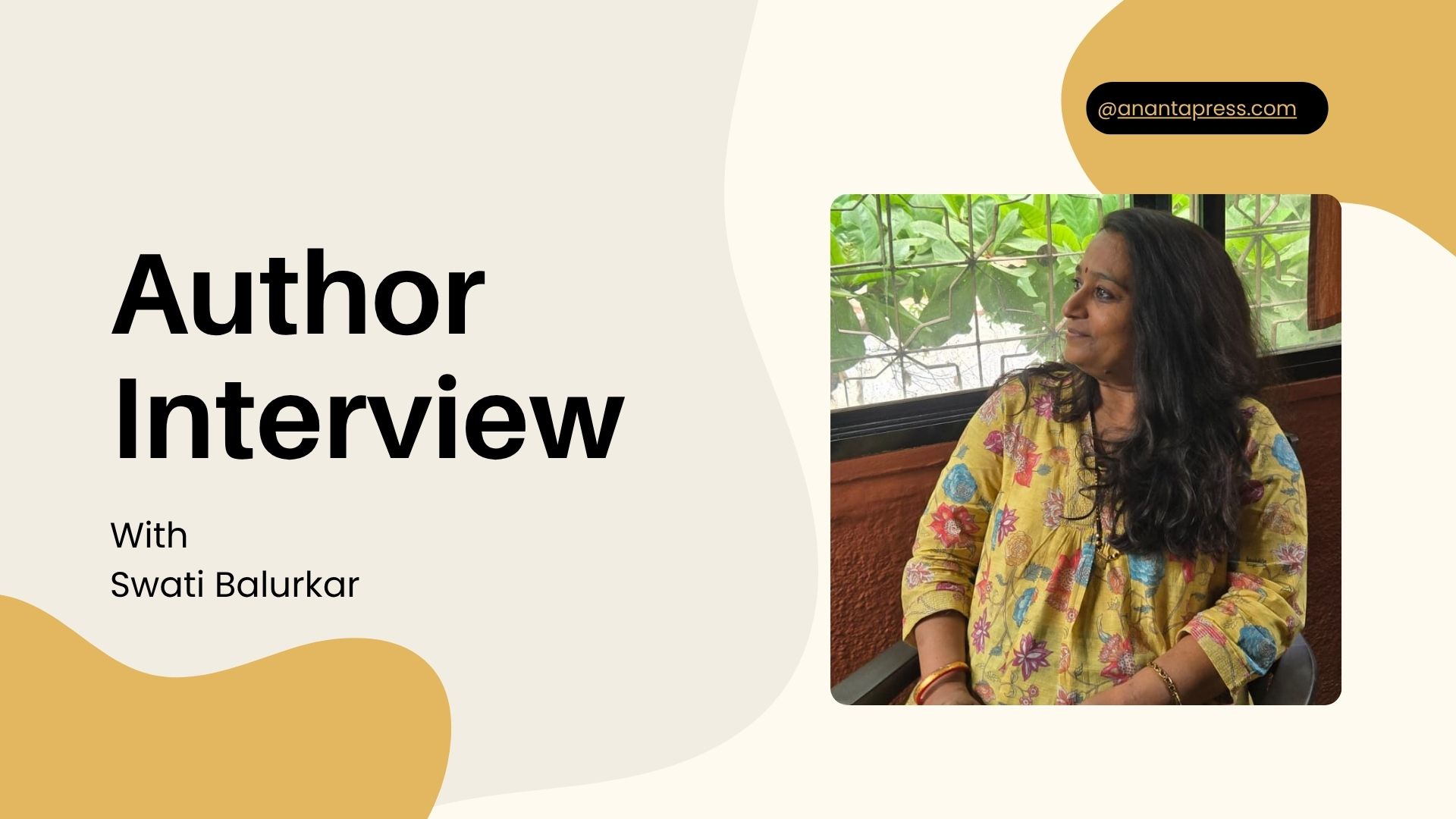
Author Interview: Ms. Swati Balurkar Deshpande on Writing, Teaching, and Her Literary Journey
1. You began writing at the age of 17. What first inspired you to enter the world of literature? Answer- Writing began as a way to express my innermost feelings through poetry. Over time, this passion gradually evolved into writing short reflective pieces, allowing me to explore emotions and experiences more deeply. As my confidence and creativity grew, I ventured into storytelling and began writing short stories, transforming thoughts and observations into meaningful narratives. 2. You have served in the field of education for almost 30 years. How has your experience as a Hindi teacher and Head of Department influenced your writing? Answer – Teaching has always been an advantage in my writing journey. Being surrounded by young minds kept me youthful, aware, and connected to changing perspectives. Understanding people and observing social changes enriched my thoughts and made me more mature as a person and a writer. My passion for writing positively influenced my teaching career, and teaching, in turn, nurtured my creativity. Serving as the Head of the Hindi Department strengthened my personality and deepened my understanding of the Hindi language. Reading Hindi classics added depth to my literary vision and significantly enriched my Marathi writing. Overall, teaching and writing complemented each other beautifully, making my journey more meaningful. The only challenge was finding enough time to write alongside professional responsibilities. 3. During your college years, you were active in speech, debate, storytelling, poetry recitation, writing, and acting. How did these activities shape your creative personality? Answer- I am truly grateful to God for blessing me with opportunities to participate in various creative activities during my college years. Speech, debate, storytelling, poetry recitation, writing, and acting played a significant role in shaping my personality. These experiences made me creative, open-minded, confident, and a capable public speaker. They also strengthened my literary sensibilities and broadened my understanding of people and life. Today, I feel that these activities have helped me become a versatile writer who can explore a wide range of subjects with confidence and sensitivity. They nurtured in me an optimistic outlook, a cheerful approach to life, and the courage to express my thoughts freely. In many ways, these formative experiences have contributed greatly to making me the person and writer I am today. 4. From 1994 to 2018, you took a 24-year break from writing. What was that phase like, and what brought you back to writing after so many years? Answer- In May 1994, after my marriage, I moved to Hyderabad. It was a completely new phase of life—a new city, a new state, a new family, and new responsibilities as a daughter-in-law. Marathi was my language of expression, but living in a non-Marathi-speaking environment and not knowing Telugu made it difficult to stay connected with the literary world I belonged to. I did make a few attempts to continue writing and sending my work for publication, but the circumstances were not favorable. Gradually, family responsibilities took priority, and I put my writing aside. Over the next 24 years, my life revolved around my family, career, and raising my two sons. As they grew up, became independent, and my professional and personal responsibilities settled, I began to feel that something was missing in my life. I realized how deeply I missed reading and writing in Marathi. By then, technology had transformed the literary landscape. The emergence of the internet, mobile phones, and various writing platforms created new opportunities for writers. These platforms rekindled my passion for literature and motivated me to start writing again. Returning to writing felt like reconnecting with an important part of myself that had been waiting patiently for years. 5. After resuming writing in 2018, you published stories, poems, blogs, and articles across many platforms. How did readers’ responses encourage your second literary journey? Answer – My second literary innings has been even more exciting and fulfilling than the first. Unlike earlier times, digital publishing platforms and self-publishing apps made it possible to share my work instantly and connect directly with readers. The convenience of publishing anytime and anywhere made the entire process much easier and more engaging. A turning point came when I posted a poem that I had written nearly 25 years earlier. To my delight, it received a five-star rating and highly encouraging comments from readers. That response gave me the confidence to believe that my writing was worthy of publication and appreciation. The positive feedback motivated me to explore new themes and genres, experiment with different forms of writing, and continue my literary journey with renewed enthusiasm. Since then, I have been writing consistently, and the encouragement of readers has remained one of the greatest inspirations behind my work 6. Your stories such as Keli Pan Preeti, Just for You, Magani, Gondan, Anahita, and Parineeta are appreciated by readers. What themes do you enjoy exploring the most in your stories? Answer – At heart, I am a romantic person and a lover of love stories. Human emotions, relationships, and the many shades of love naturally attract me as a writer. However, I do not like to limit myself to a single genre. Over the years, I have explored a variety of themes, including social issues, family relationships, psychological complexities, mystery, tragedy, and other thought-provoking subjects. I am particularly interested in the intricacies of human relationships and the emotions that shape our decisions and lives. As a writer, I enjoy experimenting with different subjects and perspectives. Whether it is a heartwarming love story or a story that reflects social realities, my aim is always to connect with readers through authentic emotions and meaningful narratives. 7. Your stories Ankur and Kinare won Second Prize in a State-Level Short Story Competition. How important are such awards and recognitions for a writer? Answer- Awards and recognitions are very important for any writer. While the true joy of writing comes from self-expression and creative satisfaction, awards serve as a valuable acknowledgment of a writer’s efforts and contribution to literature. Such recognition
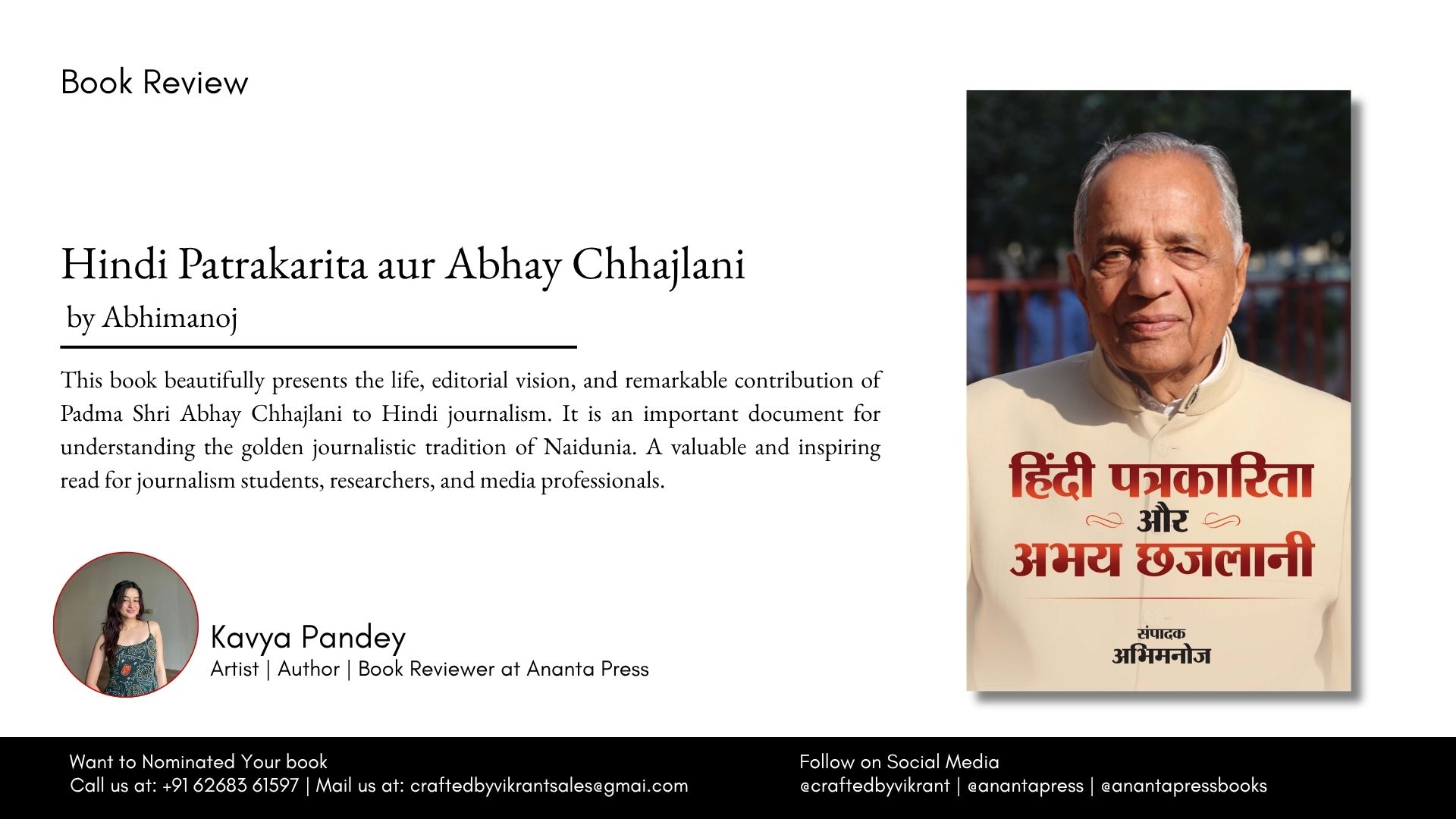
Book Review of Hindi Patrakarita aur Abhay Chhajlani by Abhimanoj
Hindi Patrakarita aur Abhay Chhajlani is much more than a commemorative volume dedicated to the life and work of Padma Shri Abhay Chhajlani. It is a valuable historical document that captures the spirit, values, challenges, and evolution of Hindi journalism through the lens of one of its most respected figures. Edited by senior journalist Abhimanoj, the book brings together memoirs, essays, tributes, speeches, and reflections from journalists, editors, writers, and colleagues who either worked with or were influenced by Abhay Chhajlani and the legendary newspaper Nai Duniya. The result is a rich and multidimensional portrait of a man who left an indelible mark on Indian journalism. One of the book’s greatest strengths lies in its structure. Rather than presenting a conventional biography, the editor has compiled a collection of personal experiences and professional assessments from numerous contributors. This approach allows readers to understand Abhay Chhajlani from multiple perspectives. Through these varied voices, the book gradually reveals not only the personality of Chhajlani but also the culture of ethical journalism that he helped nurture. Each chapter contributes a unique piece to the larger mosaic, making the book engaging and authentic. The introductory section by Abhimanoj serves as a powerful gateway into the world of Nai Duniya and the era it represented. He describes the newspaper as a “school of journalism” and a training ground for generations of journalists. His recollections highlight how Nai Duniya was not merely a newspaper but an institution dedicated to language, truth, social responsibility, and public trust. This context is essential because it helps readers appreciate why Abhay Chhajlani occupies such an important place in the history of Hindi journalism. A particularly fascinating aspect of the book is the inclusion of Abhay Chhajlani’s own writings and speeches. These pieces allow readers to encounter his thoughts directly rather than solely through the memories of others. His essay reflecting on democracy, governance, and the common citizen demonstrates his intellectual depth and concern for social realities. His observations reveal a journalist who constantly questioned power structures and remained committed to the ideals of democracy. Even when expressing disappointment with public institutions, his writing reflects a constructive and thoughtful approach rather than cynicism. Equally impressive is his speech on editing and journalism, delivered at a journalism workshop. In this address, Chhajlani discusses the changing nature of news, the influence of electronic media, the responsibilities of editors, and the evolving expectations of readers. Although delivered decades ago, many of his insights remain remarkably relevant today. His emphasis on editorial responsibility, language sensitivity, reader engagement, and ethical decision-making reflects a vision of journalism that prioritizes public service over sensationalism. Readers interested in media studies will find these sections particularly valuable because they provide practical wisdom from a seasoned editor who experienced major transformations in the media landscape. Throughout the book, contributors repeatedly emphasize Chhajlani’s commitment to journalistic ethics. Numerous anecdotes illustrate how he defended editorial independence even when facing political pressure or criticism. One memorable example describes how he publicly explained an editorial decision when questions arose regarding a news report. Such incidents demonstrate his belief that credibility is the most valuable asset of a newspaper. Rather than protecting institutional pride, he prioritized transparency and public trust. These stories help explain why he earned such widespread respect among journalists and readers alike. Another notable theme is mentorship. Many contributors credit Abhay Chhajlani with shaping their careers. The book portrays him not merely as a newspaper owner or editor but as a guide who recognized talent and encouraged professional growth. Several writers describe how he provided opportunities to young journalists, trusted them with responsibilities, and supported them in developing independent perspectives. This mentoring role emerges as one of his most enduring contributions to Indian journalism. His influence extended far beyond the pages of Nai Duniya because the journalists he nurtured went on to serve in leading media organizations across the country. The book also provides valuable insights into the evolution of Hindi journalism after Indian independence. Through discussions of editorial practices, language standards, technological changes, and audience expectations, readers gain a deeper understanding of how newspapers adapted to changing times. Contributors often contrast the value-driven journalism of earlier decades with contemporary trends toward commercialization and sensationalism. While the book occasionally adopts a nostalgic tone, it does so without becoming overly romantic. Instead, it encourages readers to reflect on the principles that should continue to guide journalism in any era. One of the most touching elements of the collection is the emotional warmth present in many contributions. The writers do not simply discuss Chhajlani’s professional achievements; they also remember his humanity, kindness, humility, and personal relationships. These recollections transform the book from a professional tribute into a deeply human narrative. Readers encounter a man who inspired loyalty and affection because of the respect he showed others. Such personal memories balance the analytical discussions of journalism and make the book emotionally engaging. The language and style of the contributions vary because they come from different authors. However, this diversity ultimately strengthens the book. Some chapters are analytical, others are anecdotal, and still others are reflective or emotional. Together they create a dynamic reading experience. Readers never feel confined to a single perspective. Instead, they move through a broad landscape of memories, ideas, and experiences that collectively illuminate the significance of Abhay Chhajlani’s life and work. From an academic standpoint, the book possesses considerable value. Journalism students, media researchers, and historians will find it useful as a source of firsthand accounts and reflections on the development of Hindi journalism. The essays provide insights into newsroom culture, editorial decision-making, language politics, media ethics, and the relationship between journalism and society. While the book is accessible to general readers, it also serves as an important reference for those studying Indian media history. The editor deserves special appreciation for preserving these memories. By bringing together contributions from so many individuals, Abhimanoj has created a collective archive of journalistic experience. In an age when media institutions often focus on speed