
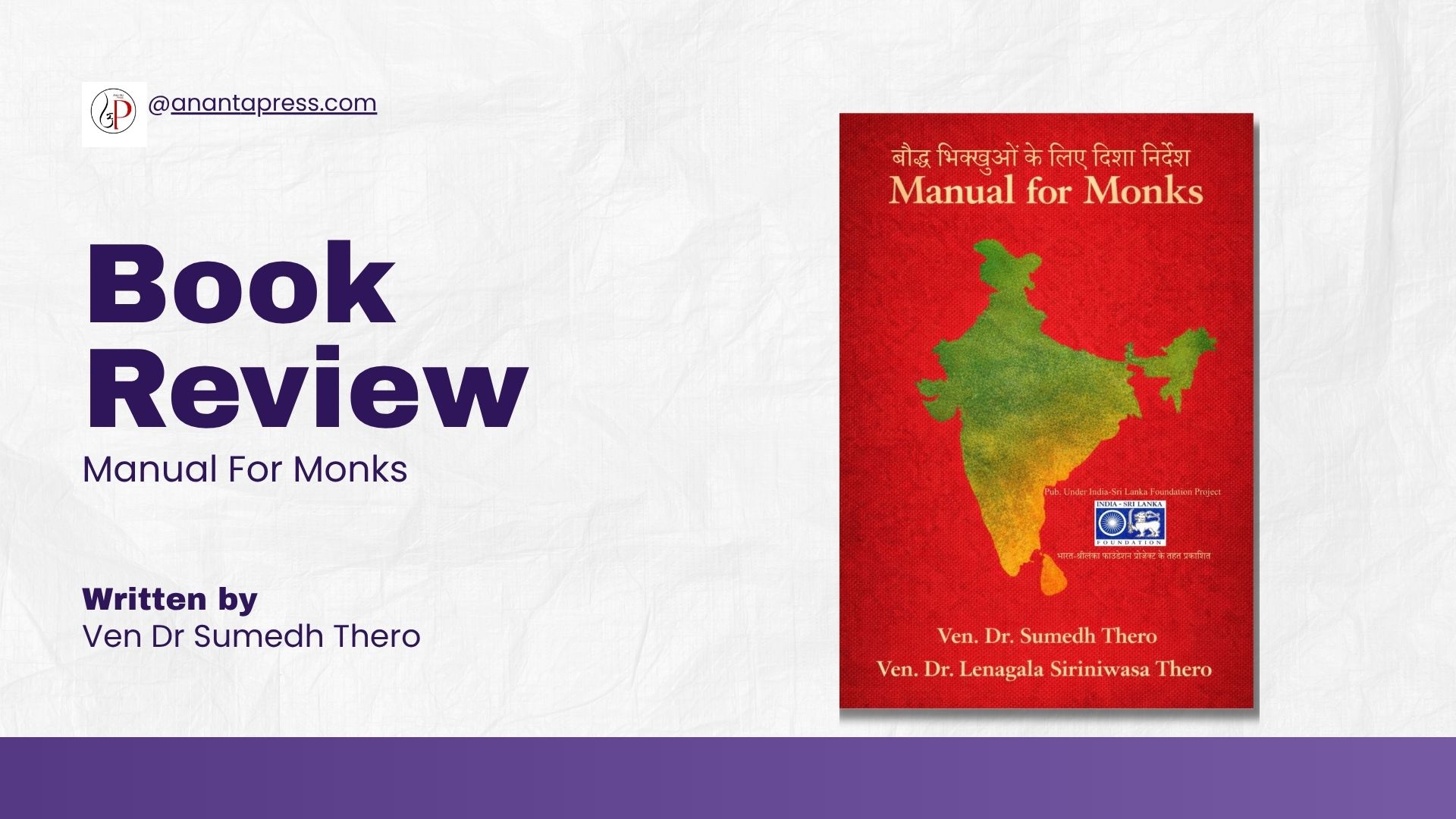
This book emerges as a highly valuable and practical resource for followers of Buddhism, especially those seeking to integrate Dhamma into their everyday lives. Designed with a clear focus on daily practices and moral conduct, the book serves not only as a devotional guide but also as a manual for living a disciplined and mindful life rooted in Buddhist principles. One of the most notable strengths of the book is its comprehensive coverage of essential daily rituals and practices. It introduces readers to key components of Buddhist worship and discipline, such as Puja, Tripuja, Namaskar, Trisharan, Panchsheel, and Trivandana. These are explained in a way that allows both beginners and regular practitioners to understand their significance and perform them with clarity and devotion. By bringing together these practices in one place, the book becomes a convenient and accessible guide for daily spiritual engagement. Beyond rituals, the book places strong emphasis on Sheel (moral conduct), which is rightly presented as the foundation of Buddhist philosophy. It reinforces the idea that spirituality is not limited to prayer or recitation, but is deeply reflected in one’s behavior, discipline, and ethical living. This focus makes the book particularly relevant in today’s fast-paced world, where moral grounding often takes a backseat. Another important aspect of the book is its guidance on social and interpersonal conduct within the Buddhist community. It thoughtfully explains how Bhikkhus (monks) and Upasakas (lay followers) should interact with each other, promoting mutual respect, harmony, and understanding. This practical dimension addresses real-life situations and community dynamics, making the book not just theoretical but highly applicable. The simplicity of language and clarity of presentation further enhance its usefulness. It appears to be designed keeping in mind the everyday needs of common people, making it accessible to a wide audience. Whether someone is newly introduced to Buddhism or has been practicing for years, the book offers valuable insights and structured guidance. In conclusion, this book stands as a meaningful contribution to Buddhist literature, particularly for those seeking a structured approach to daily practice and ethical living. It successfully combines ritual knowledge, moral teachings, and practical guidance into one cohesive work. For followers of Buddhism, it is not just a book—it is a daily companion that supports spiritual growth, discipline, and harmonious living. Buy Now : https://www.amazon.in/dp/9378214967
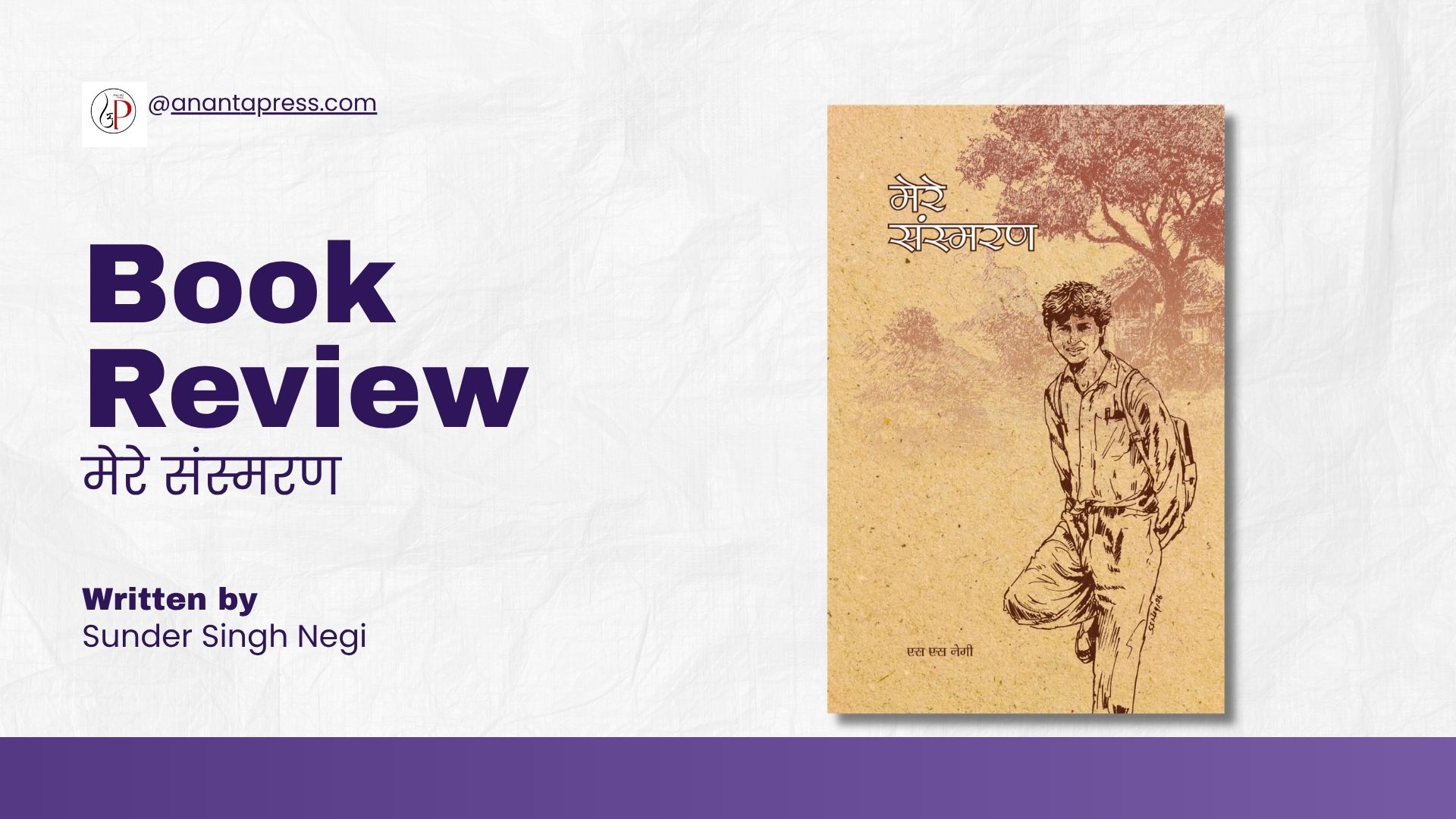
Whispers of a Lived Life: A Soulful Review of “Mere Sansmaran”
“Mere Sansmaran” is not presented as a conventional literary masterpiece, nor does it attempt to impress with ornate language or complex storytelling. Instead, it stands as a deeply personal and sincere collection of memories—raw, unfiltered, and profoundly human. The book captures the essence of a life reflected upon, where every memory becomes a wave in an endless ocean of experiences. At its heart, the book is an intimate journey into the author’s past. It revisits the simplicity of childhood—the dusty lanes, carefree moments spent by the river, and the small yet meaningful joys shared with loved ones. These are not merely nostalgic recollections; they form the foundation of the author’s identity. The beauty of the narrative lies in how these seemingly ordinary moments are elevated into something deeply significant and emotionally resonant. A particularly moving aspect of the book is its portrayal of the author’s parents. The mother’s tireless dedication and relentless hard work are depicted with warmth and gratitude, while the father’s silent struggles add a layer of quiet strength and emotional depth. These portrayals are not exaggerated but are rooted in genuine observation and heartfelt appreciation, making them relatable to readers from all walks of life. As the narrative progresses, the transition from childhood to college life marks a turning point in the author’s understanding of the world. This phase introduces a sense of maturity, self-reflection, and awareness. The changing environment, evolving emotions, and unspoken feelings are seamlessly woven into the narrative, giving the book a sense of growth and continuity. One of the most compelling elements of “Mere Sansmaran” is the author’s honesty. There is a humble acknowledgment of not being a seasoned writer, which paradoxically becomes the book’s greatest strength. The writing does not strive for perfection; instead, it seeks truth. It is this courage—the courage to express what was once left unsaid—that gives the book its emotional power. The work becomes a voice for silence, a medium through which long-held feelings finally find expression. The tone of the book is simple yet deeply touching. It speaks directly to the reader’s heart without relying on literary complexity. This simplicity ensures that the narrative remains accessible while still carrying profound emotional weight. Readers are likely to find reflections of their own lives within these pages, as the themes of family, struggle, growth, and memory are universal. In conclusion, “Mere Sansmaran” is a heartfelt and introspective work that celebrates the beauty of simplicity and the strength found in life’s struggles. It is a tribute to memories, relationships, and the quiet emotions that shape who we are. More than just a collection of recollections, it is an invitation for readers to pause, reflect, and reconnect with their own journeys. This book does not just tell a story—it gently reminds us of the stories we all carry within ourselves. Buy Now : https://www.amazon.in/dp/9378213693/