
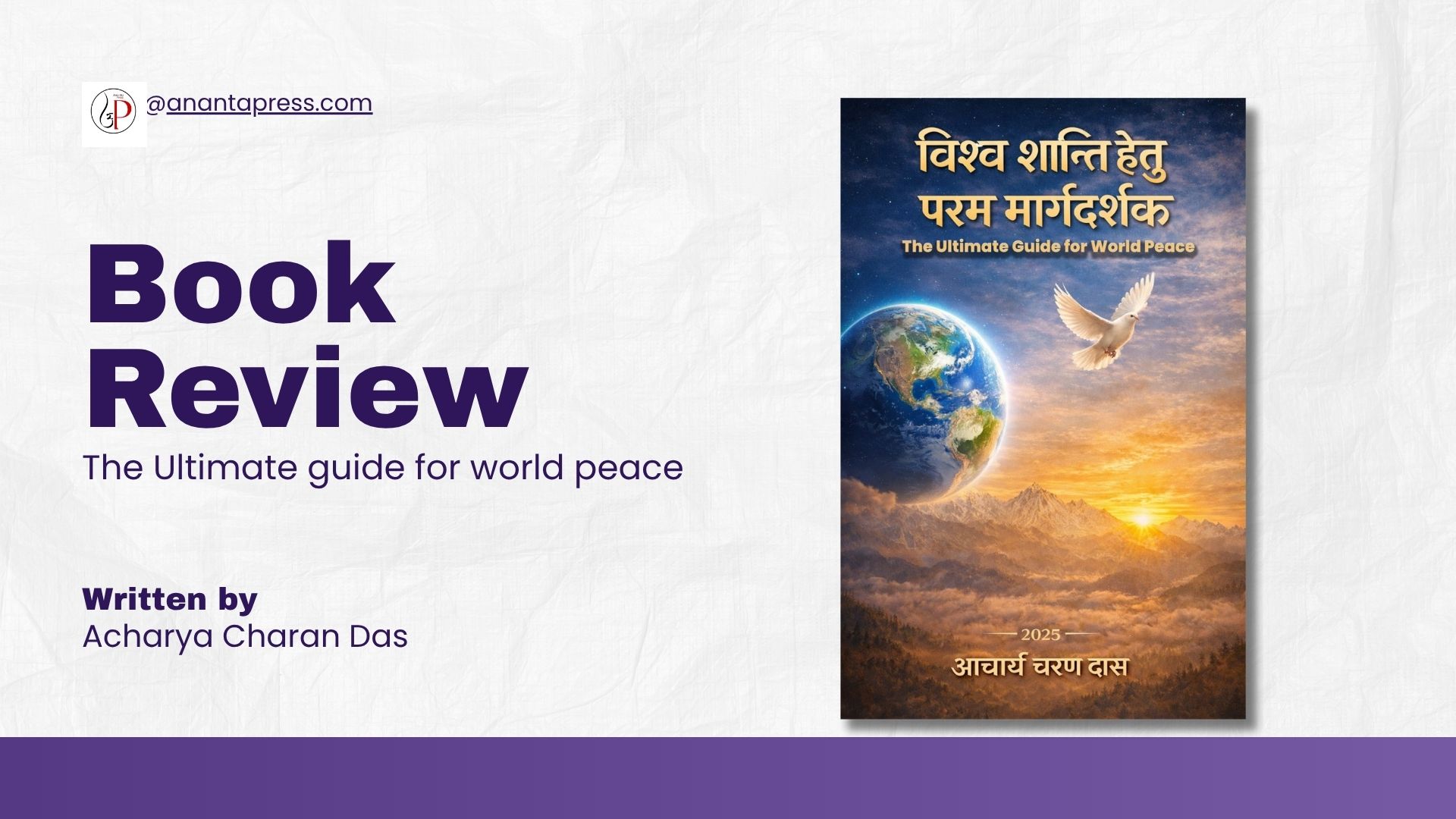
Introduction The Absolute Science for Self-Realization presents itself not as a conventional book, but as a deeply spiritual offering dedicated to seekers of truth, peace, and higher consciousness. From the very beginning, the author establishes a tone of humility and reverence—dedicating the work to family members, spiritual influences, and fellow thinkers whose ideas have contributed to the book’s formation. This grounding in gratitude sets the stage for a work that is both personal and universal in its intent. Purpose and Vision of the Book What stands out most clearly is the author’s uncompromising clarity about the book’s purpose. This is not a guide for material success, comfort, or indulgence. Nor is it written to serve personal interests, convenience, or compromise. Instead, the book is positioned as a singular pursuit—an exploration of param satya (ultimate truth) and atma-sakshatkar (self-realization). The author makes it evident that this work is meant for sincere seekers—individuals who are not merely curious, but committed to understanding their inner self and their connection with the Earth and existence as a whole. The emphasis on coexistence, respect, and love toward “Mother Earth” adds an ecological and ethical dimension to the spiritual discourse. Spiritual Depth and Philosophical Foundation The book appears to draw from multiple philosophical and spiritual traditions, as indicated by the acknowledgment of various authors and sources. This suggests a synthesis of ideas rather than a rigid adherence to a single doctrine. The mention of a devoted Buddhist follower hints at the possible influence of Buddhist philosophy—perhaps in themes like mindfulness, detachment, and inner awakening. At its core, the book seems to advocate a disciplined and sincere path toward self-realization—one that requires introspection, honesty, and a willingness to transcend personal desires and ego-driven motivations. Tone and Writing Style The tone of the book is earnest, contemplative, and purposeful. It avoids ornamental or persuasive language aimed at attracting a wide audience. Instead, it speaks directly to those who are already inclined toward spiritual inquiry. This makes the work feel authentic, though it may also limit its accessibility for casual readers or those seeking quick answers. The author’s dedication and gratitude reflect a grounded personality, which adds emotional depth to the otherwise philosophical narrative. Strengths of the Book Limitations Conclusion The Absolute Science for Self-Realization is a sincere and focused spiritual work that aims to guide readers toward the ultimate truth rather than temporary satisfaction. It is a book for those who are ready to question, reflect, and transform—not for those seeking ease or convenience. In essence, this book is less about reading and more about awakening. Buy Now : https://www.amazon.in/Vishva-Shanti-Hetu-Param-Margdarshak/dp/9378211631/
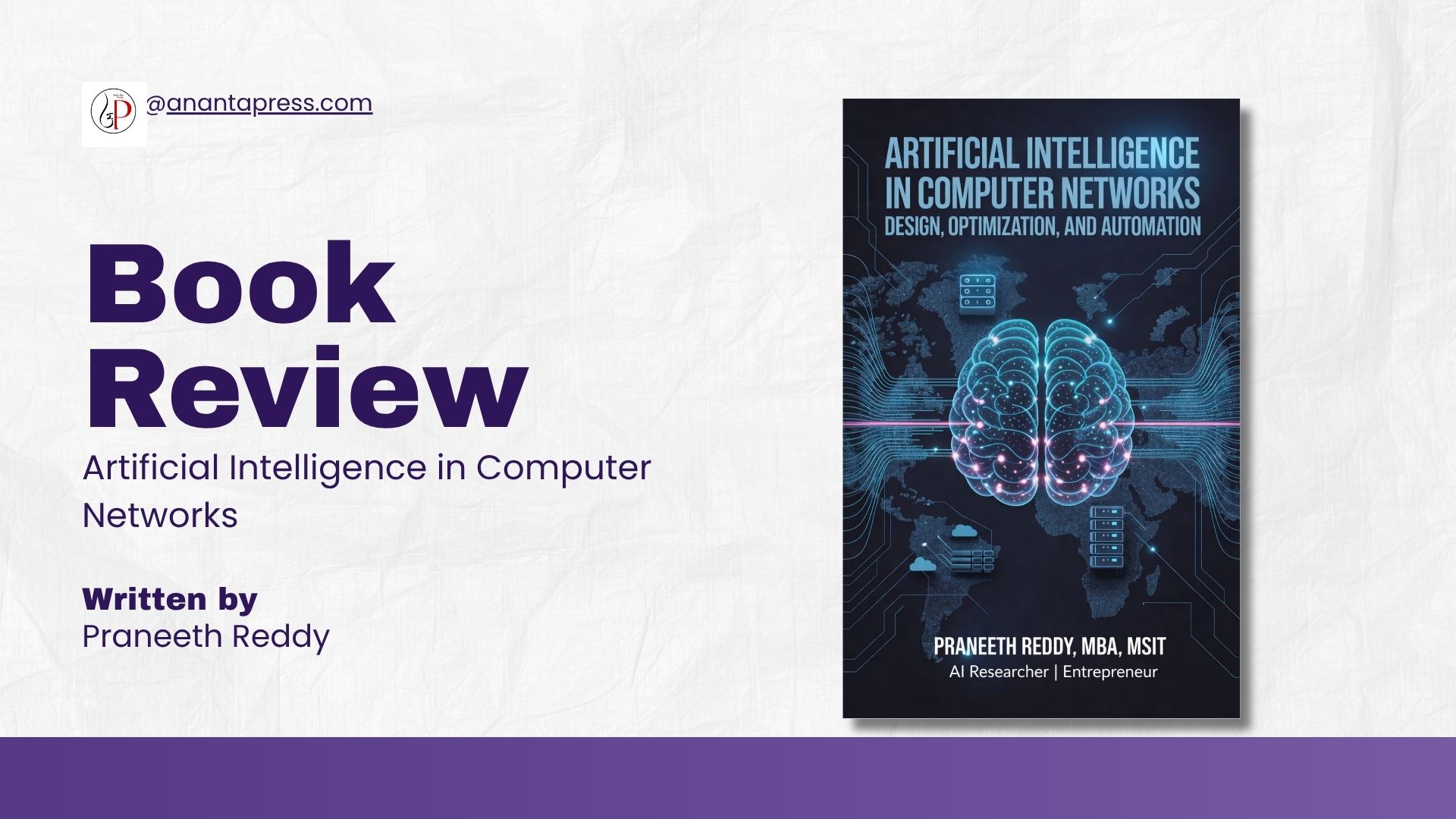
From Reactive Systems to Intelligent Networks: A Review of Artificial Intelligence in Computer Networks
Introduction: A Paradigm Shift in Networking Artificial Intelligence in Computer Networks: Design, Optimization, and Automation presents a compelling exploration of how modern networks are evolving beyond traditional, human-managed systems into intelligent, self-sustaining infrastructures. The book begins with a bold premise: networks no longer simply fail—they learn, adapt, and heal. This idea captures the essence of a technological transformation driven by the growing scale and complexity of digital ecosystems. Reimagining the Role of Networks One of the book’s central strengths lies in its ability to redefine what a network is. No longer passive systems that require manual intervention, networks are portrayed as dynamic entities capable of predicting congestion, responding to failures in real time, and continuously optimizing their performance. This shift from reactive to proactive infrastructure reflects the increasing integration of Artificial Intelligence into core network operations. Bridging Theory and Real-World Applications The book strikes a strong balance between theoretical foundations and practical implementation. It covers essential topics such as machine learning for traffic analysis, AI-driven topology design, intelligent fault detection, and autonomous network management. Rather than remaining abstract, these concepts are tied to real-world systems currently shaping industries like cloud computing, autonomous vehicles, and financial technologies. This connection makes the content both relevant and forward-looking. Accessibility and Technical Depth Despite addressing complex subjects, the book is described as both rigorous and accessible. It appears to cater to a broad audience—ranging from students and researchers to professionals in networking and AI. The explanations are likely structured in a way that builds understanding progressively, allowing readers to grasp advanced ideas without feeling overwhelmed. The Vision of Self-Designing Networks A particularly intriguing aspect of the book is its focus on the future of self-designing networks. This concept pushes beyond automation into a realm where systems can independently evolve, optimize, and restructure themselves. It reflects a future where human intervention is minimal, and networks operate with a high degree of autonomy—an idea that is both exciting and transformative. Relevance in a Rapidly Evolving Digital World In today’s environment, where billions of devices are interconnected and data flows at unprecedented speeds, traditional network management methods are becoming obsolete. The book effectively highlights this reality and positions AI as not just a tool, but a necessity for managing modern digital infrastructure. Its relevance spans multiple sectors, making it an important resource for understanding the future of technology. Conclusion: A Forward-Looking Guide to Intelligent Infrastructure In conclusion, Artificial Intelligence in Computer Networks is a timely and insightful work that captures the evolution of networking in the age of AI. It successfully combines conceptual clarity with practical relevance, offering readers a comprehensive understanding of how intelligent systems are reshaping digital infrastructure. For anyone interested in the intersection of networking and artificial intelligence, this book serves as both a guide and a glimpse into the future—where networks are no longer managed, but intelligently self-driven.
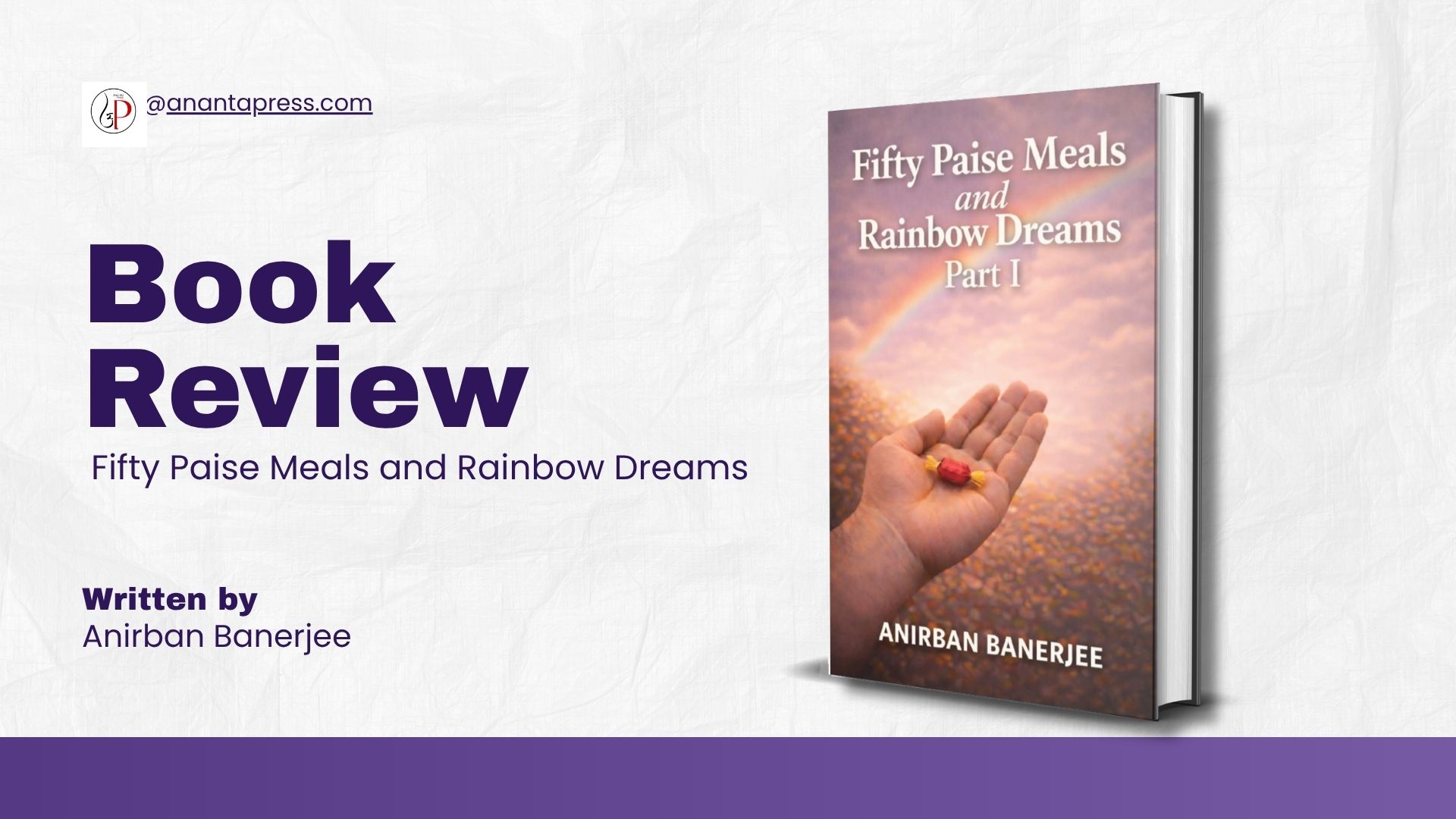
Small Moments, Lasting Echoes: A Reflective Review of “Fifty Paise Meals and Rainbow Dreams, Part I”
Introduction: The Power of Ordinary Moments “Fifty Paise Meals and Rainbow Dreams, Part I” by Anirban Banerjee is a gentle yet profound exploration of how seemingly small moments quietly shape the course of our lives. The book begins with a simple but resonant idea—that while some memories fade, others linger and influence who we become. This central theme forms the emotional backbone of the narrative. A Journey Through Life’s Stages The collection of fourteen stories takes readers on a chronological and emotional journey—from the carefree chaos of childhood to the uncertainties of adolescence, and finally into the layered complexities of adulthood. Each phase is portrayed with sensitivity, capturing not just events but the evolving mindset of the protagonist. The transitions feel natural, allowing readers to reflect on their own journeys alongside the narrative. Themes of Love, Loss, and Human Connection At its heart, the book is about relationships—the friendships that define us, the innocence of first love, the pain of betrayal, and the healing power of forgiveness. These themes are handled with subtlety, avoiding melodrama while still delivering emotional depth. The stories highlight how human connections, even in their imperfections, play a crucial role in shaping identity and emotional growth. The Balance of Humour and Reflection One of the book’s most appealing qualities is its ability to balance humour with introspection. Light-hearted moments from childhood sit comfortably alongside deeper reflections on life’s struggles. This blend ensures that the narrative remains engaging while also offering moments of pause and contemplation. The humour feels organic, adding warmth rather than distracting from the emotional core. Nostalgia and Emotional Resonance The author’s writing is deeply rooted in nostalgia, drawing inspiration from everyday experiences and memories that many readers will find familiar. Whether it’s playful mischief or quiet heartbreak, the stories evoke a sense of recognition. This relatability is one of the book’s greatest strengths, as it allows readers to see fragments of their own lives within the pages. Resilience and Growth Beyond nostalgia, the book also carries an underlying message of resilience. It portrays life not as a series of grand achievements, but as a collection of small struggles and quiet victories. The protagonist’s journey reflects the courage required to move forward despite challenges, making the narrative both inspiring and grounded in reality. Writing Style and Narrative Tone Anirban Banerjee adopts a simple, reflective, and emotionally nuanced style. The language is accessible, yet it carries depth through its sincerity. Rather than relying on dramatic storytelling, the author allows emotions to unfold naturally, giving the book an intimate and personal feel. Conclusion: A Mirror to Everyday Life In conclusion, “Fifty Paise Meals and Rainbow Dreams, Part I” is a heartfelt and introspective collection that celebrates the beauty of ordinary experiences. It reminds readers that life’s most meaningful moments are often the quietest ones. With its blend of nostalgia, humour, and emotional insight, the book becomes more than just a set of stories—it becomes a mirror reflecting the shared human experience of growing up, loving, losing, and learning. Buy Now : https://www.amazon.in/Fifty-Paise-Meals-Rainbow-Dreams/dp/9378214282/

Book Review: The Big British Bluff: That Was India’s Liberation War, NOT a Japanese Invasion by Subir
Subir’s The Big British Bluff is a provocative and revisionist historical work that challenges long-standing narratives surrounding India’s role in the Second World War—particularly the portrayal of the Indian National Army (INA) and its collaboration with Japan. The book positions itself as a corrective lens, arguing that what has been widely described as a “Japanese invasion of India” was, in reality, a legitimate Indian liberation struggle led by Netaji Subhas Chandra Bose. Through a blend of archival references, oral histories, and interpretive analysis, the author attempts to dismantle what he calls a “British-fabricated myth.” Central Thesis and Purpose The core argument of the book is clear and forceful: the British colonial administration deliberately misrepresented the INA’s campaign in Northeast India as a Japanese invasion in order to delegitimize the Indian freedom struggle and maintain control over public perception. Subir frames this as part of a broader propaganda machinery that not only influenced wartime narratives but also shaped post-independence historiography. From the very beginning—particularly in Chapter 1, “Busting the Myth”—the author establishes his intent to challenge dominant Western narratives. He asserts that history, as commonly taught, has been heavily influenced by colonial biases and that revisiting these accounts from an Indian or Asian perspective is essential for a more truthful understanding of events. Strengths of the Book 1. Rich Historical Detail and Documentation One of the book’s strongest features is its extensive use of historical references. Subir draws from a wide range of sources—newspaper reports, memoirs, scholarly works, and oral testimonies—to build his case. For instance, the account of Ruzazho village in Nagaland, described as the first Indian village liberated and administered by the INA, is presented with compelling detail. This example serves not just as a historical anecdote but as symbolic evidence supporting the book’s thesis. By highlighting such lesser-known events, the author effectively broadens the reader’s understanding of the INA’s reach and influence. 2. Emphasis on Oral Histories The book gives significant importance to oral traditions, especially among tribal communities in Northeast India. Subir argues that these narratives, often overlooked in mainstream historiography, provide valuable insights into local experiences of the INA’s presence. This approach adds a human dimension to the narrative. It shifts the focus from abstract military strategies to lived experiences—villagers providing food, acting as guides, or witnessing battles firsthand. This makes the book more engaging and grounded. 3. Reinterpretation of the INA’s Role A major contribution of the book lies in its reinterpretation of the INA. Rather than portraying it as a “puppet army” of Japan—as British propaganda often did—Subir presents it as an independent force with its own political vision and administrative structure. He highlights agreements between the INA and Japan, such as the understanding that liberated territories would be handed over to Indian control and that only the Indian national flag would be flown. This challenges the simplistic narrative of collaboration and instead portrays the relationship as strategic and mutually beneficial. 4. Critical Examination of British Propaganda The book is particularly strong in its critique of British wartime propaganda. Subir argues that the British deliberately suppressed information about the INA’s successes while exaggerating or fabricating narratives about Japanese aggression. He provides examples of how the British portrayed Bose as a traitor and the INA as unreliable, while simultaneously censoring news from the Indo-Burma front. This analysis is one of the most compelling aspects of the book, as it encourages readers to question how historical narratives are constructed and whose interests they serve. 5. Integration of Global Context Subir does not limit his discussion to India alone. He situates the INA’s struggle within the broader context of World War II, discussing events such as the Battle of Kohima, the atomic bombings of Hiroshima and Nagasaki, and the Tokyo War Crimes Tribunal. This global perspective helps readers understand the complexity of the period and the interconnectedness of events. It also reinforces the idea that India’s freedom struggle cannot be viewed in isolation. Critical Analysis and Limitations While the book is ambitious and thought-provoking, it is not without its shortcomings. 1. Strong Authorial Bias The most noticeable limitation is the author’s overt bias. Subir’s narrative is clearly sympathetic to the INA and critical of British actions, which is understandable given the subject matter. However, at times, this perspective borders on one-sidedness. For instance, while the book extensively critiques British propaganda, it does not equally scrutinize the actions or motivations of the INA or its Japanese allies. Complex issues—such as the ethical implications of aligning with Axis powers—are not explored in depth. This lack of balance may lead some readers to question the objectivity of the analysis. 2. Repetition and Lengthy Exposition The book occasionally suffers from repetition. The central argument—that the Japanese invasion narrative is a myth—is reiterated multiple times across chapters. Additionally, some sections delve into extensive historical detail that, while informative, can disrupt the narrative flow. Readers unfamiliar with World War II history may find certain passages dense and challenging to follow. 3. Limited Engagement with Counterarguments A stronger engagement with opposing viewpoints would have enhanced the book’s credibility. While the author dismisses the “Japanese invasion” narrative, he does not thoroughly address the evidence supporting it or the perspectives of historians who uphold it. A more balanced discussion would have made the argument more robust and persuasive. Themes and Interpretations Several key themes emerge throughout the book: Writing Style Subir’s writing style is assertive and passionate. He writes with a sense of urgency, as though attempting to correct a long-standing injustice. This makes the book engaging, especially for readers interested in revisionist history. However, the tone can sometimes feel polemical, which may not appeal to readers seeking a more neutral academic approach. Overall Evaluation The Big British Bluff is an important and thought-provoking contribution to discussions about India’s independence movement and the role of the INA. It challenges readers to reconsider accepted historical narratives and to explore alternative perspectives. While the book’s arguments are compelling and supported by substantial evidence, its strong bias and
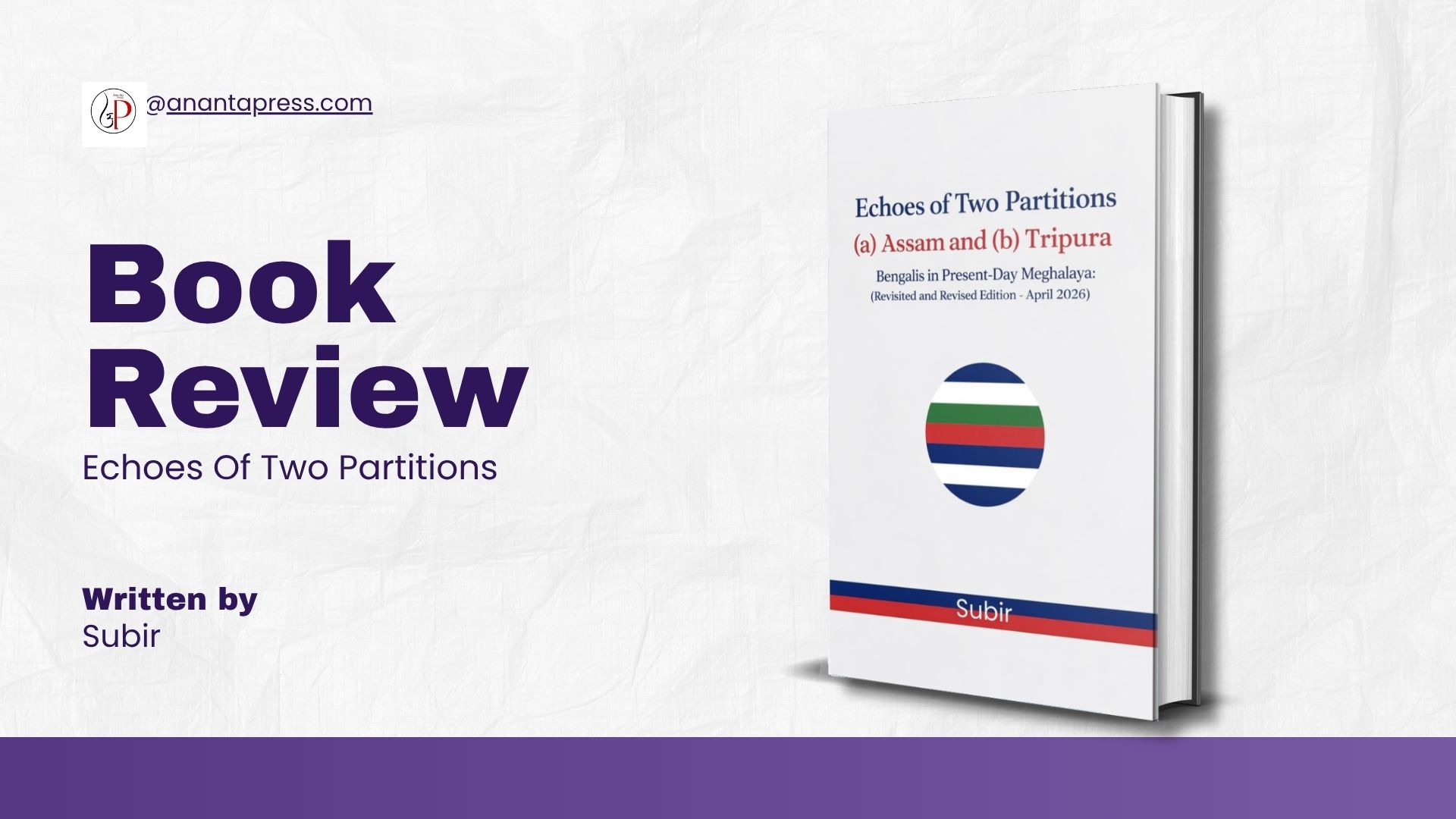
Revisiting the Margins: A Critical Review of a Book on North-East India’s Untold Narratives
Introduction: Questioning the Familiar This book begins with a simple yet powerful question—why do we call it “North-East India” when geographically it lies in the eastern part of the country? From the very outset, the author challenges accepted terminologies and perceptions, urging readers to rethink what they have long taken for granted. This approach sets the tone for a thought-provoking exploration that seeks to uncover overlooked truths and hidden histories. Uncovering Forgotten Histories One of the book’s most compelling contributions lies in its focus on lesser-known aspects of India’s partition. While mainstream narratives predominantly highlight Bengal in the East and Punjab in the West, this work brings attention to the largely ignored partitions of Assam Province and the Princely State of Tripura. By doing so, it exposes gaps in historical discourse and invites readers to question why certain events have been marginalized or forgotten. Challenging Established Narratives The book boldly questions conventional historical understandings, such as the demographic reality of Assam being a Bengali-majority province from 1874 until its partition in 1947—an aspect rarely discussed in popular or academic narratives. These revelations push readers to reconsider long-held assumptions and recognize the complexity of regional histories that are often simplified or overlooked. Geopolitical Sensitivity and Strategic Importance A significant portion of the book highlights the geographical and strategic uniqueness of the region. The narrow Siliguri Corridor, which connects North-East India to the rest of the country, is presented as both a point of vulnerability and significance. This fragile connection underscores the importance of the region in India’s national integrity and security, adding a contemporary relevance to the historical discussions. A Call for Greater Integration and Understanding Beyond historical analysis, the book carries a strong message of unity and inclusion. It emphasizes the need for deeper engagement, understanding, and acceptance of the people of North-East India. By shedding light on their histories and realities, the author advocates for stronger emotional and cultural integration, which is essential for building a more cohesive and resilient nation. Style and Approach The narrative appears to be analytical yet accessible, driven by questions rather than assertions. This method encourages readers to actively engage with the content, making the reading experience more reflective than passive. The book does not merely present facts; it invites dialogue and introspection. Conclusion: Expanding the National Perspective In conclusion, this book is an important and timely contribution that broadens the scope of India’s historical and geopolitical understanding. By focusing on neglected narratives and questioning dominant perspectives, it challenges readers to look beyond the mainstream and appreciate the complexities of the North-East. It is not just a history book—it is a call to rethink, reconnect, and recognize a region that is both integral and indispensable to the nation’s identity. Buy Now : https://www.amazon.in/Echoes-Two-Partitions-Assam-Tripura/dp/9378213391/
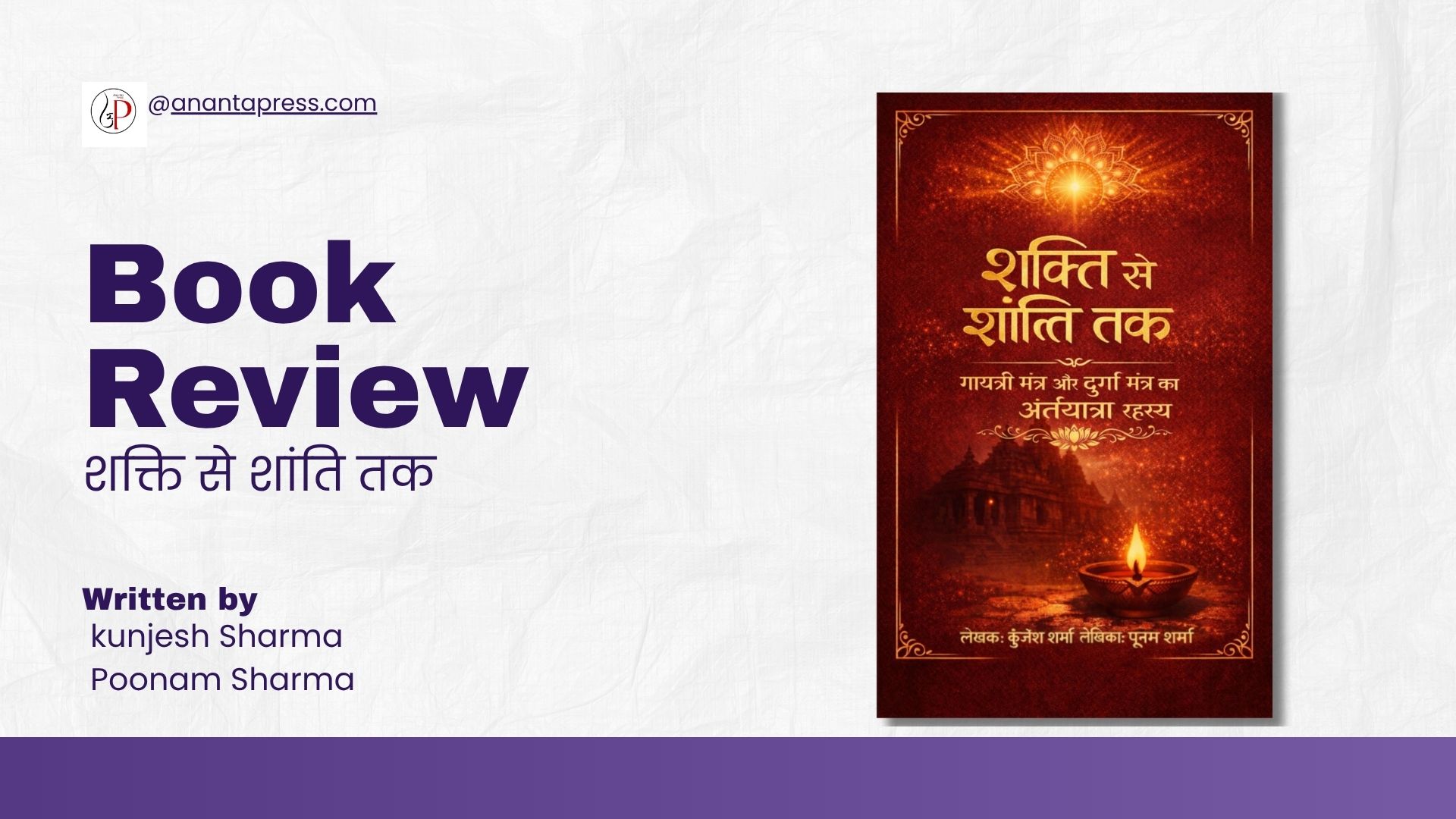
Finding Direction in Chaos: A Reflective Review of a Guide to Inner Clarity and Motivation
This book presents itself as a quiet yet powerful companion for those moments in life when everything appears to be in place, yet the mind remains restless and unsettled. It speaks directly to a universal human experience—the confusion, emotional fatigue, and persistent questioning that arise during difficult phases. With its simple premise, the book aims to offer not just answers, but a sense of direction and inner clarity. At its core, the book acknowledges a profound truth: that external success or stability does not always guarantee inner peace. It captures the emotional state of individuals who find themselves overwhelmed despite having “everything,” and who repeatedly ask themselves, “What should I do now?” This honest recognition of inner turmoil immediately makes the book relatable and relevant. What sets this work apart is its intention. The author does not position the book merely as something to be read, but as something to be felt. This emphasis suggests a deeper, more experiential approach—where the words are meant to resonate on an emotional level rather than simply provide intellectual guidance. The tone appears to be reflective, encouraging readers to pause, think, and reconnect with themselves. The book also functions as a source of motivation and renewal. It seeks to provide a new perspective during times of stagnation, offering encouragement to move forward even when the path seems unclear. Rather than overwhelming the reader with complex theories or heavy philosophy, it appears to focus on simplicity—delivering meaningful insights in a way that is accessible and easy to absorb. Another strength lies in its purpose-driven writing. The book is described as a “small but powerful effort,” which reflects humility while also hinting at its potential impact. It positions itself as a guiding light during uncertain times, offering clarity through carefully chosen words and thoughtful reflections. However, the effectiveness of such a book largely depends on the reader’s willingness to engage with it on a deeper level. Since it emphasizes feeling over analysis, its impact may vary from person to person. Those seeking quick solutions or structured methodologies might find it subtle, but readers open to introspection and emotional connection are likely to find it meaningful and uplifting. In conclusion, this book serves as a gentle yet impactful guide for anyone navigating confusion, restlessness, or emotional struggle. It reminds us that sometimes, all we need is the right perspective and a few sincere words to realign ourselves with life. More than just a motivational text, it is an invitation to pause, reflect, and rediscover the strength within—making it a valuable read for those seeking peace, clarity, and renewed purpose. Buy Now : https://www.amazon.in/Shakti-Se-Shanti-Tak-Antaryatra/dp/9378219314/
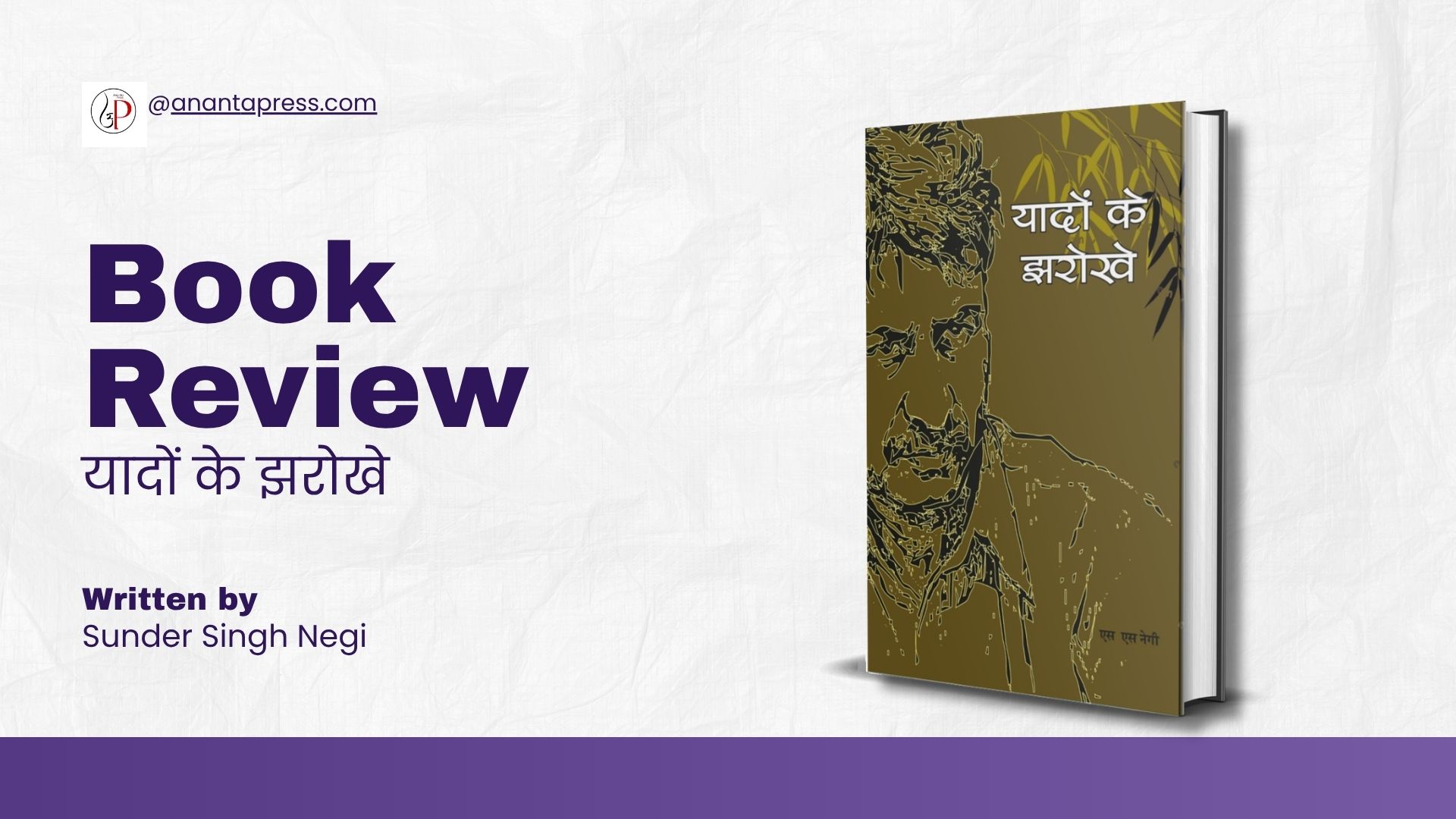
Echoes of a Life Lived: A Heartfelt Review of “Yaadon Ke Jharokhe”
“Yaadon Ke Jharokhe” is not merely a literary creation or a decorative arrangement of words—it is an honest reflection of lived experiences, emotions, and relationships that have shaped the author’s identity. The book stands as a deeply personal narrative, where memories are not just recalled but relived with sincerity and emotional depth. At its core, the book is a mirror of the author’s life, capturing moments that are both intimate and universally relatable. It brings forth stories of loved ones and the essence of relationships that leave a lasting imprint on one’s journey. The emotional anchor of the narrative lies in the portrayal of the author’s father—his silent struggles, sacrifices, and unspoken strength. What the author could not fully understand in childhood becomes, over time, the very foundation of this reflective work. This evolution of understanding adds a powerful emotional layer to the book. The narrative gracefully traces the passage of time—from the innocence and simplicity of childhood to the transformative years of college, and eventually to the demanding pace of professional life. Each phase is depicted not just as a stage of life, but as a period of learning, realization, and emotional growth. The author’s perspective matures with time, allowing readers to witness a gradual deepening of thought and sensitivity. One of the most compelling aspects of the book is its authenticity. The emotions are not exaggerated, nor are the experiences dramatized; instead, they are presented with quiet honesty. The “ink” of the book metaphorically carries the weight of changing surroundings and unspoken feelings that the author has preserved over a lifetime. This subtlety makes the narrative more impactful, as it resonates with readers who find echoes of their own lives within these pages. The language and tone appear to be simple yet evocative, making the book accessible while maintaining its emotional richness. It does not rely on complex storytelling techniques, but rather on the strength of genuine experience and heartfelt expression. In conclusion, “Yaadon Ke Jharokhe” is a touching and introspective work that celebrates memory, relationships, and personal growth. It reminds readers that life’s most meaningful stories often lie in the quiet moments and unspoken emotions we carry within us. This book is not just to be read—it is to be felt, making it a valuable addition for anyone who appreciates reflective and emotionally grounded writing.
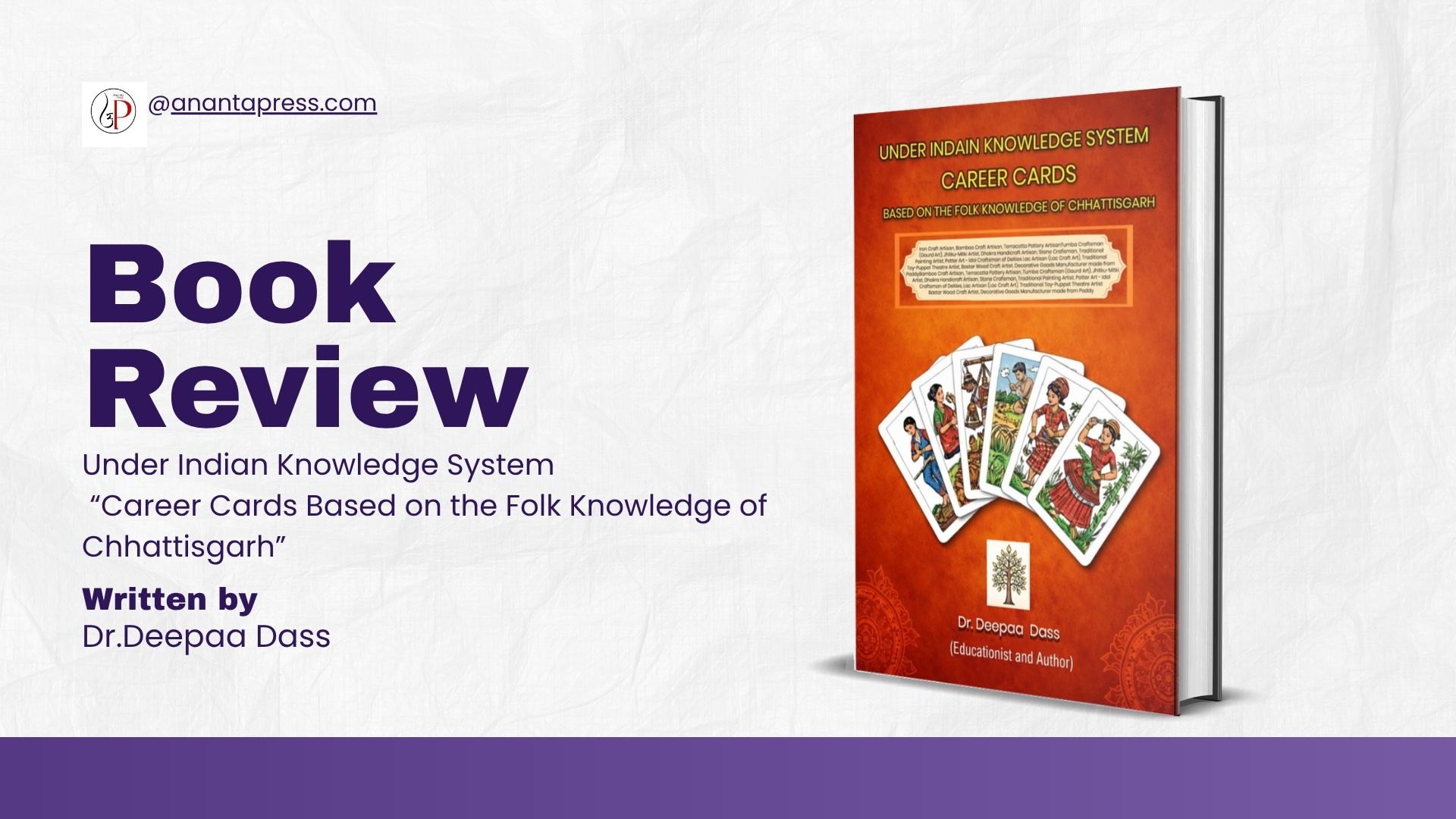
Bridging Tradition and Opportunity: A Thoughtful Review of “Career Cards Based on the Folk Knowledge of Chhattisgarh”
Introduction: Reimagining Career Guidance through Indigenous Knowledge “Career Cards Based on the Folk Knowledge of Chhattisgarh” stands out as a meaningful and forward-thinking contribution to the evolving landscape of education under the Indian Knowledge System. Rooted deeply in the concept of Lok Vidya—the lived wisdom, skills, and cultural practices of local communities—the book offers a refreshing shift from conventional career guidance by placing indigenous knowledge systems at the center of learning and livelihood. Structure and Practical Utility of the Career Cards At its core, the book presents 51 well-structured Career Cards, each dedicated to a traditional occupation drawn from the cultural fabric of Chhattisgarh. These range across arts, crafts, agriculture, music, and nature-based livelihoods. What makes this work particularly impactful is its practical approach: every card goes beyond mere description to include essential details such as required skills, educational pathways, training opportunities, income expectations, and possibilities for growth. This transforms the book from a cultural documentation into a functional career resource. Alignment with NEP 2020 and Educational Reforms One of the book’s strongest aspects is its alignment with the vision of the National Education Policy (NEP) 2020, especially its emphasis on experiential learning, skill development, and the integration of local knowledge into formal education. By doing so, the book addresses a critical gap—where traditional knowledge has often been undervalued or disconnected from mainstream academic and career frameworks. Here, that gap is thoughtfully bridged. Cultural Significance and Social Impact The book also carries a deeper social and cultural significance. It recognizes and validates the dignity of indigenous skills, encouraging respect for cultural identity while simultaneously opening doors to entrepreneurship and sustainable livelihoods. This dual focus—preservation and progress—makes it especially relevant in today’s context, where there is a growing need to balance modernization with cultural continuity. Credibility and Multi-Stakeholder Relevance The inclusion of insights and endorsements from scholars and officials further strengthens its credibility, positioning the work not just as an educational tool but as a policy-relevant resource. It has clear utility across multiple audiences: students seeking alternative career paths, educators aiming to contextualize learning, counselors guiding youth, and policymakers working toward inclusive development. Scope for Implementation and Practical Application That said, the book’s effectiveness will ultimately depend on how actively it is implemented within educational institutions and community programs. Its true potential lies in being used as a living document—integrated into classrooms, skill development initiatives, and local entrepreneurship ecosystems. Conclusion: A Bridge Between Heritage and Future In conclusion, “Career Cards Based on the Folk Knowledge of Chhattisgarh” is more than just a book—it is a bridge between heritage and future possibilities. It invites readers, especially the youth, to rediscover the value of their roots while equipping them with the knowledge to transform traditional skills into viable, dignified, and modern careers. Buy Now : https://www.amazon.in/Under-Indian-Knowledge-System-Career/dp/9378218652/

“Some love stories don’t end — they simply wait, quietly, between the pages of your story.”
Overview : In his poignant debut novel, Rithvick Karasala introduces us to Rithu — a young man navigating the quiet, ordinary rhythms of life until a single person rewrites everything he thought he knew about love. That person is Ria. What unfolds between them is not the loud, cinematic kind of romance; it is the gentle, almost imperceptible kind that seeps into your life through small moments, shared glances, and unspoken understandings — the kind that is hardest to recover from. He Found Her Between the Pages is a story about emotional awakening. Karasala resists the temptation to sensationalize heartbreak. Instead, he allows it to breathe — showing us how love can quietly dismantle a person and how healing arrives not in one dramatic moment, but in the slow, steady accumulation of days. Narrative & Writing Style : Karasala’s prose is introspective and tender. He writes in a voice that feels deeply personal — as though the book is less a novel and more a letter written to someone who will never read it. There is an intimacy to his sentences that draws the reader into Rithu’s world without fanfare. The structure is thoughtfully designed: the story moves between the warmth of what was and the quiet acceptance of what is. Karasala handles time with a poet’s sensibility — the past is not merely recalled, it lingers, the way a song can return you to a moment years gone. Readers who appreciate literary fiction that prioritizes emotional truth over dramatic plot will find much to cherish here. Where the writing truly shines is in its restraint. Karasala knows when to say less — a trait remarkably disciplined in a debut writer. The silences between his characters often speak louder than any dialogue he puts on the page. Characters : Rithu is a protagonist drawn with remarkable psychological honesty. His love for Ria is neither idealized nor tragic in a self-pitying way — it is simply real. We see him stumble, grow, and arrive eventually at a version of himself that is wiser, if a little more careful with his heart. Ria, though seen mostly through Rithu’s memory, is rendered with enough specificity to feel like a complete person rather than a symbol. She is not a muse — she is a presence that shaped a life. Buy Now : https://www.amazon.com/HE-FOUND-HER-BETWEEN-PAGES/dp/B0GVQ9CCMF/ref=sr_1_1

A Smart Companion for Exam Success: A Detailed Review of the Class 12 MP Board English Success Guide
This book positions itself as a comprehensive and practical “Success Guide” for Class 12 MP Board English students, and it largely succeeds in fulfilling that promise. Designed with a clear focus on exam preparation, the guide combines simplicity, structure, and strategic content to help students achieve better results in less time. Concept and Approach: Learning Made Simple One of the strongest aspects of this book is its student-friendly approach. The content is presented in simple and accessible language, ensuring that even complex chapters become easy to understand. The inclusion of English-to-Hindi summaries is particularly helpful for students who struggle with language barriers, allowing them to grasp concepts more effectively. This bilingual support enhances comprehension and builds confidence. Chapter-wise Clarity and Understanding Each chapter is carefully structured with clear summaries, character sketches, and message or theme explanations. This not only helps students understand the storyline but also encourages deeper thinking about the lesson behind each chapter. By focusing on both content and interpretation, the book ensures a well-rounded understanding rather than rote learning. Strong Focus on Examination Preparation The guide excels in its exam-oriented content. It includes Important and Most Important questions with answers written in simple language, making revision efficient and targeted. The addition of year-wise questions is a significant advantage, as it gives students insight into exam patterns and helps them prepare in a more focused manner. Comprehensive Writing Skills Section A major highlight of the book is its detailed coverage of Writing Skills. Formats such as Formal and Informal Letters, Notices, Articles, Posters, Speeches, Paragraphs, Essays, and Reports are explained with easy methods and practical tips. This section is especially valuable because writing skills often determine scoring potential in exams, and the book simplifies them effectively. Simplified Grammar for Better Accuracy Grammar, often seen as a challenging area, is presented in a clear and simplified manner. The structured explanations make it easier for students to understand rules and apply them correctly, improving both writing and overall language accuracy. Practice and Real Exam Experience The inclusion of 4 Practice Sets and 4 solved Previous Year Papers is a major strength. These resources provide students with a realistic exam experience, helping them manage time, understand question patterns, and build confidence. Regular practice through these sets can significantly improve performance. Overall Effectiveness and Utility This guide stands out as a reliable and efficient preparation tool for students aiming to score high marks in their English exams. Its combination of conceptual clarity, exam-focused material, and ample practice makes it suitable for both quick revision and in-depth preparation. Conclusion: A Reliable Path to Better Scores In conclusion, this Class 12 MP Board English Success Guide is a well-structured and highly practical resource for students. It simplifies learning, strengthens exam readiness, and boosts confidence through consistent practice. For students looking to maximize their marks with smart preparation, this book serves as an excellent and dependable companion. Buy Now : https://www.amazon.in/dp/9378217885/