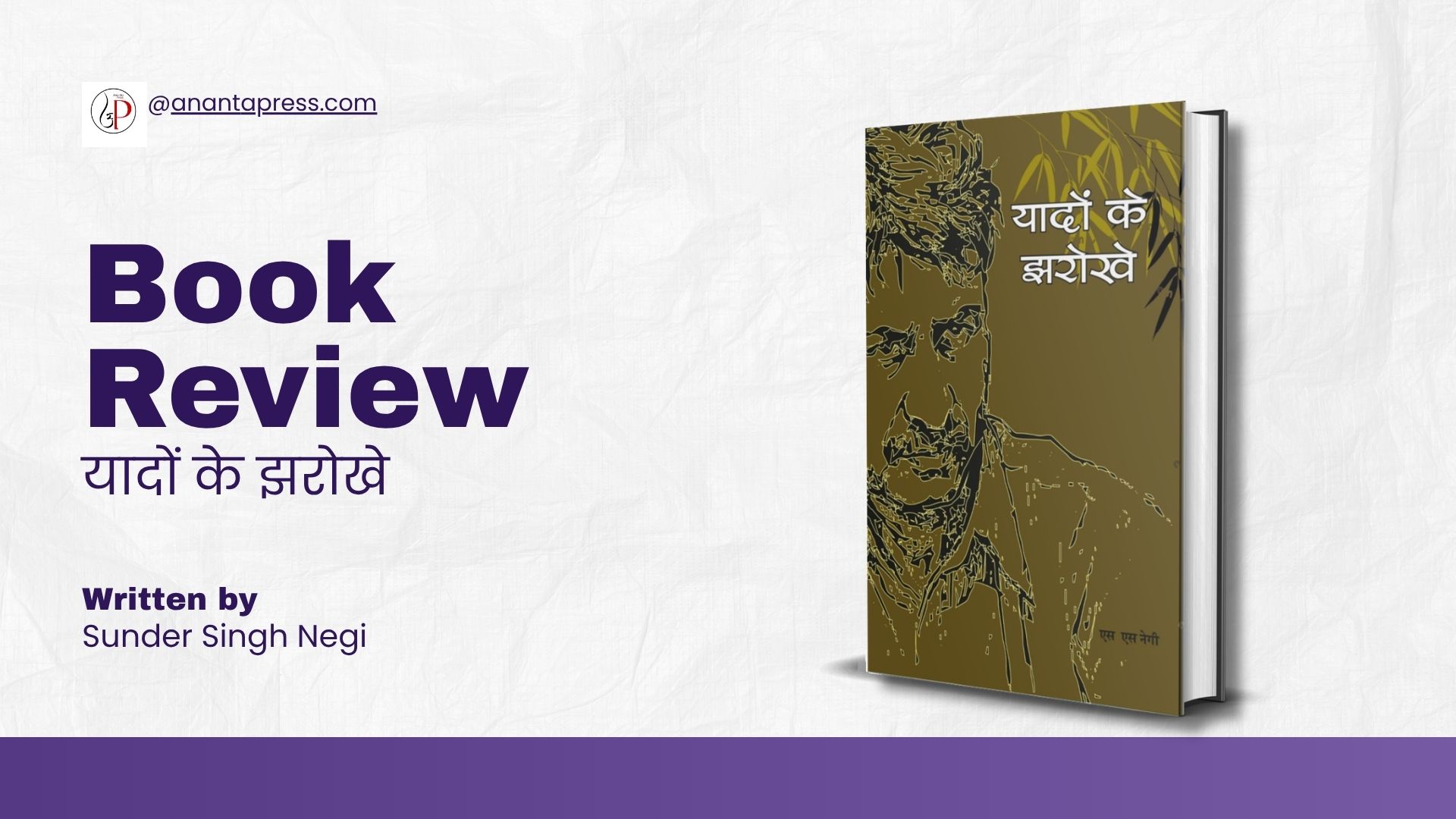
“Yaadon Ke Jharokhe” is not merely a literary creation or a decorative arrangement of words—it is an honest reflection of lived experiences, emotions, and relationships that have shaped the author’s identity. The book stands as a deeply personal narrative, where memories are not just recalled but relived with sincerity and emotional depth.
At its core, the book is a mirror of the author’s life, capturing moments that are both intimate and universally relatable. It brings forth stories of loved ones and the essence of relationships that leave a lasting imprint on one’s journey. The emotional anchor of the narrative lies in the portrayal of the author’s father—his silent struggles, sacrifices, and unspoken strength. What the author could not fully understand in childhood becomes, over time, the very foundation of this reflective work. This evolution of understanding adds a powerful emotional layer to the book.
The narrative gracefully traces the passage of time—from the innocence and simplicity of childhood to the transformative years of college, and eventually to the demanding pace of professional life. Each phase is depicted not just as a stage of life, but as a period of learning, realization, and emotional growth. The author’s perspective matures with time, allowing readers to witness a gradual deepening of thought and sensitivity.
One of the most compelling aspects of the book is its authenticity. The emotions are not exaggerated, nor are the experiences dramatized; instead, they are presented with quiet honesty. The “ink” of the book metaphorically carries the weight of changing surroundings and unspoken feelings that the author has preserved over a lifetime. This subtlety makes the narrative more impactful, as it resonates with readers who find echoes of their own lives within these pages.
The language and tone appear to be simple yet evocative, making the book accessible while maintaining its emotional richness. It does not rely on complex storytelling techniques, but rather on the strength of genuine experience and heartfelt expression.
In conclusion, “Yaadon Ke Jharokhe” is a touching and introspective work that celebrates memory, relationships, and personal growth. It reminds readers that life’s most meaningful stories often lie in the quiet moments and unspoken emotions we carry within us. This book is not just to be read—it is to be felt, making it a valuable addition for anyone who appreciates reflective and emotionally grounded writing.