
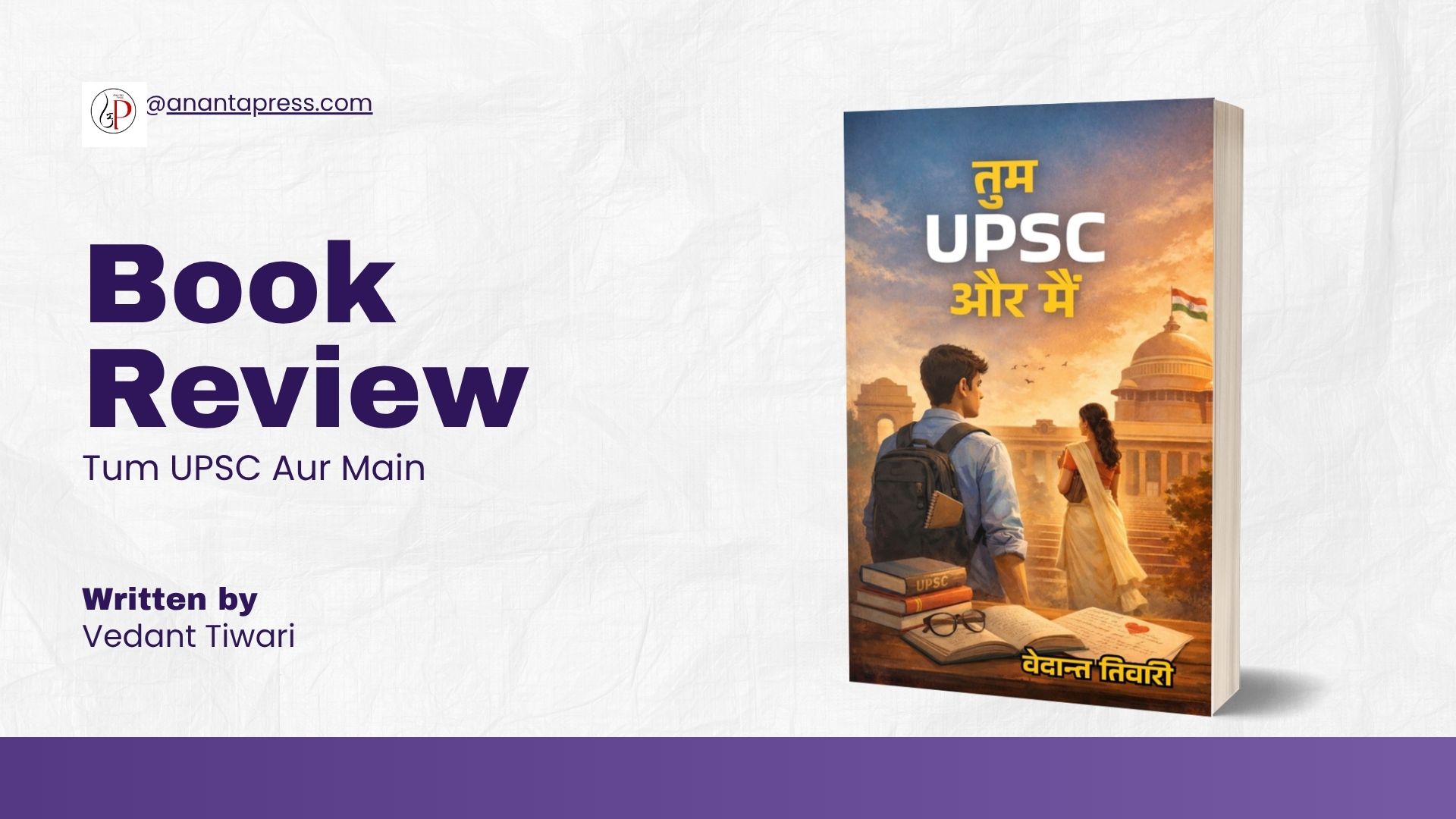
“Tum UPSC Aur Main” is not just a collection of poems or a simple narrative—it is an emotional journey that captures the inner world of a UPSC aspirant caught between ambition and love. Written by Vedant Tiwari, the book delicately blends poetry with storytelling, presenting a deeply relatable account of struggle, heartbreak, resilience, and self-discovery. At its core, the book explores the life of a young man preparing for one of India’s toughest examinations—the UPSC. However, rather than focusing on strategies or academic guidance, the author dives into the psychological and emotional realities of the journey. Through simple yet impactful language, the narrative reflects the silent battles faced by countless aspirants: fear of failure, societal pressure, loneliness, and the constant questioning of self-worth. One of the most compelling aspects of the book is its dual theme—ambition versus emotion. The protagonist is not only chasing a prestigious career but is also entangled in an incomplete love story. This emotional conflict adds depth to the narrative, making it more than just a story about exams. The love portrayed here is subtle, unexpressed, and ultimately unfulfilled, which mirrors the sacrifices many aspirants make in pursuit of their goals. The title itself symbolizes this divide—“You became UPSC, and I remained behind.” The writing style is simple, poetic, and highly evocative. Each chapter feels like a snapshot of a moment—sometimes a memory, sometimes a realization. The use of short poetic verses makes the reading experience immersive and emotionally engaging. The author does not rely on complex vocabulary; instead, he uses everyday language to create a strong emotional impact. This simplicity ensures that the story resonates with a wide audience, especially students and young readers. Another strength of the book is its realism. It does not romanticize success or glorify struggle unnecessarily. Instead, it presents an honest portrayal of failure, repeated attempts, and the emotional toll of chasing a dream that may or may not materialize. The protagonist’s journey—from hope to heartbreak, from failure to resilience—feels authentic and grounded. The book also subtly comments on societal expectations and systemic challenges. It raises questions about merit, fairness, and the unseen factors that influence success. Without being overly critical, it encourages readers to reflect on the broader realities of competitive exams and life itself. Perhaps the most powerful message of the book lies in its conclusion: life is not defined solely by success or failure. Even when dreams remain incomplete and love remains unfulfilled, the journey shapes one’s identity. The protagonist may not achieve everything he set out for, but he gains something equally important—self-awareness and inner strength. In conclusion, “Tum UPSC Aur Main” is a heartfelt and thought-provoking read. It is ideal for UPSC aspirants, students, and anyone who has ever struggled between following their dreams and managing their emotions. The book reminds us that sometimes, the most important victories are not visible to the world but are felt within.

Reclaiming the Forgotten Story of Netaji, the INA, and India’s North-East
History is rarely just a record of facts. More often, it is a battleground of narratives—some preserved, some erased, and some deliberately rewritten. The book Body (as presented in the uploaded manuscript) enters this contested terrain with a bold mission: to challenge the mainstream understanding of India’s freedom struggle and restore the overlooked role of Subhas Chandra Bose and the Indian National Army in the North-East theatre during the Second World War. From its opening chapter, “Busting the Myth,” the book makes its intention unmistakably clear. It argues that the popular framing of the INA’s military movement into India as merely a “Japanese invasion” is historically incomplete—and politically convenient. Instead, the author presents it as an armed liberation campaign, rooted in Indian nationalism and supported by local communities in the North-East. This is not a light read, nor is it written for casual consumption. It is dense, argumentative, and deeply invested in historical correction. But that is also what makes it compelling. A Different Lens on the Freedom Struggle Most Indians grow up learning about the independence movement through familiar pillars: Mahatma Gandhi, non-violence, civil disobedience, the Quit India movement, and constitutional negotiations. Bose’s role is acknowledged, but often framed as secondary—or controversial. This book pushes against that framework. Its strongest contribution lies in shifting the geographical and ideological center of the freedom struggle. Rather than Delhi, Kolkata, or Bombay, the story begins in Ruzazho village in Nagaland, which the author identifies as the first Indian village liberated from British rule by Bose-led INA forces in 1944. The vivid recounting of Bose appointing local administrators, interpreters, and village heads creates a striking image of an alternative government-in-action—not just an army passing through. This matters because it transforms the INA from symbol into statecraft. The author’s argument is simple but powerful: if Bose’s provisional government administered territory on Indian soil, then it deserves a larger place in India’s political memory. The Strength of Oral History One of the book’s most interesting methodological choices is its reliance on oral traditions, especially among Naga communities. In mainstream academic history, oral testimonies are often treated with caution. Here, they are central. The book explains how communities in Nagaland historically preserved events through spoken memory rather than written documentation. The author uses this tradition to reconstruct Bose’s presence, his interactions with villagers, and their support for INA soldiers. This is both the book’s strength and its challenge. On one hand, oral histories humanize history. They recover emotion, memory, and local agency. On the other hand, they raise inevitable questions about reliability and historical verification. To the author’s credit, the narrative does not rely solely on oral testimony. It supplements these accounts with newspaper references, military history, memoirs, and scholarly commentary. That layered approach gives the argument more credibility. Netaji as a Human Figure What stands out in the book is how Bose is portrayed—not as a distant icon, but as a present, active, charismatic leader. There are small but revealing details: his conversation with villagers, his insistence on sharing the same food as his soldiers, his gratitude toward tribal communities helping the INA. These moments build a picture of leadership rooted in discipline and equality. For readers used to the larger-than-life image of Netaji, this humanization is refreshing. It also helps explain why Bose inspired such loyalty. The book repeatedly reminds us that Bose’s appeal was not abstract patriotism. It was personal. He spoke directly to people. He delegated authority. He involved civilians in the freedom struggle. That participatory politics feels strikingly modern. Reframing the Battle of Kohima The chapters on the Battle of Kohima are among the strongest in the manuscript. Traditionally remembered as one of Britain’s greatest military victories in World War II, Kohima is usually narrated from the Allied perspective. This book asks: what about the INA side? It highlights the military coordination between Japanese and INA forces, emphasizing that the INA was not merely symbolic support but actively engaged in frontline combat. The author strongly rejects the British portrayal of the INA as “puppet soldiers” or logistical auxiliaries. This revisionist framing is persuasive because it points to a genuine gap in mainstream war histories. The battle becomes more than a military conflict; it becomes a tragic civil fracture—Indian soldiers in British uniform fighting Indian soldiers in the INA. That emotional dimension is one of the book’s most powerful insights. A Fierce Critique of Churchill and British Propaganda The author does not hide ideological positions. One recurring thread is the critique of Winston Churchill and British wartime propaganda. The book accuses British authorities of systematically misrepresenting Bose, the INA, and Japanese involvement to prevent mass Indian support for the liberation movement. This argument is compelling in parts, especially where the author contrasts official British narratives with local testimonies and Indian historical accounts. The critique of Churchill’s Bengal famine policies also connects the war narrative to the wider violence of empire. However, at times the book risks becoming overly prosecutorial. Historical analysis works best when it leaves room for complexity. Here, Churchill often appears less as a historical actor and more as a singular villain. The anger is understandable—but occasionally oversimplifies. The Japan Question Perhaps the most controversial dimension of Bose’s legacy is his alliance with Imperial Japan. The book handles this issue with surprising nuance. Rather than ignoring Japanese imperialism, the author argues that Bose treated the alliance pragmatically—a temporary partnership against British rule. The book repeatedly emphasizes that Bose insisted on INA autonomy, separate laws, independent currency, and exclusive Indian administration over liberated territories. This is an important intervention. It challenges the lazy assumption that anti-colonial alliances automatically implied ideological agreement. The book’s position is essentially realist: colonized nations sometimes ally with problematic powers to achieve freedom. Readers may disagree, but the argument is intellectually serious. Writing Style: Passion Over Precision Stylistically, the book feels less like academic history and more like political-historical advocacy. That has advantages. The prose is energetic, emotionally charged, and accessible. The author clearly cares deeply
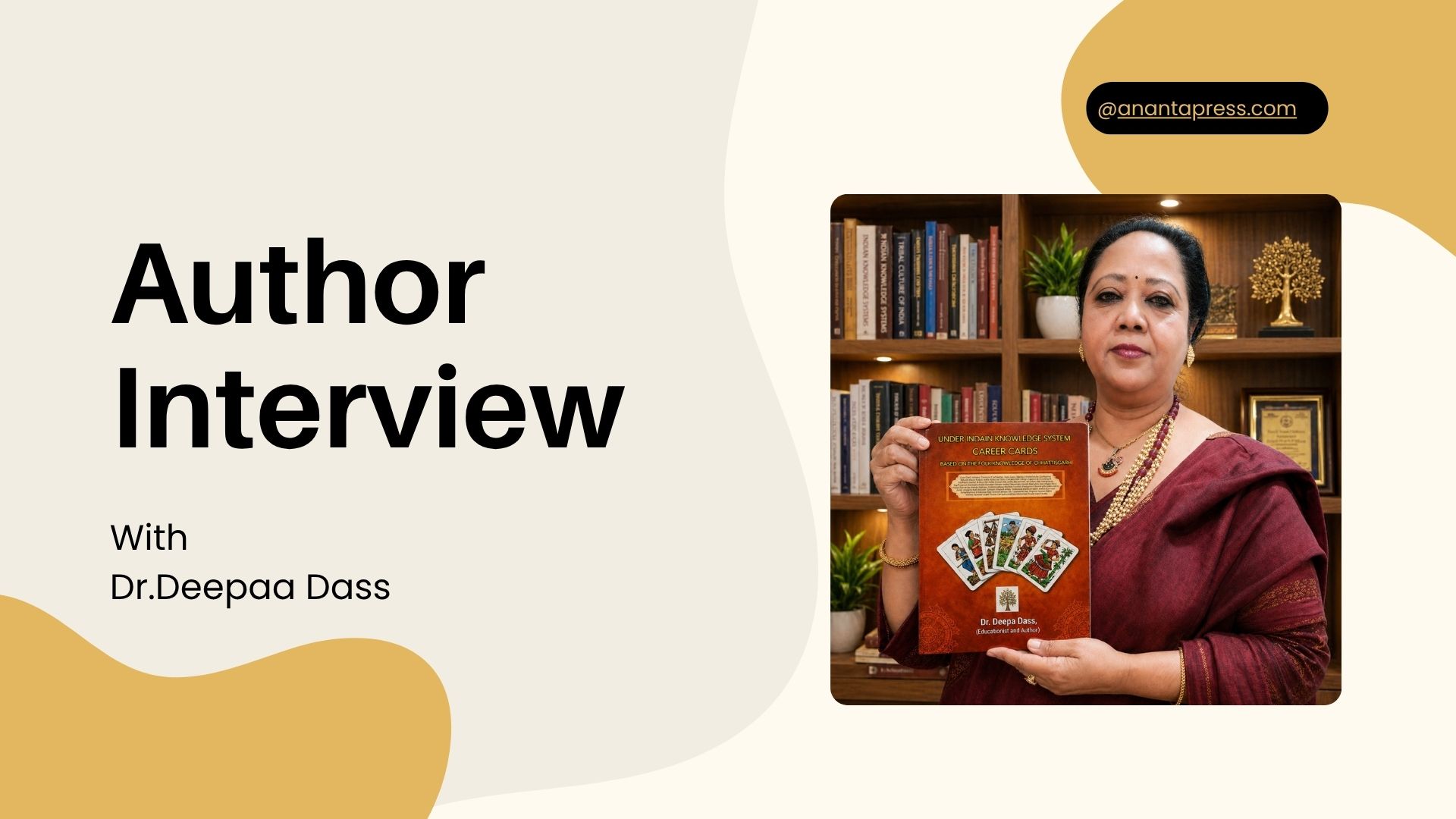
In Conversation with Dr. Deepaa Dass: Bridging Folk Wisdom and Future Careers
1. What inspired you to create Career Cards Based on the Folk Knowledge of Chhattisgarh, and what gap were you aiming to address? The inspiration behind Career Cards Based on the Folk Knowledge of Chhattisgarh emerged from a deep reflection on India’s indigenous systems of livelihood, skill transmission, and community-based professions. Traditionally, Indian occupational structures were closely aligned with local ecology, regional needs, and the availability of natural resources. These professions were not merely economic activities; they represented sustainable knowledge systems developed over generations. However, with rapid modernization, industrialization, and the dominance of formalized career pathways, many traditional occupations have either lost visibility or are gradually disappearing. At the same time, some of these crafts and trades are regaining relevance due to growing interest in sustainability, handmade production, cultural tourism, and ethical entrepreneurship. I observed a significant gap in career guidance systems where students are often exposed only to mainstream professions such as engineering, medicine, or corporate employment, while indigenous professions remain absent from formal educational discourse. In the era of Artificial Intelligence, where job structures are rapidly transforming, it becomes even more important to diversify our understanding of careers. AI can help document, preserve, and scale indigenous knowledge systems rather than replace them. The Career Cards were thus conceived as a pedagogical intervention to bridge this gap—to help students recognize traditional occupations as viable, dignified, and entrepreneurial career options while also contributing to the preservation of India’s cultural heritage. 2. How has your journey as an educationist and researcher influenced your focus on the Indian Knowledge System (IKS)? My journey as an educationist and researcher has consistently reinforced the understanding that education must remain rooted in cultural context and social relevance. Working closely with vocational education, teacher training, and curriculum development made me realize that many formal educational models often neglect the lived knowledge of communities. As I engaged with diverse learners and field-based educational settings, I found that traditional practices—whether in agriculture, weaving, metalwork, herbal medicine, or food systems—contained highly sophisticated forms of knowledge, problem-solving, and sustainability. These systems represent what we now recognize under the broader framework of the Indian Knowledge System (IKS). Research further strengthened this perspective by showing that indigenous knowledge is not “informal” in the sense of being lesser; rather, it is systematically developed, contextually tested, and socially validated. It reflects deep ecological intelligence and vocational wisdom. This realization shifted my academic focus toward integrating IKS into mainstream education so that students not only learn global competencies but also remain connected to their cultural and intellectual roots. Education should not produce alienation from one’s own heritage; instead, it should cultivate pride, continuity, and innovation grounded in tradition. 3. Why do you believe integrating Lok Vidya into modern education is essential for today’s students? Integrating Lok Vidya into modern education is essential because it restores the relationship between knowledge and lived reality. Lok Vidya, or people’s knowledge, is knowledge generated through experience, observation, and collective wisdom. It is practical, sustainable, and deeply contextual. Today’s students often receive education that is highly theoretical and disconnected from local realities. As a result, learning becomes abstract rather than transformative. Lok Vidya brings relevance to education by connecting students with their environment, culture, and community. It also supports experiential learning, skill development, and entrepreneurial thinking. For example, understanding traditional pottery, forest-based livelihoods, natural dyeing, or bamboo crafts introduces students to design thinking, sustainability, local economics, and resource optimization. In addition, Lok Vidya promotes dignity of labour and respect for traditional professions, which is crucial in addressing social hierarchies associated with manual work. It helps students understand that intelligence is not limited to textbook knowledge but is also embodied in craftsmanship, observation, and inherited expertise. Therefore, integrating Lok Vidya is not about returning to the past; it is about creating a more inclusive, meaningful, and future-ready education system. 4. How did you identify and select the 51 traditional careers featured in the book? The identification of the 51 traditional careers was based on a combination of field observation, community interaction, local occupational mapping, and educational relevance. The primary criterion was that each profession should represent a meaningful component of Chhattisgarh’s folk knowledge system and still retain cultural or economic significance. I focused on occupations that have historically contributed to community life—such as weaving, pottery, blacksmithing, bamboo work, herbal healing, folk performance, forest produce processing, and traditional food systems. These were selected not only for their historical value but also for their contemporary potential in entrepreneurship and livelihood generation. Another important factor was accessibility and relatability for students. The selected careers needed to be understandable and inspiring for young learners, especially those from rural and semi-urban backgrounds who may already have some connection to these occupations through family or community. I also considered the possibility of modernization and scalability. Some professions have strong potential for revival through digital platforms, design innovation, tourism, and market linkages. Thus, the final selection balanced heritage preservation with future employability. 5. Could you share your process of developing each Career Card and ensuring its practical relevance? Each Career Card was designed as both an informational and motivational learning tool. The process began with understanding the occupation in its social, economic, and cultural dimensions. This involved documenting the nature of work, required skills, traditional knowledge involved, tools and materials used, and its relevance in present-day contexts. I then structured each card to make it student-friendly and pedagogically useful. The card included key elements such as the career title, nature of work, traditional significance, required competencies, entrepreneurial possibilities, sustainability value, and pathways for skill enhancement. Practical relevance was ensured by linking each occupation with contemporary opportunities. For example, traditional weaving was connected with textile entrepreneurship, pottery with eco-friendly product design, and herbal knowledge with wellness industries. This helped reposition traditional work as a modern livelihood option rather than merely a cultural artifact. The cards were also aligned with vocational education principles so that teachers could use them in classrooms for career counseling, project-based learning, and skill exploration.

In Conversation with the Rithvick Karasala : A Journey Through Love, Loss, and Unforgettable Memories
1. What inspired you to write this deeply emotional story of Rithu and Ria? Honestly… it came from observing how people love. Not just the happy part, but the part where love stays even after people leave. I’ve seen how memories don’t disappear, they just become quieter. This story is my way of expressing that kind of love — the one that doesn’t end, even when life moves on. 2. The line “Some love stories don’t end, they simply wait…” is very powerful—what does it mean to you personally? To me, it means that not every love story needs closure. Some stories pause… not because they are over, but because life took a different turn. The feelings stay, the memories stay… they just wait silently somewhere inside us. 3. How did you develop the character of Rithu, especially his transformation over the years? Rithu is not perfect — and that was intentional. I wanted him to grow the way real people do… through mistakes, loss, and realization. His transformation is not sudden, it’s slow and painful — just like real life. He learns that success doesn’t fill emotional gaps. 4. Ria plays a central yet subtle role—what does her character represent in the story? Ria represents that one person in life who changes everything… even if they don’t stay forever. She’s not just a character — she’s a feeling. She represents love that is pure, simple, and unforgettable. 5. The book explores love that doesn’t last but still leaves a lasting impact. What message did you want readers to take from this? Not every love story is meant to last forever… but that doesn’t make it less meaningful. Some people come into our lives to change us, not to stay with us. And that’s okay. 6. How do themes like heartbreak, growth, and self-discovery connect with your own experiences or observations? I think everyone has gone through some version of heartbreak. It doesn’t always break you… sometimes it shapes you. Growth often comes from pain, and self-discovery happens when you sit alone with your thoughts. This story reflects those silent phases of life. 7. Why did you choose to portray success and stability as incomplete without emotional fulfillment? Because that’s the truth many people realize too late. You can have everything — career, money, stability… but if your heart feels empty, something will always feel missing. Emotional fulfillment is not optional, it’s essential. 8. The storytelling feels reflective and nostalgic—was that a conscious narrative choice? Yes, completely. I wanted readers to feel like they’re not just reading a story… but remembering something from their own life. Nostalgia connects deeply with emotions, and that was the tone I wanted throughout the book. 9. What challenges did you face while writing such an emotionally layered story? The biggest challenge was staying honest. It’s easy to write fiction, but it’s hard to write emotions that feel real. Sometimes I had to pause because certain parts felt too personal… but I knew that honesty is what would connect with readers. 10. If readers take away one feeling or thought after finishing your book, what would you want it to be? I want them to feel… that love is never wasted. Even if it doesn’t last, even if it hurts — it still shapes who we become. And maybe… just maybe… some stories don’t end, they simply wait.
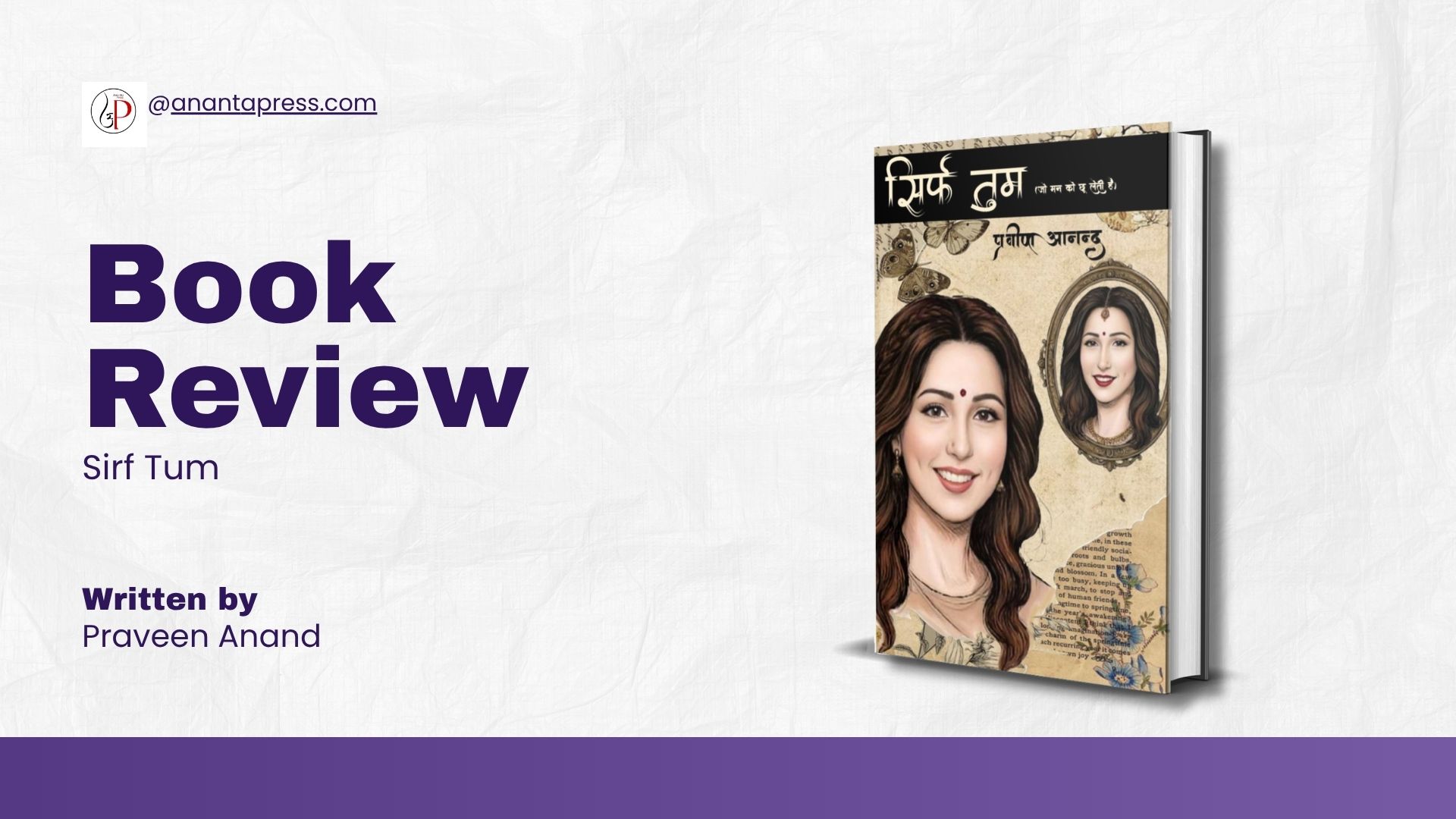
“Sirf Tum” — A Heartfelt Bilingual Collection of Emotions and Simplicity
Introduction: Poetry that Speaks to the Soul Sirf Tum is a beautifully crafted collection of 51 poems that gently explore human emotions in their purest form. Written in both Hindi and English, the book stands out for its accessibility and emotional depth. The poems are composed in simple language, yet they carry a profound ability to touch the reader’s heart, making the collection appealing to a wide audience. A Unique Bilingual Experience One of the most distinctive aspects of Sirf Tum is its bilingual format. Each poem is presented in both Hindi and English, allowing readers from different linguistic backgrounds to connect with the work. This dual-language approach not only broadens the book’s reach but also enhances the emotional resonance, as readers can experience the same sentiment through two expressive mediums. Themes: Love, Emotion, and Human Connection The poems revolve around universal themes such as love, longing, relationships, and inner feelings. Rather than relying on complex metaphors or heavy literary devices, the poet uses simplicity as a strength. Each poem feels personal and relatable, as if it reflects everyday emotions that readers themselves have experienced but may not have been able to express. Writing Style: Simplicity with Depth The language of the book is intentionally simple, making it easy to read and understand. However, this simplicity does not diminish its impact. On the contrary, it enhances the emotional clarity of the poems. The words flow naturally, creating a soothing and reflective reading experience. The poems are short yet meaningful, leaving a lasting impression without overwhelming the reader. About the Author: A Versatile Literary Journey Praveen Anand brings a rich and diverse background to this collection. Serving as a Deputy Commissioner in the Rural Development Department of the Uttar Pradesh Government, he balances administrative responsibilities with a strong passion for writing. His literary journey began with stories like Mukta and Meri Saheli, followed by several notable books including I Love You More Than Anyone Else, Mars, Love and Breakup, Mumtaz and Tajmahal, and Acid: Why I Was Acid Attacked, some of which gained bestseller status on Kindle. His historical work Rani Durgavati—Who Never Lost a War, Till She Was Alive (2025) further established his versatility as a writer. Sirf Tum marks his first dedicated poetry collection, showcasing a new dimension of his creative expression. Strengths of the Book Areas for Improvement Conclusion: A Gentle Yet Powerful Poetic Expression Sirf Tum is a collection that proves poetry does not need complexity to be meaningful. Its strength lies in its honesty, simplicity, and emotional connection. Whether you are a seasoned poetry reader or someone new to the genre, this book offers a comforting and heartfelt experience. It is a perfect read for those who appreciate subtle emotions, simple words, and poetry that quietly lingers in the heart.
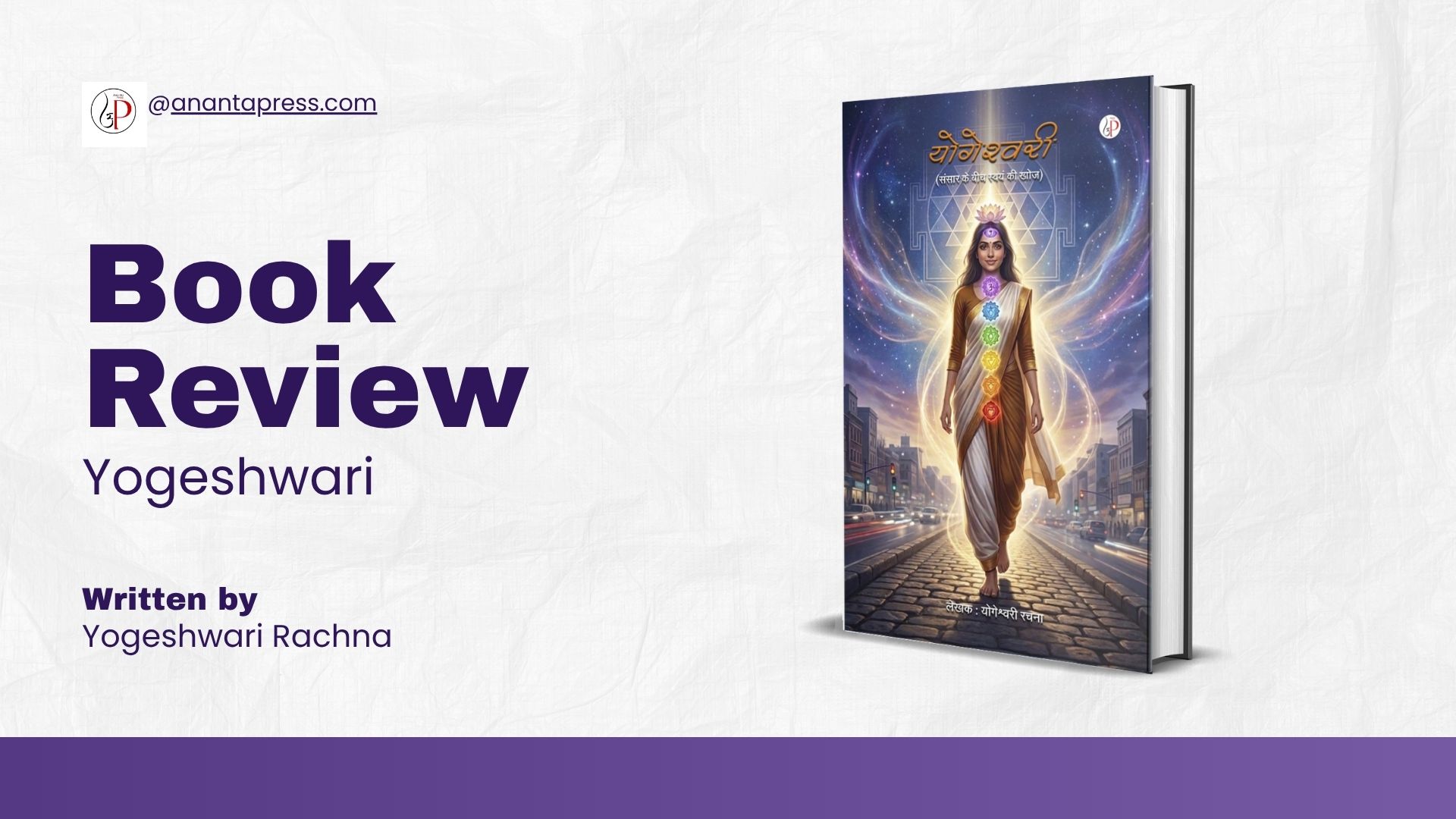
कौमुदी से योगेश्वरी: जागरण, शक्ति और परम रूपांतरण की अद्भुत यात्रा
यह पुस्तक एक साधारण जीवन से असाधारण आध्यात्मिक ऊँचाइयों तक की यात्रा का जीवंत और प्रेरणादायक दस्तावेज है। ‘कौमुदी’ से ‘योगेश्वरी’ बनने की यह कथा केवल एक व्यक्ति की आत्मकथा नहीं, बल्कि समूची मानव चेतना की संभावनाओं का उद्घाटन है। यह पुस्तक पाठक को न केवल एक स्त्री साधक के संघर्ष, समर्पण और साधना से परिचित कराती है, बल्कि यह भी सिद्ध करती है कि आध्यात्मिक उत्कर्ष किसी विशेष वर्ग, लिंग या परिस्थिति का मोहताज नहीं होता। पुस्तक की सबसे बड़ी विशेषता इसकी सादगी और प्रामाणिकता है। लेखक ने कथा को किसी काल्पनिक अलंकरण या अतिशयोक्ति के सहारे प्रस्तुत नहीं किया है, बल्कि इसे एक वास्तविक साधना-यात्रा के रूप में सामने रखा है। ‘कौमुदी’ का प्रारंभिक जीवन एक सामान्य गृहस्थ स्त्री का जीवन है—जिम्मेदारियों से भरा, सीमाओं से बंधा और समाज के परंपरागत ढाँचों में बसा हुआ। लेकिन इसी साधारणता के भीतर एक असाधारण जिज्ञासा और आत्म-बोध की चाह धीरे-धीरे जन्म लेती है। यही जिज्ञासा उसे साधना के मार्ग पर अग्रसर करती है। पुस्तक में यह बहुत प्रभावशाली ढंग से दर्शाया गया है कि आध्यात्मिक यात्रा किसी बाहरी परिवर्तन से नहीं, बल्कि भीतर की जागृति से प्रारंभ होती है। कौमुदी के भीतर उठने वाले प्रश्न—“मैं कौन हूँ?”, “जीवन का उद्देश्य क्या है?”—उसे सामान्य जीवन से आगे बढ़ने के लिए प्रेरित करते हैं। यही प्रश्न उसे साधना के कठोर पथ की ओर ले जाते हैं, जहाँ उसे अनेक मानसिक, भावनात्मक और आध्यात्मिक चुनौतियों का सामना करना पड़ता है। लेखक ने साधना के विभिन्न चरणों का बहुत सूक्ष्म और गहन वर्णन किया है। यह केवल ध्यान या योग की बाहरी प्रक्रिया नहीं है, बल्कि यह आत्मा के स्तर पर होने वाले परिवर्तन का विस्तृत चित्रण है। साधना के दौरान आने वाली कठिनाइयाँ—संशय, भय, एकाकीपन, और आंतरिक संघर्ष—इन सबका यथार्थ चित्रण इस पुस्तक को अत्यंत विश्वसनीय बनाता है। यह पाठक को यह समझने में मदद करता है कि आध्यात्मिक मार्ग सरल नहीं है, लेकिन यह अत्यंत फलदायी और परिवर्तनकारी अवश्य है। ‘योगेश्वरी’ के रूप में कौमुदी का रूपांतरण इस पुस्तक का चरम बिंदु है। यह परिवर्तन किसी चमत्कार का परिणाम नहीं, बल्कि वर्षों की कठोर साधना, अनुशासन और गुरु-कृपा का फल है। यहाँ लेखक ने यह स्पष्ट किया है कि गुरु की भूमिका आध्यात्मिक यात्रा में कितनी महत्वपूर्ण होती है। कर्नल टी. श्रीनिवासुलू (सेवानिवृत्त) के मार्गदर्शन और उनकी सूक्ष्म उपस्थिति को जिस श्रद्धा और गहराई से प्रस्तुत किया गया है, वह गुरु-शिष्य परंपरा की गरिमा को दर्शाता है। पुस्तक में ‘तारकेश्वर सिद्ध महायोग फाउंडेशन’ का वर्णन भी अत्यंत प्रेरणादायक है। यह केवल एक आश्रम नहीं, बल्कि एक जीवंत आध्यात्मिक केंद्र के रूप में उभरकर सामने आता है, जहाँ साधकों को आत्म-जागरण का अवसर मिलता है। यहाँ दी जाने वाली ‘शक्तिपात’ दीक्षा को जिस प्रकार से समझाया गया है, वह पाठक के लिए एक नई आध्यात्मिक अवधारणा का द्वार खोलता है। शक्तिपात को केवल एक अनुष्ठान के रूप में नहीं, बल्कि एक ऊर्जा-परिवर्तन की प्रक्रिया के रूप में प्रस्तुत किया गया है, जो साधक के भीतर सुप्त चेतना को जागृत करती है। इस पुस्तक का एक अत्यंत महत्वपूर्ण पहलू यह है कि यह स्त्री-शक्ति को एक नए दृष्टिकोण से प्रस्तुत करती है। समाज में अक्सर यह धारणा रही है कि गृहस्थ जीवन और आध्यात्मिक साधना एक साथ संभव नहीं हैं, विशेषकर महिलाओं के लिए। लेकिन यह पुस्तक इस मिथक को पूरी तरह तोड़ देती है। ‘योगेश्वरी’ का जीवन इस बात का सशक्त उदाहरण है कि एक स्त्री अपनी पारिवारिक जिम्मेदारियों का निर्वाह करते हुए भी उच्चतम आध्यात्मिक अवस्था को प्राप्त कर सकती है। भाषा की दृष्टि से भी यह पुस्तक अत्यंत प्रभावशाली है। लेखक की शैली सरल, प्रवाहमयी और भावपूर्ण है, जो पाठक को कहानी के साथ जोड़कर रखती है। कहीं भी भाषा बोझिल या जटिल नहीं लगती, बल्कि यह सहज रूप से पाठक के मन में उतरती चली जाती है। आध्यात्मिक विषयों को भी लेखक ने इस प्रकार प्रस्तुत किया है कि वे आम पाठक के लिए भी समझने योग्य बन जाते हैं। हालाँकि, कुछ स्थानों पर पुस्तक में आध्यात्मिक अवधारणाओं का विस्तार और भी अधिक किया जा सकता था, जिससे नए पाठकों को गहराई से समझने में और सहायता मिलती। लेकिन यह कमी पुस्तक के समग्र प्रभाव को कम नहीं करती, बल्कि यह पाठक को स्वयं खोज करने और आगे बढ़ने के लिए प्रेरित करती है। पुस्तक का भावनात्मक पक्ष भी अत्यंत सशक्त है। कौमुदी के संघर्ष, उसके आंतरिक द्वंद्व, और अंततः उसकी आत्म-प्राप्ति—इन सबका वर्णन पाठक के हृदय को स्पर्श करता है। कई स्थानों पर यह कथा केवल एक आध्यात्मिक यात्रा नहीं, बल्कि एक मानवीय संवेदना की कहानी बन जाती है, जो पाठक को अपने जीवन के बारे में सोचने पर मजबूर करती है। अंततः, यह पुस्तक केवल पढ़ने के लिए नहीं, बल्कि अनुभव करने के लिए है। यह एक ऐसी यात्रा है जो पाठक को अपने भीतर झाँकने के लिए प्रेरित करती है। यह सिखाती है कि आध्यात्मिकता कोई दूर की या दुर्लभ चीज नहीं है, बल्कि यह हमारे भीतर ही निहित है—बस उसे पहचानने और जागृत करने की आवश्यकता है। कुल मिलाकर, यह पुस्तक आध्यात्मिक साहित्य में एक महत्वपूर्ण योगदान है। यह न केवल साधकों के लिए, बल्कि उन सभी के लिए उपयोगी है जो जीवन के गहरे अर्थ की खोज में हैं। ‘कौमुदी’ से ‘योगेश्वरी’ बनने की यह यात्रा हमें यह विश्वास दिलाती है कि यदि संकल्प अटल हो और मार्गदर्शन सही हो, तो कोई भी व्यक्ति अपने जीवन को एक उच्चतर उद्देश्य की ओर ले जा सकता है। यह पुस्तक एक प्रेरणा है, एक मार्गदर्शन है, और सबसे बढ़कर—यह एक जीवंत प्रमाण है कि मानव जीवन में असंभव कुछ भी नहीं है।
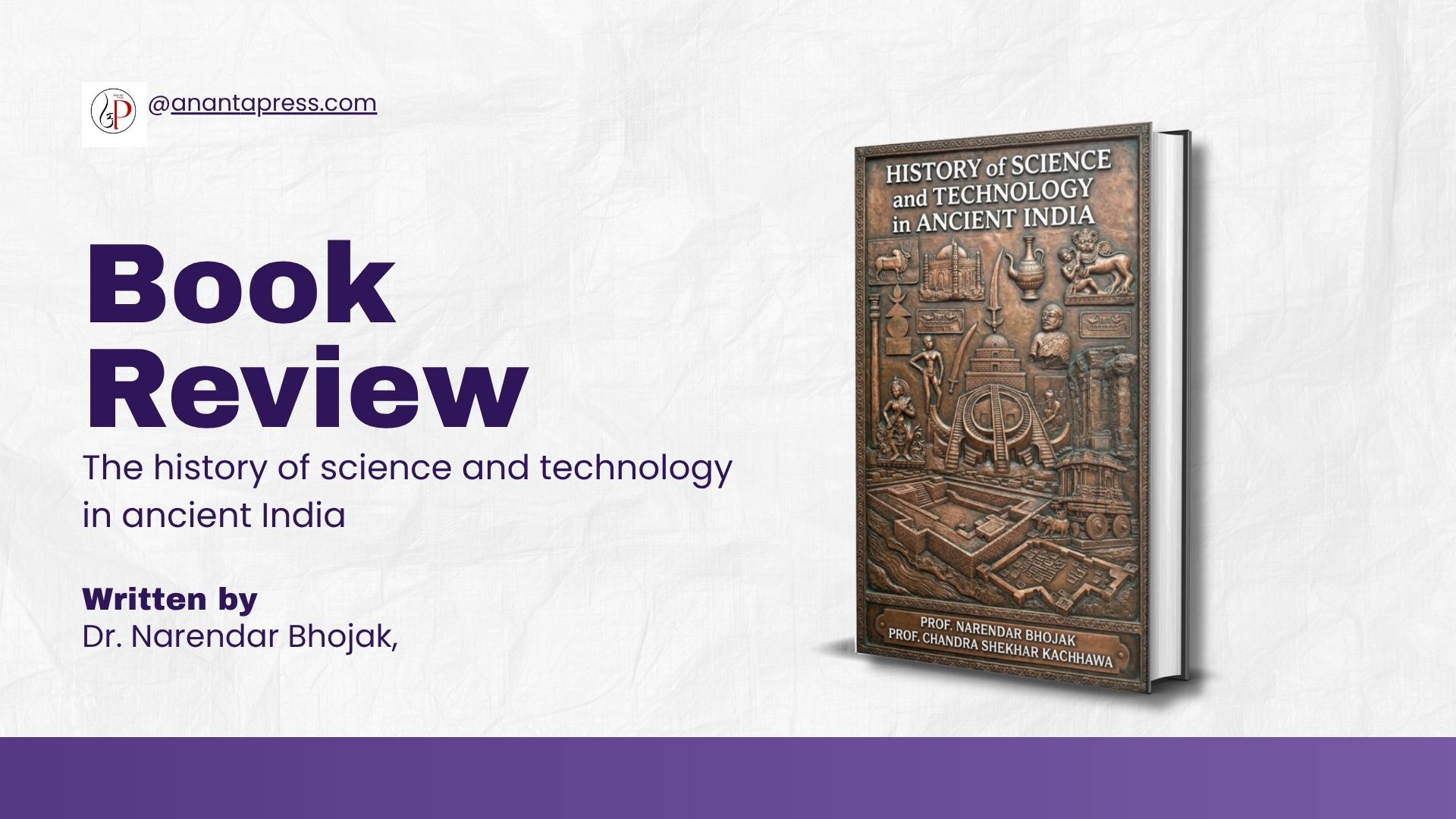
Science and Technology in Ancient India — A Legacy of Intellectual Brilliance and Innovation
Introduction: Rediscovering an Ancient Knowledge Tradition This book offers a rich and comprehensive exploration of the history of science and technology in ancient India, presenting it as one of the most influential intellectual traditions in world civilization. Covering a vast timeline—from the Vedic period to the early medieval era—it highlights how early Indian scholars combined observation, reasoning, and practical application to build systems of knowledge that supported both society and culture. Philosophical Foundations: Knowledge Rooted in Tradition A key strength of the book lies in its exploration of the philosophical roots of scientific thought. Drawing from ancient Sanskrit literature such as the Vedas and the Vedangas, the text shows how early frameworks of learning were deeply interconnected with spirituality and logic. These texts were not merely religious but also intellectual resources that laid the groundwork for systematic inquiry and disciplined thinking. Mathematics and Astronomy: Pioneering Global Concepts The book excels in explaining India’s groundbreaking contributions to mathematics and astronomy. It discusses the development of the decimal place-value system and the revolutionary concept of zero, which reshaped global mathematics. It also highlights the work of eminent scholars such as Aryabhata, Varahamihira, and Brahmagupta. Their sophisticated methods for planetary calculations, eclipse prediction, and calendar systems demonstrate a high level of scientific precision and analytical thinking that was far ahead of its time. Medicine and Health Sciences: Advanced Healing Systems Another remarkable section of the book focuses on ancient Indian medicine. Classical texts like the Charaka Samhita and the Sushruta Samhita reveal detailed knowledge of anatomy, pharmacology, surgery, and preventive healthcare. The book effectively shows how these systems were not only advanced but also holistic, emphasizing balance, lifestyle, and long-term well-being—principles that continue to influence modern alternative medicine. Engineering, Metallurgy, and Architecture: Practical Innovation The narrative extends beyond theory to highlight technological achievements. The discussion on metallurgy—especially the production of high-quality iron and steel—demonstrates the technical expertise of ancient craftsmen. Architectural knowledge, guided by principles found in Vastu Shastra, reflects a deep integration of geometry, engineering, and aesthetics. Urban planning, construction techniques, and agricultural advancements further illustrate how science was applied in everyday life. Centers of Learning and Knowledge Transmission The book also sheds light on how knowledge was preserved and transmitted. It explores the Gurukula system and renowned ancient universities such as Takshashila and Nalanda University. These institutions played a crucial role in nurturing intellectual growth and spreading knowledge across regions. Strengths of the Book Areas for Improvement Conclusion: A Timeless Contribution to Global Knowledge This book successfully presents ancient India as a center of scientific innovation and intellectual rigor. It moves beyond myths and presents an evidence-based narrative that highlights genuine contributions to global knowledge systems. By bridging history, philosophy, and science, the book not only informs but also inspires readers to appreciate the depth and relevance of ancient Indian wisdom in today’s world.
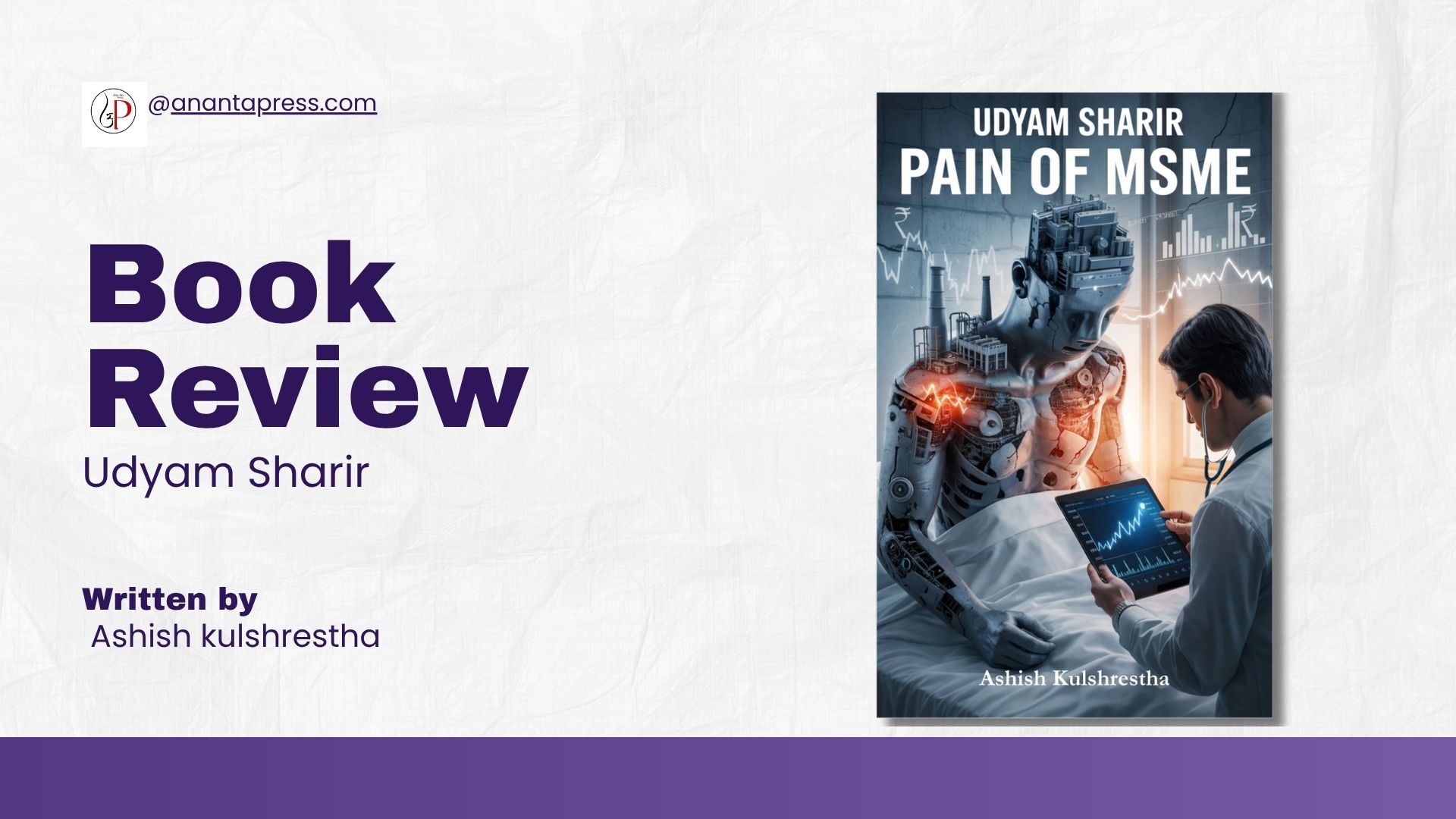
Udyam Sharir — Rethinking Business as a Living System
Introduction: A Fresh Perspective on Business Health Udyam Sharir introduces a compelling and practical way of understanding businesses—by comparing them to a living human body. This unique analogy forms the backbone of the book, making complex business concepts easier to grasp and apply. Instead of treating organizations as rigid systems, the book encourages readers to view them as dynamic entities that require care, attention, and continuous improvement. Core Concept: Business as a Living Body At the heart of Udyam Sharir lies the idea that every business functions like a human body. Just as the body needs regular check-ups, diagnosis, and preventive care, a business too must undergo constant evaluation. Problems such as poor cash flow, inefficient processes, compliance issues, and low productivity are presented as “diseases” that can weaken the organization if ignored. This analogy is not just creative—it is highly practical. It allows entrepreneurs and managers to identify problems early, understand their root causes, and take corrective actions before they escalate into major crises. Practical Frameworks for Diagnosis and Treatment One of the book’s strongest aspects is its structured approach to solving business problems. It goes beyond theory and provides actionable methods, including: These tools act as “treatment plans” that help restore and maintain the health of the business. Real-World Relevance and Industry Insights The book draws from real-life industry experience, making its insights both credible and applicable. It does not rely on abstract theories but focuses on practical challenges that businesses face daily. This makes it particularly useful for entrepreneurs, small business owners, and managers who are looking for realistic and implementable solutions. Writing Style: Simple, Clear, and Engaging The language of Udyam Sharir is straightforward and easy to understand. Complex management ideas are explained through simple analogies and clear frameworks, making the book accessible even to readers without a formal business background. The engaging style ensures that readers remain connected to the content while gaining valuable knowledge. Strengths of the Book Areas for Improvement While the book is insightful, it could be further enhanced by: Conclusion: A Guide to Building Healthy Businesses Udyam Sharir is more than just a business book—it is a mindset shift. It teaches readers to treat their organizations with the same care and attention as a living body. By adopting this approach, entrepreneurs can build resilient, efficient, and high-performing businesses. For anyone looking to understand business challenges in a simple yet powerful way, this book offers a clear roadmap toward sustainable success.
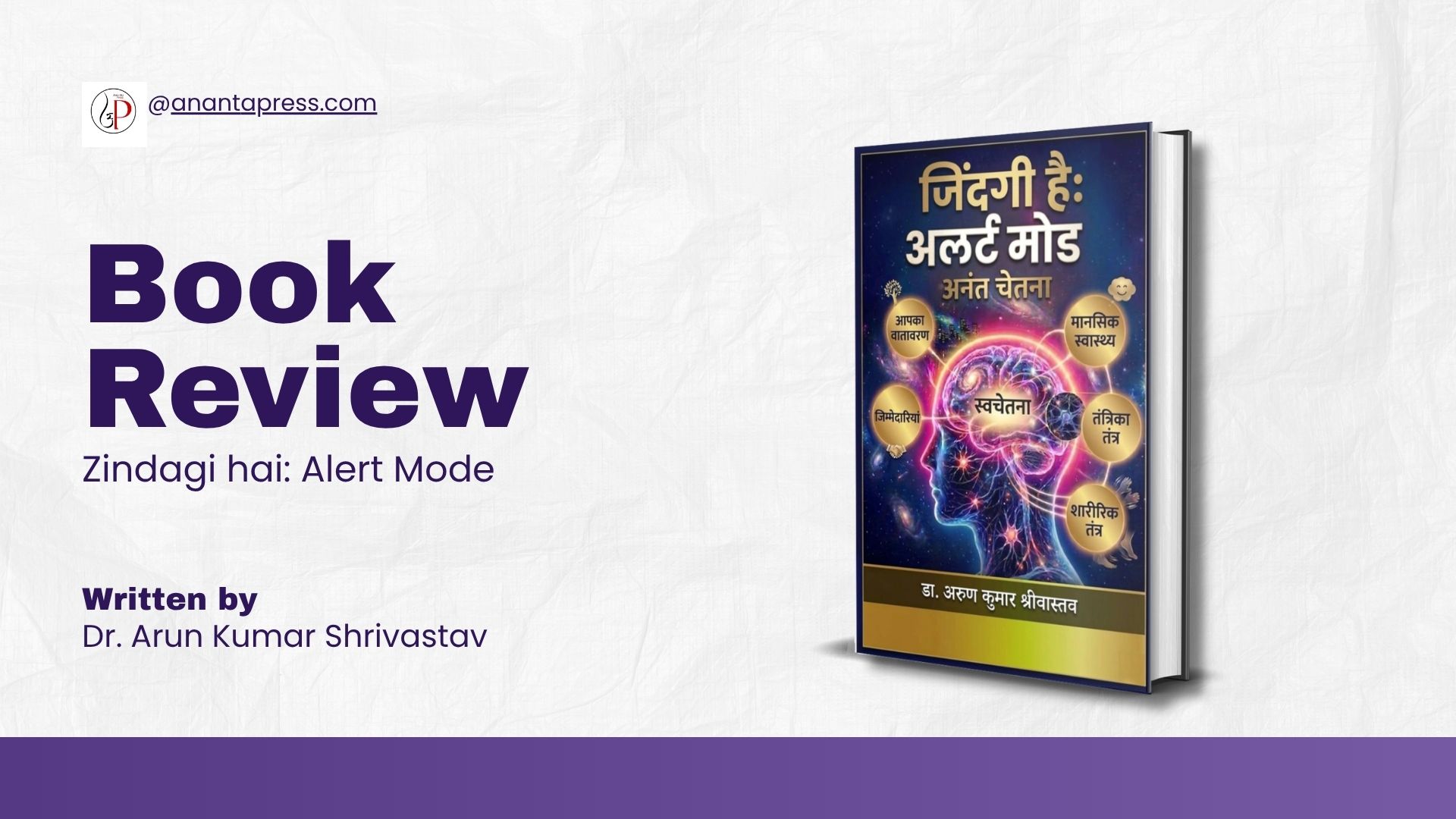
Zindagi Hai: Alert Mode — A Practical Philosophy for Conscious Living
Introduction: A Book Rooted in Awareness Zindagi Hai: Alert Mode by Dr. Arun Kumar Shrivastav is a thought-provoking work that blends practical life guidance with philosophical insight. Written in simple and engaging Hindi, the book is accessible to a wide range of readers, from young learners to mature thinkers. Dr. Shrivastav, a sociologist, spiritual thinker, legal expert, and motivational speaker, brings his vast experience into this work, making it both insightful and relatable. Core Theme: Living Life in “Alert Mode” The central idea of the book revolves around the concept of “Alert Mode.” According to the author, a person who lives life with awareness, attentiveness, and consciousness is better equipped to achieve goals and navigate challenges. This is not merely about being cautious, but about being mentally present, emotionally balanced, and spiritually aware in every situation. The book emphasizes that success is not accidental—it is the result of consistent awareness and mindful action. By staying alert, individuals can recognize opportunities, avoid unnecessary mistakes, and make better decisions. Writing Style: Simple Yet Impactful One of the strongest aspects of the book is its language. Dr. Shrivastav uses clear, simple Hindi that makes complex ideas easy to understand. The style is engaging and conversational, which keeps the reader interested throughout. Rather than overwhelming the reader with heavy theory, the author explains concepts through practical insights and relatable perspectives. Philosophical and Practical Blend The book strikes a balance between philosophy and real-life application. It is not just about abstract thinking; it provides a framework for applying awareness in daily life. The author connects alertness with: This makes the book useful not only for intellectual reflection but also for self-improvement. Author’s Perspective and Expertise Dr. Arun Kumar Shrivastav’s diverse background adds depth to the book. His experience as a sociologist and spiritual thinker reflects in the way he analyzes human behavior and life patterns. His motivational approach encourages readers to take responsibility for their lives and remain conscious of their actions and choices. Strengths of the Book Areas That Could Be Enhanced While the book delivers a powerful message, it could benefit from: Conclusion: A Guide to Mindful Living Zindagi Hai: Alert Mode is more than just a book—it is a reminder to live consciously. It encourages readers to stay aware, focused, and intentional in their actions. The message is simple yet powerful: those who live in “alert mode” are more likely to achieve their goals and lead a meaningful life. This book is ideal for anyone seeking clarity, direction, and a practical approach to self-awareness in everyday living.

Unshaken in a Distorted World: A Deep Review of I See Through: On Remaining Unshaken
Introduction: Leadership in the Age of Misperception I See Through: On Remaining Unshaken is not a conventional leadership book that offers surface-level strategies or motivational slogans. Instead, it ventures into a far more nuanced and often overlooked reality: even the most thoughtful, ethical, and capable leaders are frequently misunderstood. The book begins with a powerful premise—clarity does not guarantee correct perception. In fact, the clearer and more grounded a leader is, the more likely they are to be misread in environments driven by speed, simplification, and narrative bias. This opening immediately sets the tone for a deeply reflective and psychologically rich exploration of leadership under pressure. The Core Problem: When Meaning Gets Distorted One of the book’s greatest strengths lies in how it reframes misunderstanding—not as an anomaly, but as a structural feature of group dynamics and institutional life. It argues that distortion does not always arise from lies or manipulation. Instead, it is often the result of subtle shifts: Through this lens, the book highlights a critical insight: even accurate information can produce false meaning. This is particularly dangerous in leadership environments where decisions are constantly interpreted, judged, and compressed into simplified narratives. The Invisible Vulnerability of Thoughtful Leaders A particularly compelling idea explored in the book is that leaders who possess depth—but do not actively display it—are the most vulnerable to misjudgment. In a world that increasingly values visibility, speed, and assertiveness, quiet competence often goes unnoticed or is misinterpreted as weakness. The book challenges the modern bias toward performative leadership, suggesting that true depth does not always announce itself—and that systems built on quick evaluation mechanisms are ill-equipped to recognize it. The Internal Cost: Where Leadership Truly Gets Tested While many leadership books focus on external challenges, I See Through turns inward. It identifies the real danger not as being misunderstood, but as the internal consequences of repeated misinterpretation. The book describes a subtle but powerful process: This “quiet erosion” is presented as one of the most under-discussed costs of leadership. It is not dramatic, but it is deeply consequential—gradually reducing a leader’s ability to think clearly, act decisively, and build at scale. Psychological Sovereignty: The Book’s Central Idea At the heart of the book lies its most important concept: psychological sovereignty. This is not about detachment in the sense of indifference, nor is it about ignoring reality. Instead, it is about maintaining internal authority despite external noise. The book defines it as the ability to: This concept elevates the discussion from leadership tactics to inner discipline. It suggests that the most effective leaders are not those who control perception, but those who control what they allow to shape them. A Mature Model of Leadership As the book progresses, it builds a refined model of leadership grounded in three key qualities: This model stands in stark contrast to reactive, image-driven leadership styles. It emphasizes endurance, clarity, and long-term trajectory over short-term validation. Writing Style and Tone The tone of I See Through is calm, precise, and intellectually disciplined. It avoids unnecessary dramatization and instead relies on clear reasoning and layered insights. The writing demands attention—it is not meant to be skimmed, but absorbed. While this makes the book deeply impactful for serious readers, it may feel dense for those expecting quick, actionable takeaways. Strengths of the Book Limitations Conclusion: The Discipline of Remaining Unshaken I See Through: On Remaining Unshaken ultimately delivers a quiet but demanding message: you cannot control how the world interprets you, but you can control how much of that interpretation you allow to shape your inner world. It is a book about endurance—not in the physical sense, but in the psychological and emotional dimensions of leadership. It asks a difficult question: can you continue to build, decide, and lead without becoming internally altered by the distortions around you? For those willing to engage with its depth, this book is not just a read—it is a mental framework for navigating complexity without losing clarity.