
Introduction: A Paradigm Shift in Networking
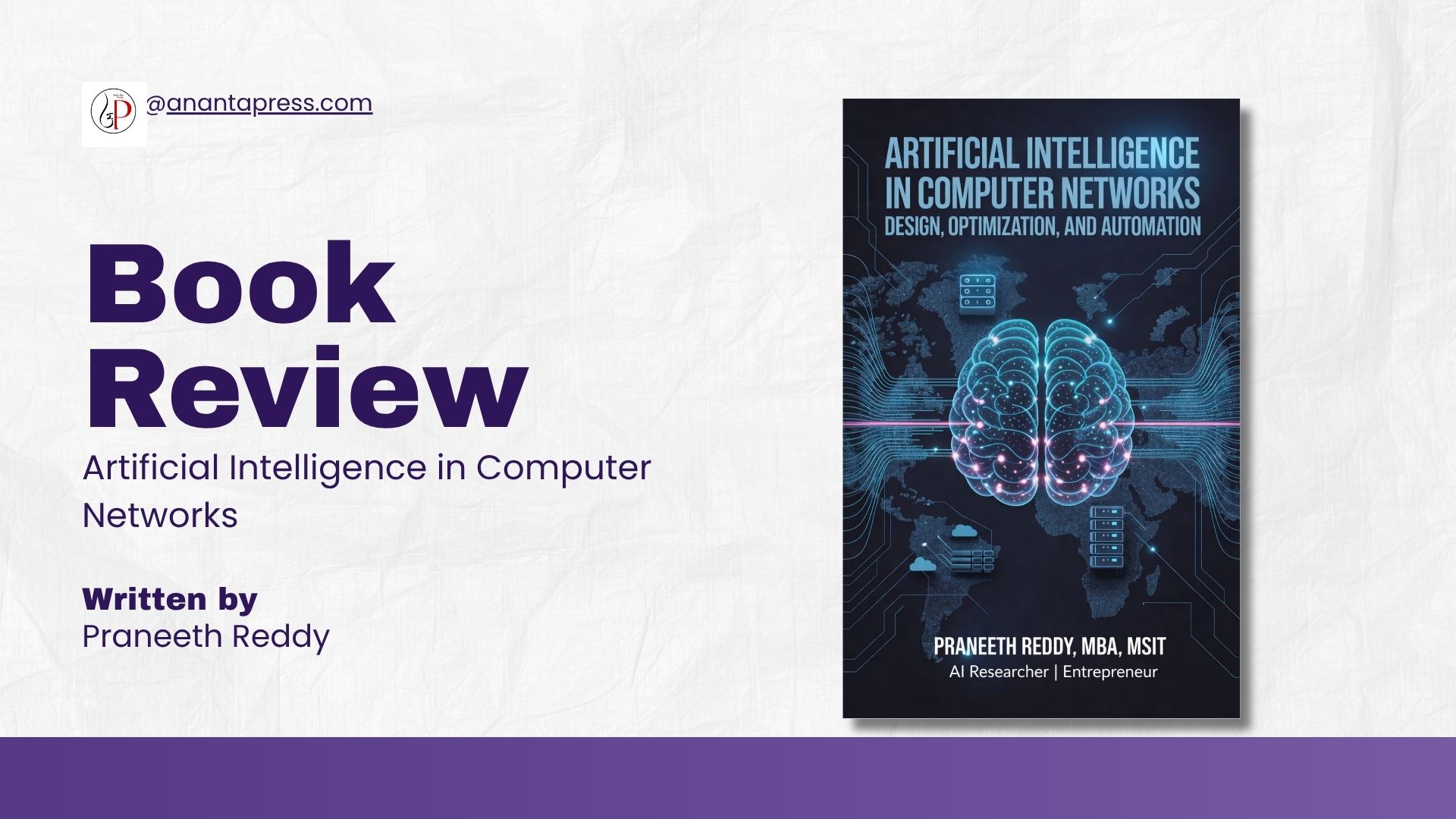
Artificial Intelligence in Computer Networks: Design, Optimization, and Automation presents a compelling exploration of how modern networks are evolving beyond traditional, human-managed systems into intelligent, self-sustaining infrastructures. The book begins with a bold premise: networks no longer simply fail—they learn, adapt, and heal. This idea captures the essence of a technological transformation driven by the growing scale and complexity of digital ecosystems.
Reimagining the Role of Networks
One of the book’s central strengths lies in its ability to redefine what a network is. No longer passive systems that require manual intervention, networks are portrayed as dynamic entities capable of predicting congestion, responding to failures in real time, and continuously optimizing their performance. This shift from reactive to proactive infrastructure reflects the increasing integration of Artificial Intelligence into core network operations.
Bridging Theory and Real-World Applications
The book strikes a strong balance between theoretical foundations and practical implementation. It covers essential topics such as machine learning for traffic analysis, AI-driven topology design, intelligent fault detection, and autonomous network management. Rather than remaining abstract, these concepts are tied to real-world systems currently shaping industries like cloud computing, autonomous vehicles, and financial technologies. This connection makes the content both relevant and forward-looking.
Accessibility and Technical Depth
Despite addressing complex subjects, the book is described as both rigorous and accessible. It appears to cater to a broad audience—ranging from students and researchers to professionals in networking and AI. The explanations are likely structured in a way that builds understanding progressively, allowing readers to grasp advanced ideas without feeling overwhelmed.
The Vision of Self-Designing Networks
A particularly intriguing aspect of the book is its focus on the future of self-designing networks. This concept pushes beyond automation into a realm where systems can independently evolve, optimize, and restructure themselves. It reflects a future where human intervention is minimal, and networks operate with a high degree of autonomy—an idea that is both exciting and transformative.
Relevance in a Rapidly Evolving Digital World
In today’s environment, where billions of devices are interconnected and data flows at unprecedented speeds, traditional network management methods are becoming obsolete. The book effectively highlights this reality and positions AI as not just a tool, but a necessity for managing modern digital infrastructure. Its relevance spans multiple sectors, making it an important resource for understanding the future of technology.
Conclusion: A Forward-Looking Guide to Intelligent Infrastructure
In conclusion, Artificial Intelligence in Computer Networks is a timely and insightful work that captures the evolution of networking in the age of AI. It successfully combines conceptual clarity with practical relevance, offering readers a comprehensive understanding of how intelligent systems are reshaping digital infrastructure. For anyone interested in the intersection of networking and artificial intelligence, this book serves as both a guide and a glimpse into the future—where networks are no longer managed, but intelligently self-driven.