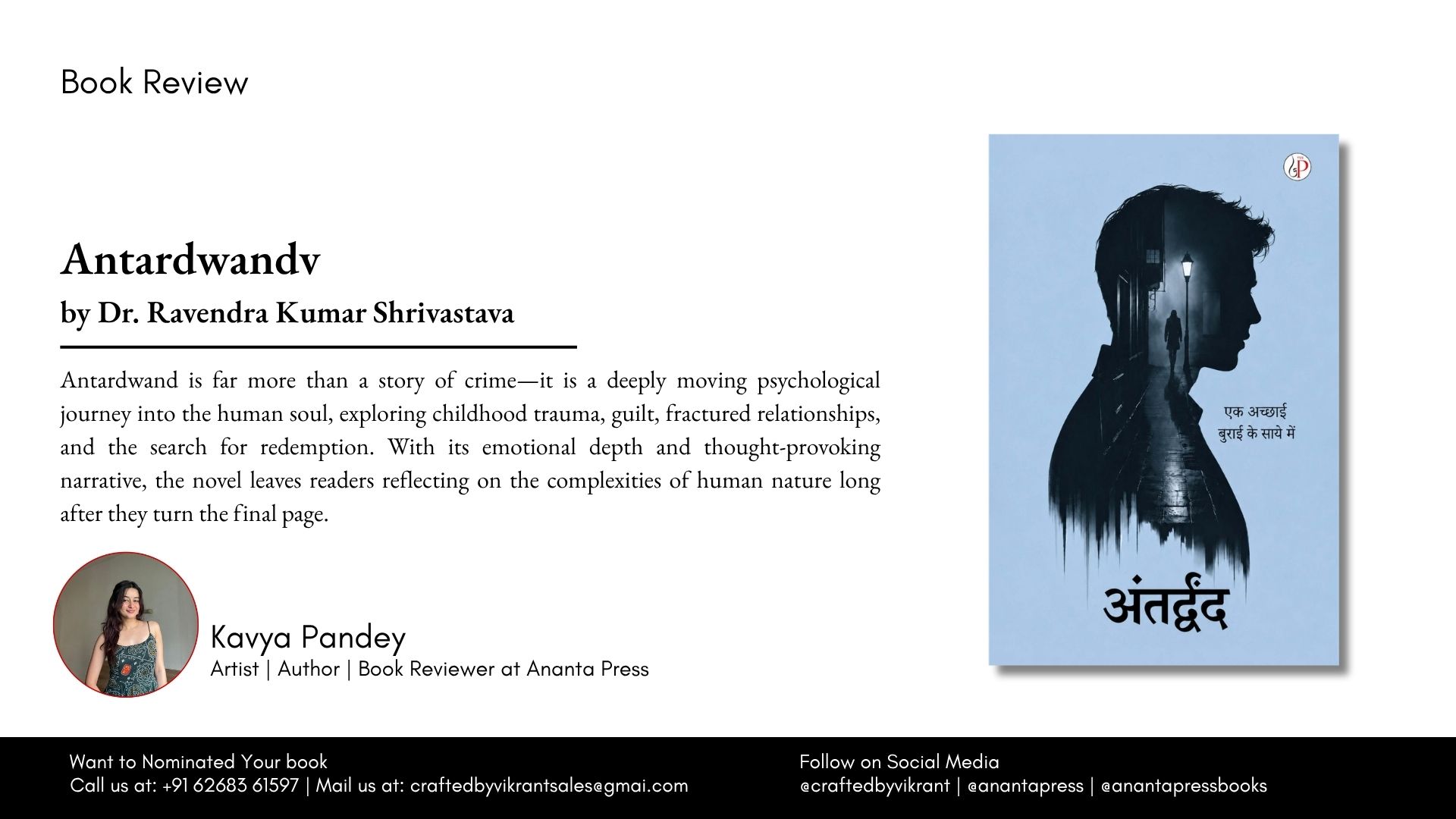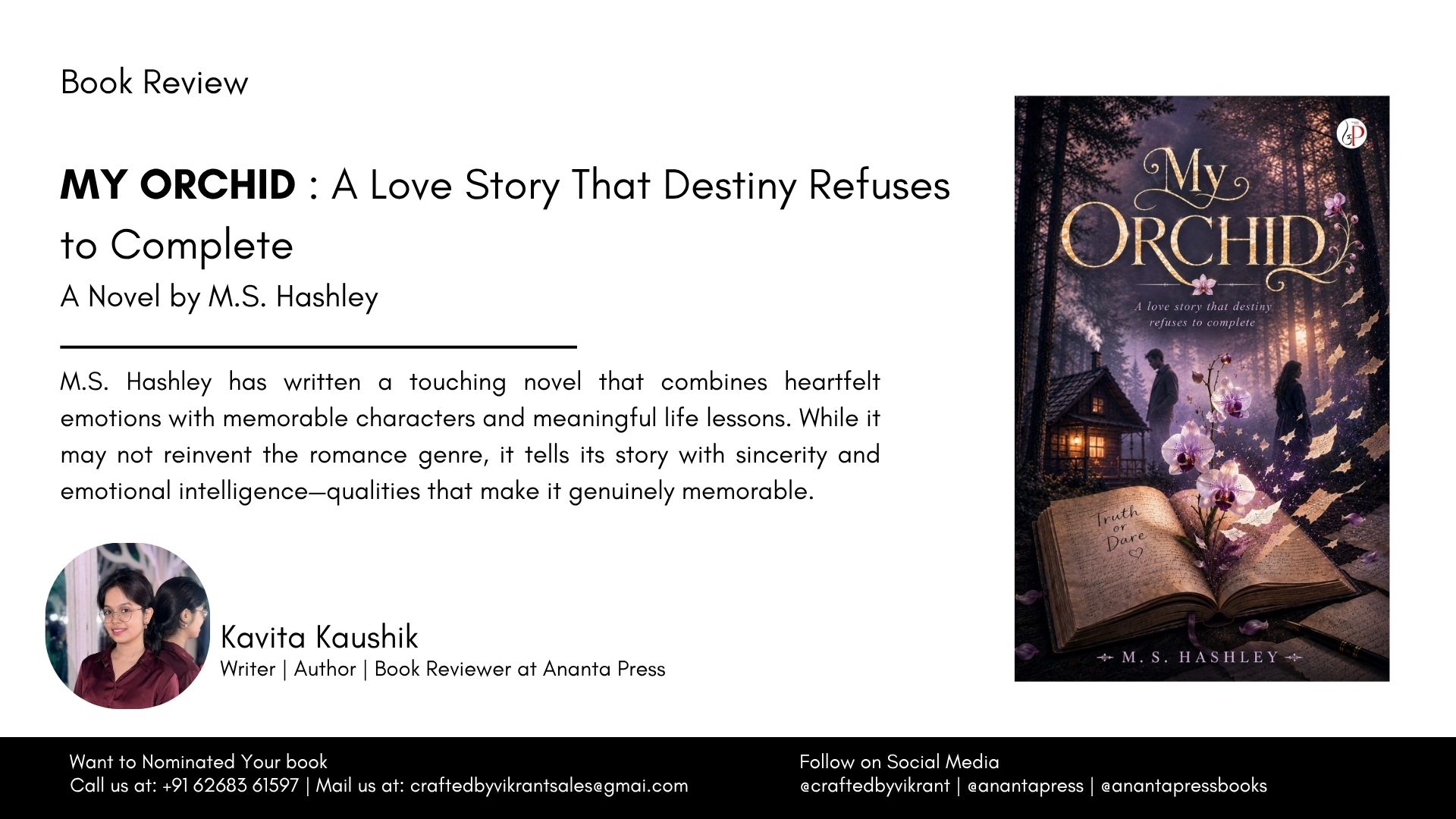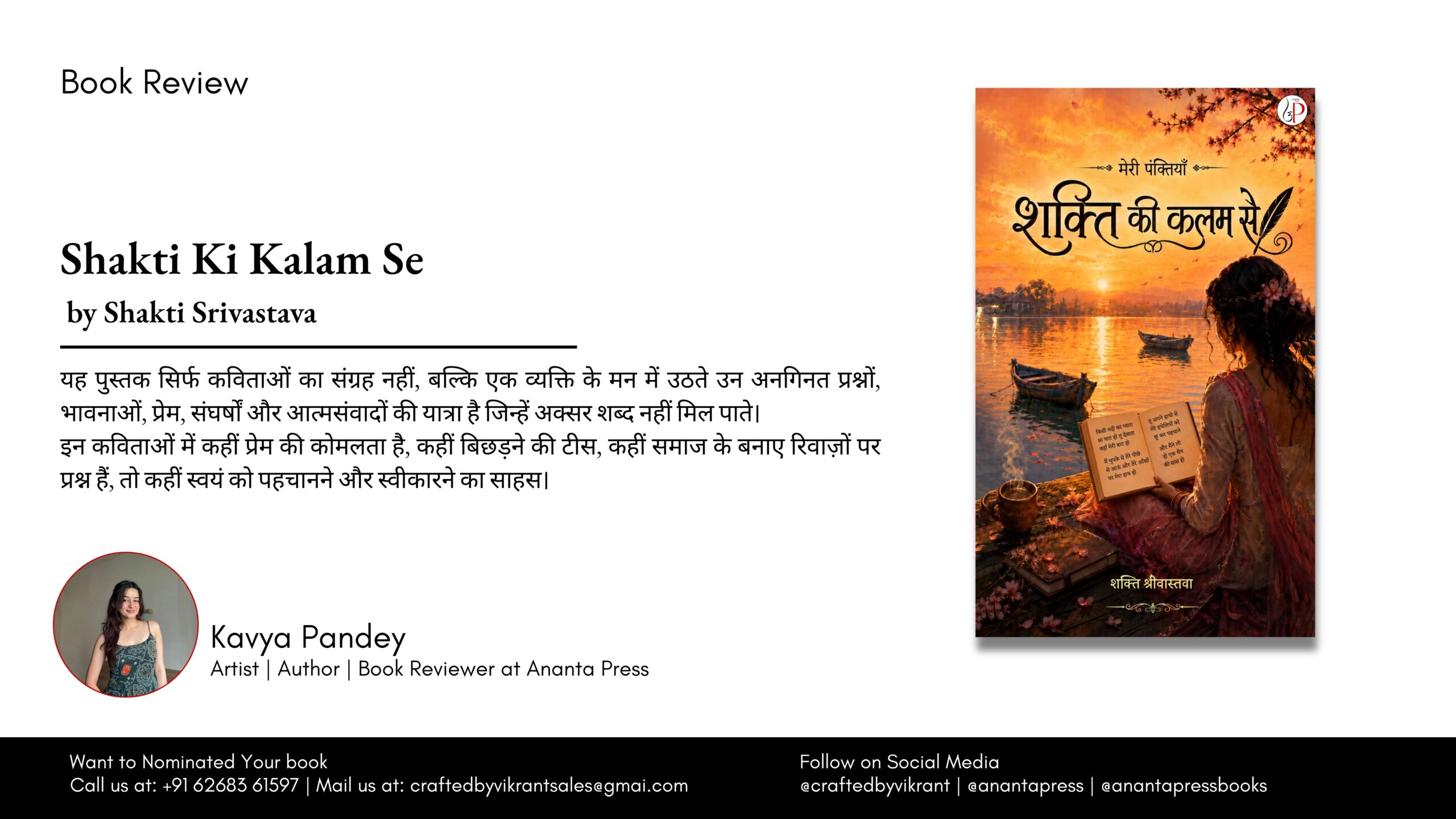
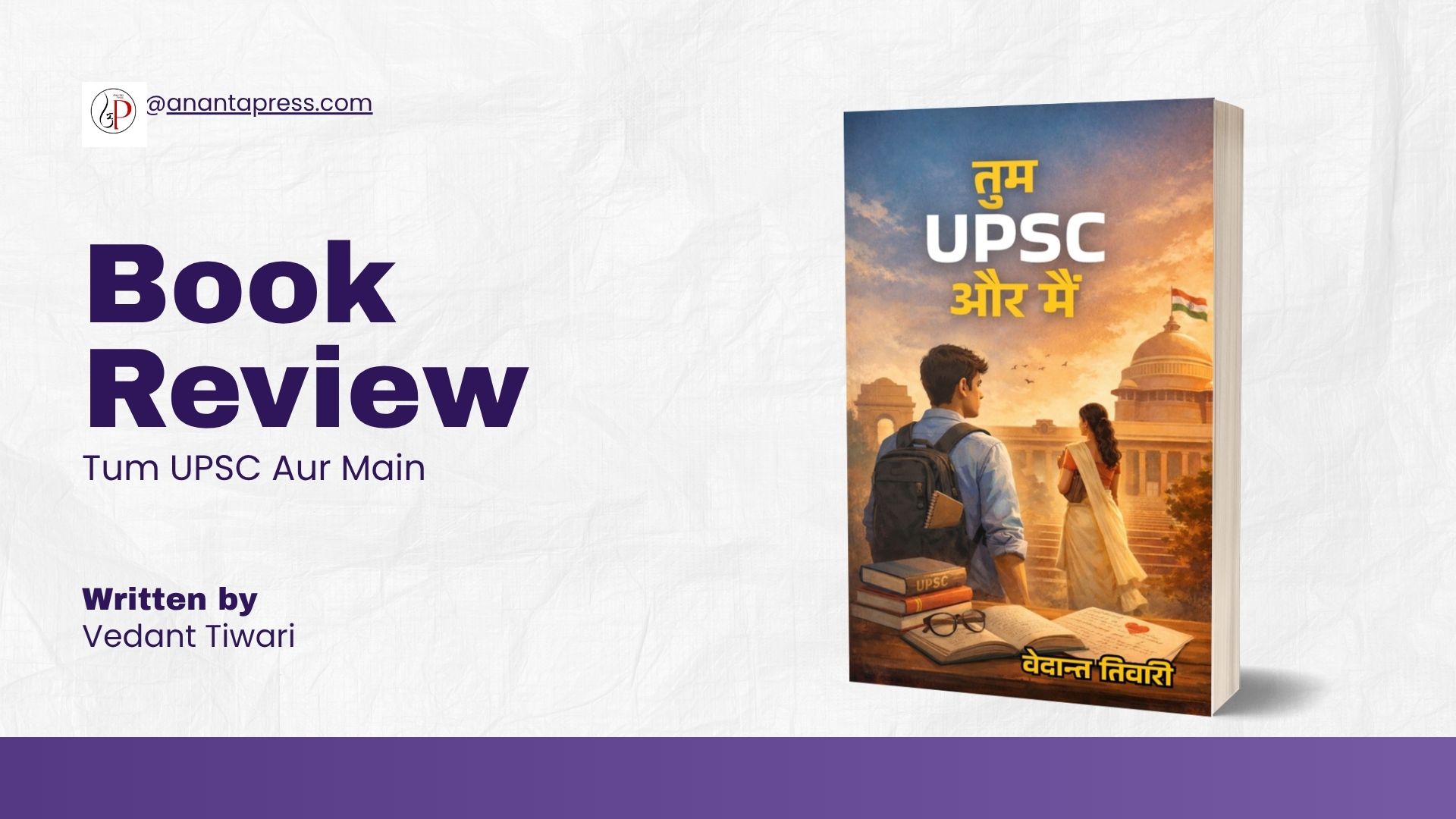
“Tum UPSC Aur Main” is not just a collection of poems or a simple narrative—it is an emotional journey that captures the inner world of a UPSC aspirant caught between ambition and love. Written by Vedant Tiwari, the book delicately blends poetry with storytelling, presenting a deeply relatable account of struggle, heartbreak, resilience, and self-discovery.
At its core, the book explores the life of a young man preparing for one of India’s toughest examinations—the UPSC. However, rather than focusing on strategies or academic guidance, the author dives into the psychological and emotional realities of the journey. Through simple yet impactful language, the narrative reflects the silent battles faced by countless aspirants: fear of failure, societal pressure, loneliness, and the constant questioning of self-worth.
One of the most compelling aspects of the book is its dual theme—ambition versus emotion. The protagonist is not only chasing a prestigious career but is also entangled in an incomplete love story. This emotional conflict adds depth to the narrative, making it more than just a story about exams. The love portrayed here is subtle, unexpressed, and ultimately unfulfilled, which mirrors the sacrifices many aspirants make in pursuit of their goals. The title itself symbolizes this divide—“You became UPSC, and I remained behind.”
The writing style is simple, poetic, and highly evocative. Each chapter feels like a snapshot of a moment—sometimes a memory, sometimes a realization. The use of short poetic verses makes the reading experience immersive and emotionally engaging. The author does not rely on complex vocabulary; instead, he uses everyday language to create a strong emotional impact. This simplicity ensures that the story resonates with a wide audience, especially students and young readers.
Another strength of the book is its realism. It does not romanticize success or glorify struggle unnecessarily. Instead, it presents an honest portrayal of failure, repeated attempts, and the emotional toll of chasing a dream that may or may not materialize. The protagonist’s journey—from hope to heartbreak, from failure to resilience—feels authentic and grounded.
The book also subtly comments on societal expectations and systemic challenges. It raises questions about merit, fairness, and the unseen factors that influence success. Without being overly critical, it encourages readers to reflect on the broader realities of competitive exams and life itself.
Perhaps the most powerful message of the book lies in its conclusion: life is not defined solely by success or failure. Even when dreams remain incomplete and love remains unfulfilled, the journey shapes one’s identity. The protagonist may not achieve everything he set out for, but he gains something equally important—self-awareness and inner strength.
In conclusion, “Tum UPSC Aur Main” is a heartfelt and thought-provoking read. It is ideal for UPSC aspirants, students, and anyone who has ever struggled between following their dreams and managing their emotions. The book reminds us that sometimes, the most important victories are not visible to the world but are felt within.