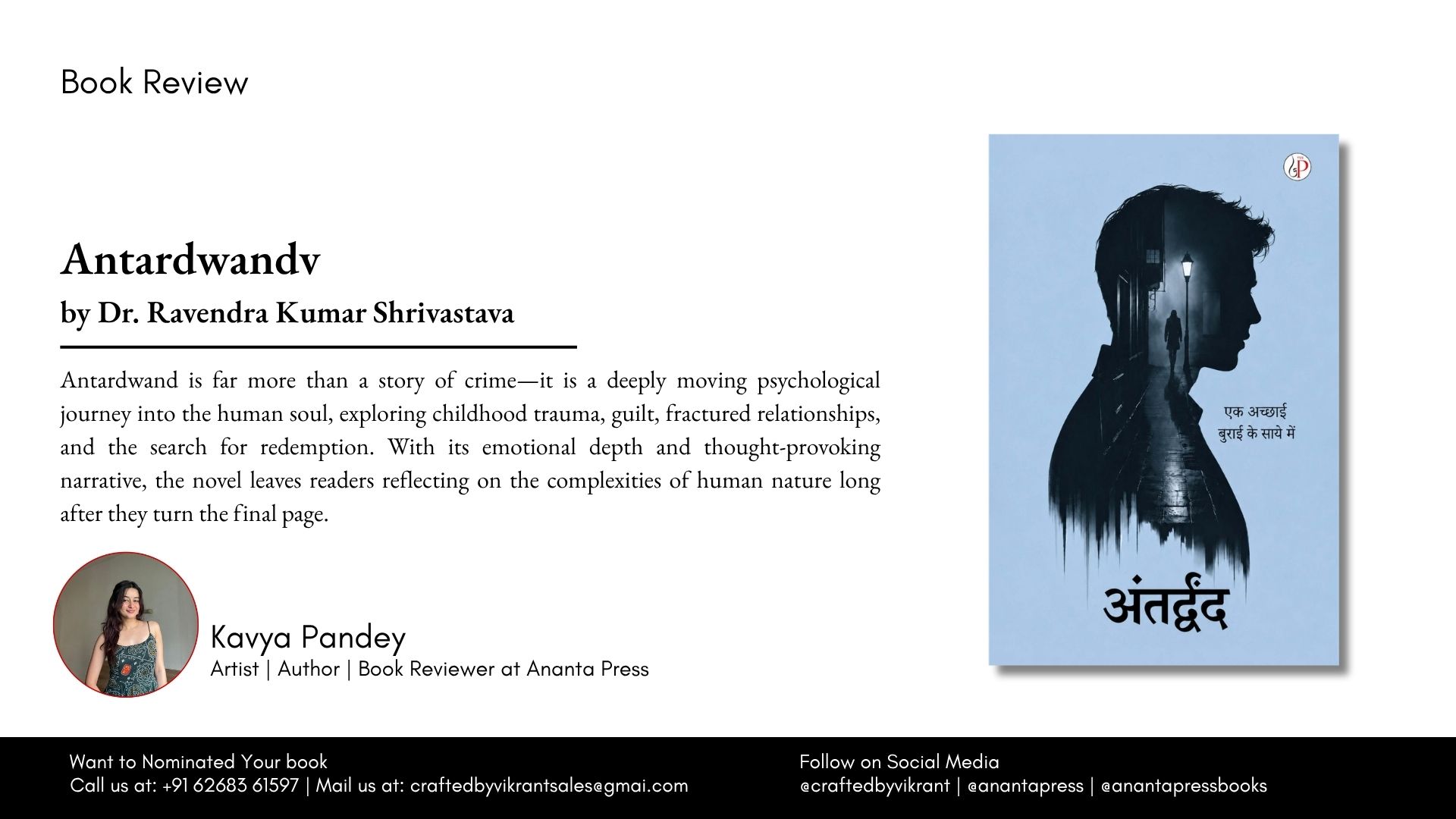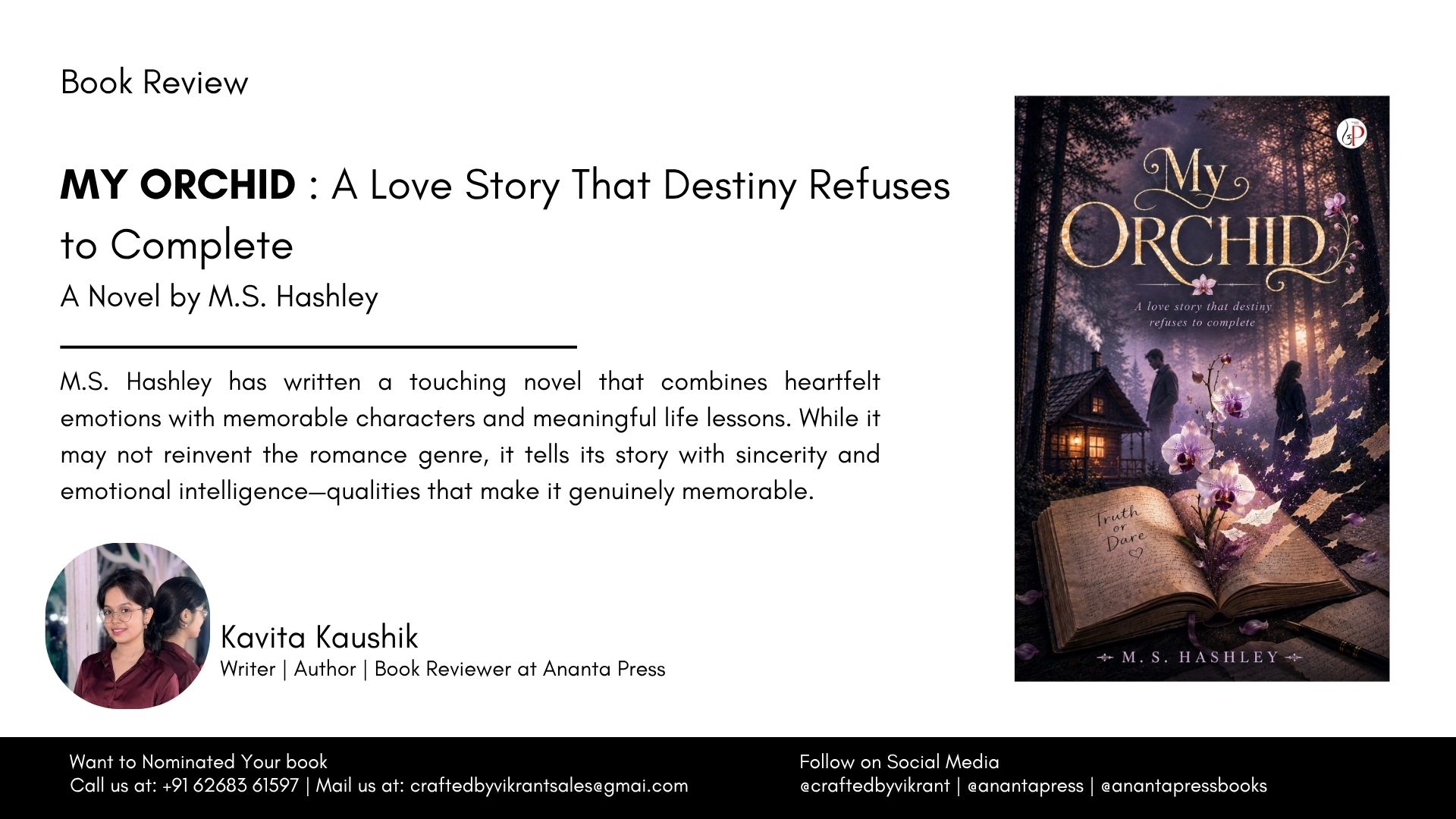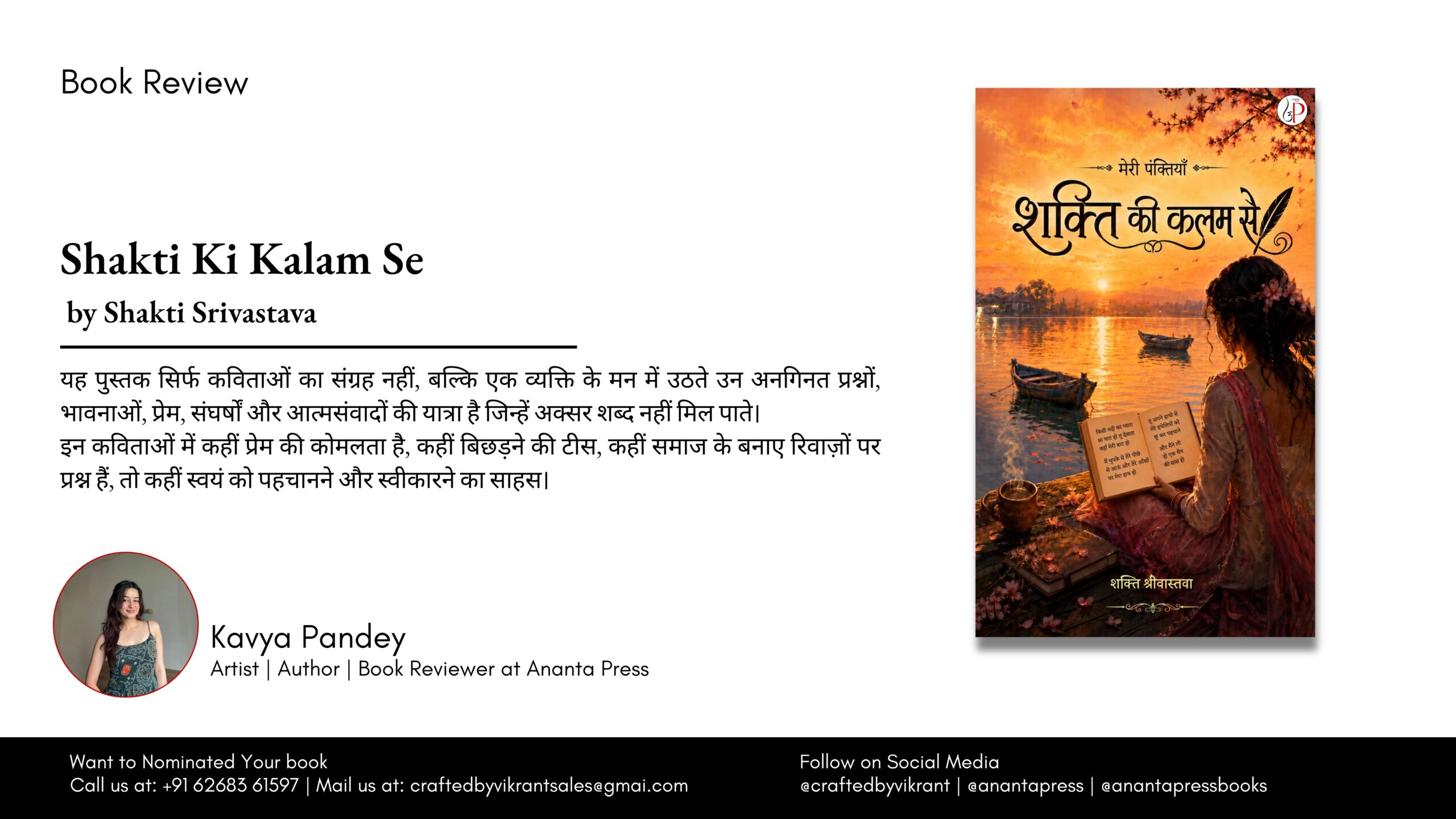
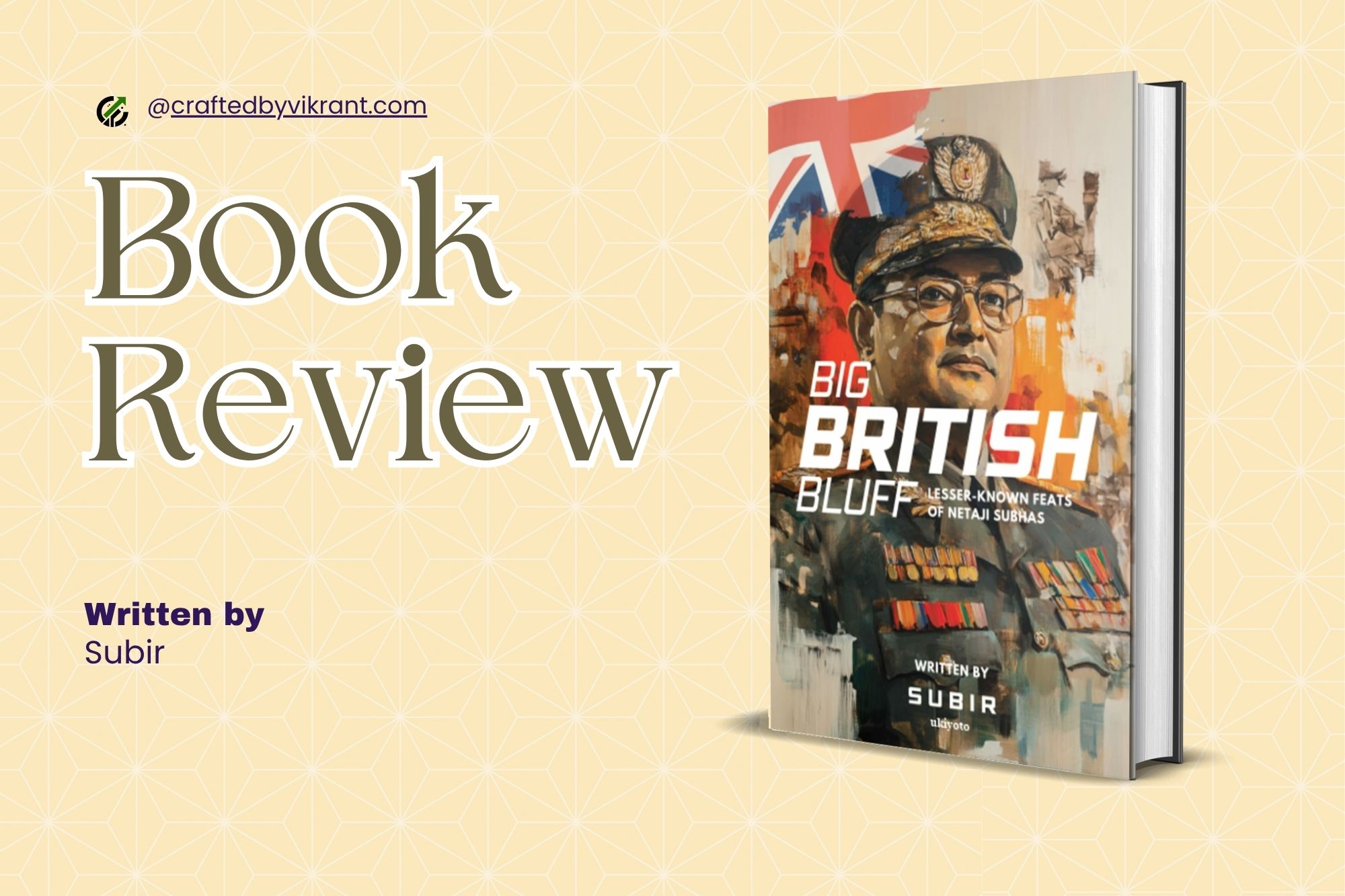
History is rarely just a record of facts. More often, it is a battleground of narratives—some preserved, some erased, and some deliberately rewritten. The book Body (as presented in the uploaded manuscript) enters this contested terrain with a bold mission: to challenge the mainstream understanding of India’s freedom struggle and restore the overlooked role of Subhas Chandra Bose and the Indian National Army in the North-East theatre during the Second World War.
From its opening chapter, “Busting the Myth,” the book makes its intention unmistakably clear. It argues that the popular framing of the INA’s military movement into India as merely a “Japanese invasion” is historically incomplete—and politically convenient. Instead, the author presents it as an armed liberation campaign, rooted in Indian nationalism and supported by local communities in the North-East.
This is not a light read, nor is it written for casual consumption. It is dense, argumentative, and deeply invested in historical correction. But that is also what makes it compelling.
A Different Lens on the Freedom Struggle
Most Indians grow up learning about the independence movement through familiar pillars: Mahatma Gandhi, non-violence, civil disobedience, the Quit India movement, and constitutional negotiations. Bose’s role is acknowledged, but often framed as secondary—or controversial.
This book pushes against that framework.
Its strongest contribution lies in shifting the geographical and ideological center of the freedom struggle. Rather than Delhi, Kolkata, or Bombay, the story begins in Ruzazho village in Nagaland, which the author identifies as the first Indian village liberated from British rule by Bose-led INA forces in 1944. The vivid recounting of Bose appointing local administrators, interpreters, and village heads creates a striking image of an alternative government-in-action—not just an army passing through.
This matters because it transforms the INA from symbol into statecraft.
The author’s argument is simple but powerful: if Bose’s provisional government administered territory on Indian soil, then it deserves a larger place in India’s political memory.
The Strength of Oral History
One of the book’s most interesting methodological choices is its reliance on oral traditions, especially among Naga communities. In mainstream academic history, oral testimonies are often treated with caution. Here, they are central.
The book explains how communities in Nagaland historically preserved events through spoken memory rather than written documentation. The author uses this tradition to reconstruct Bose’s presence, his interactions with villagers, and their support for INA soldiers.
This is both the book’s strength and its challenge.
On one hand, oral histories humanize history. They recover emotion, memory, and local agency. On the other hand, they raise inevitable questions about reliability and historical verification.
To the author’s credit, the narrative does not rely solely on oral testimony. It supplements these accounts with newspaper references, military history, memoirs, and scholarly commentary. That layered approach gives the argument more credibility.
Netaji as a Human Figure
What stands out in the book is how Bose is portrayed—not as a distant icon, but as a present, active, charismatic leader.
There are small but revealing details: his conversation with villagers, his insistence on sharing the same food as his soldiers, his gratitude toward tribal communities helping the INA. These moments build a picture of leadership rooted in discipline and equality.
For readers used to the larger-than-life image of Netaji, this humanization is refreshing.
It also helps explain why Bose inspired such loyalty.
The book repeatedly reminds us that Bose’s appeal was not abstract patriotism. It was personal. He spoke directly to people. He delegated authority. He involved civilians in the freedom struggle.
That participatory politics feels strikingly modern.
Reframing the Battle of Kohima
The chapters on the Battle of Kohima are among the strongest in the manuscript.
Traditionally remembered as one of Britain’s greatest military victories in World War II, Kohima is usually narrated from the Allied perspective.
This book asks: what about the INA side?
It highlights the military coordination between Japanese and INA forces, emphasizing that the INA was not merely symbolic support but actively engaged in frontline combat. The author strongly rejects the British portrayal of the INA as “puppet soldiers” or logistical auxiliaries.
This revisionist framing is persuasive because it points to a genuine gap in mainstream war histories.
The battle becomes more than a military conflict; it becomes a tragic civil fracture—Indian soldiers in British uniform fighting Indian soldiers in the INA.
That emotional dimension is one of the book’s most powerful insights.
A Fierce Critique of Churchill and British Propaganda
The author does not hide ideological positions.
One recurring thread is the critique of Winston Churchill and British wartime propaganda. The book accuses British authorities of systematically misrepresenting Bose, the INA, and Japanese involvement to prevent mass Indian support for the liberation movement.
This argument is compelling in parts, especially where the author contrasts official British narratives with local testimonies and Indian historical accounts.
The critique of Churchill’s Bengal famine policies also connects the war narrative to the wider violence of empire.
However, at times the book risks becoming overly prosecutorial. Historical analysis works best when it leaves room for complexity. Here, Churchill often appears less as a historical actor and more as a singular villain.
The anger is understandable—but occasionally oversimplifies.
The Japan Question
Perhaps the most controversial dimension of Bose’s legacy is his alliance with Imperial Japan.
The book handles this issue with surprising nuance.
Rather than ignoring Japanese imperialism, the author argues that Bose treated the alliance pragmatically—a temporary partnership against British rule. The book repeatedly emphasizes that Bose insisted on INA autonomy, separate laws, independent currency, and exclusive Indian administration over liberated territories.
This is an important intervention.
It challenges the lazy assumption that anti-colonial alliances automatically implied ideological agreement.
The book’s position is essentially realist: colonized nations sometimes ally with problematic powers to achieve freedom.
Readers may disagree, but the argument is intellectually serious.
Writing Style: Passion Over Precision
Stylistically, the book feels less like academic history and more like political-historical advocacy.
That has advantages.
The prose is energetic, emotionally charged, and accessible. The author clearly cares deeply about the subject, and that passion makes the book engaging.
But it also has drawbacks.
The narrative occasionally becomes repetitive. Certain points—British propaganda, INA bravery, Bose’s foresight—are revisited multiple times.
A tighter editorial hand would have strengthened the flow.
Some chapters could also benefit from sharper structure. Transitions between battlefield history, political commentary, and moral judgment sometimes feel abrupt.
Still, the emotional force of the writing carries it forward.
Why This Book Matters Today
What makes this book significant is not just what it says about the past, but what it asks of the present.
Who gets remembered in national history?
Why are some sacrifices institutionalized while others are marginalized?
Why does North-East India remain peripheral in mainstream nationalist storytelling?
These questions give the book contemporary relevance.
At a time when historical memory is being revisited across India, this manuscript adds an important regional perspective.
It reminds readers that the freedom struggle was not confined to urban protests or elite negotiations. It was also fought in forests, villages, hills, and battlefields—often by people whose names never entered textbooks.
That democratization of memory is the book’s greatest achievement.
Final Verdict
Body is an ambitious, politically charged, and deeply researched historical intervention.
It is not neutral history—and it does not pretend to be.
Instead, it is a corrective history: one determined to reclaim forgotten geographies, overlooked communities, and neglected military struggles from the margins of India’s national story.
Its strongest strengths are:
Recovering the North-East’s role in India’s freedom struggle
Humanizing Bose beyond symbolism
Challenging colonial historical narratives
Highlighting the lived reality of INA-administered territories
Its weaknesses are:
Occasional repetition
Strong ideological leaning
Limited engagement with counterarguments
Yet these flaws do not diminish its importance.
Books like this are valuable not because they settle history, but because they reopen it.
And in reopening it, they force readers to confront an uncomfortable truth: history is never final. It is always being written, revised, and fought over.
For readers interested in Bose, the INA, World War II in India, or the hidden history of the North-East, this book is absolutely worth reading.
Rating: 5/5
Not because it is perfect—but because it is necessary.